Durable & Eco-Friendly Yellow Mailing Bags for Secure Deliveries | Liya Biobag
Yellow Mailing Bags: The Unsung Heroes of Logistics and Safety
Across the globe, the humble yellow mailing bag quietly shapes how businesses and organizations ship items safely and efficiently. You might overlook it at first glance — just a simple colored envelope, right? But these bright yellow mailers are more than stationery accessories; they are vital tools that contribute to secure delivery chains, sustainability efforts, and even crisis response worldwide.
Understanding yellow mailing bags means dissecting how something that looks so ordinary plays a crucial role in industries ranging from e-commerce to humanitarian aid. So buckle up—we’re about to dive into why these bags matter globally, exploring their design, uses, challenges, and future trends, with some real-world context thrown in.
Global Context: Why Yellow Mailing Bags Matter
Did you know that e-commerce shipments reached over 100 billion parcels globally in 2023? According to the UN’s statistics, this surge fuels demand for reliable, efficient, and affordable packaging solutions worldwide. Yellow mailing bags have a surprisingly important role here. Their bright color boosts visibility during sorting and transit, reducing the risk of parcels being misplaced or lost.
Moreover, these bags are commonly used by NGOs operating in complex environments — think disaster zones or remote communities — where durability and quick deployment of supplies matter. The need to protect contents while signaling priority or special handling makes yellow mailing bags a familiar item beyond just retailers.
Yet this sector faces a challenge: balancing cost, sustainability, and functionality. Many mailing solutions rely heavily on plastics, which brings environmental concerns. So manufacturers and users alike wrestle with innovation here, trying to maintain reliability while reducing waste.
What Exactly Are Yellow Mailing Bags?
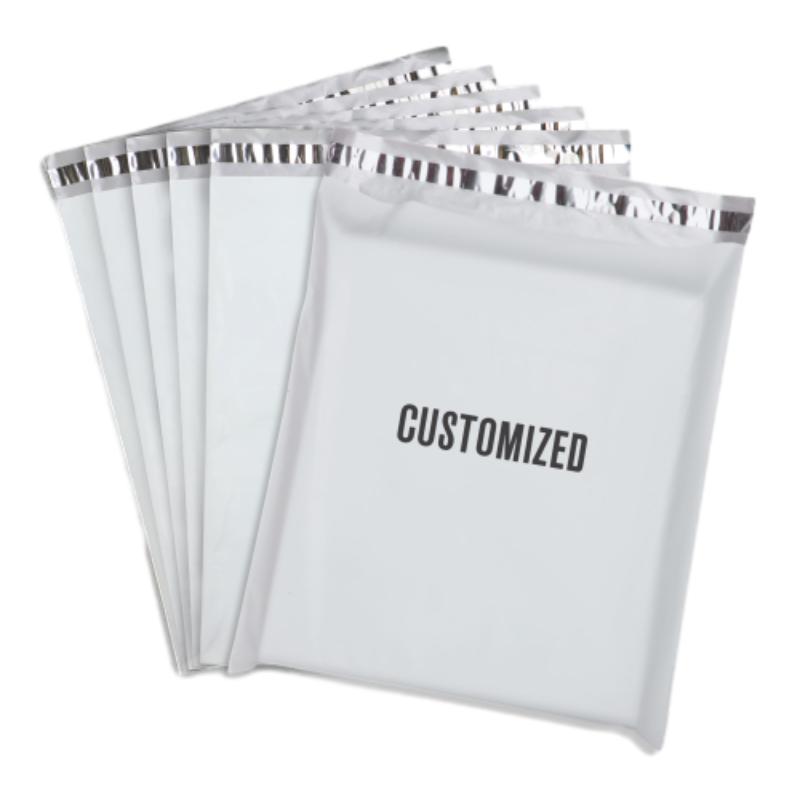
Simply put, yellow mailing bags are lightweight, flexible envelopes commonly made from polyethylene or recycled plastic materials. They’re designed to protect contents — whether documents, clothing, electronics, or vital supplies — while being easy to seal, label, and transport. Yellow mailing bags often feature tamper-evident seals, meaning that if someone tries to open them en route, there’s clear indication.
Why yellow, you ask? The color is no accident. Yellow is highly visible in sorting facilities and mail trucks, ensuring grab-and-go identification when speed matters. In humanitarian contexts, these bags may denote priority shipments or sensitive items. Essentially, they serve as both a functional and visual cue in logistics workflows.
Key Characteristics Defining Quality Yellow Mailing Bags
1. Durability
From a materials scientist's perspective, the strength of these bags lies in multi-layer polymer blends that resist tearing and moisture. I’ve seen shipments arriving in rainy regions unscathed thanks to puncture-resistant yellow mailing bags. That kind of quality can prevent costly product damage and maintain customer trust.
2. Tamper Evidence & Security
Some yellow mailing bags feature peel-and-seal strips or VOID labels that reveal tampering attempts at a glance. This is a huge plus when shipping sensitive documents or high-value items, improving security without complex gadgets.
3. Cost Efficiency
Because they’re produced en masse, yellow mailing bags are generally affordable, especially when bought in bulk. They balance protection with economy—a key factor for SMEs and large distributors alike.
4. Visibility & Branding
The bright yellow hue is not just practical; many businesses choose custom printing on these bags to reinforce brand identity. Oddly enough, the yellow mailer doubles as a marketing touchpoint turned logistics enabler.
5. Eco-Friendliness & Recyclability
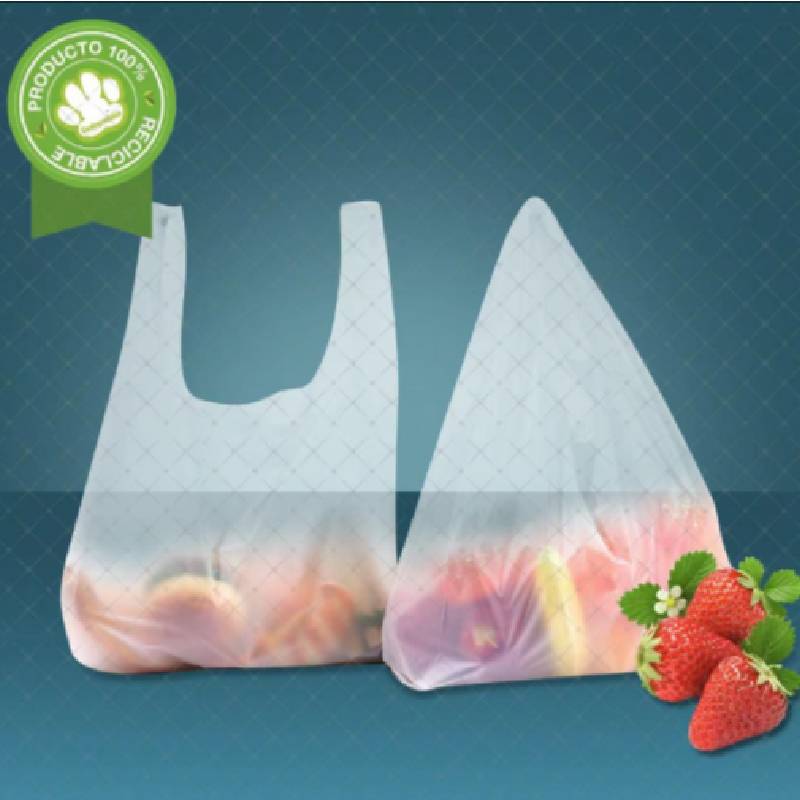
Here’s where things get interesting. Many modern yellow mailing bags now promise recyclability or are made from biodegradable materials. This shift aligns with ISO environmental standards and customer demands for greener shipments.
Where Do Yellow Mailing Bags Make The Biggest Impact?
Let’s talk applications. In e-commerce hubs like the US, EU, and Asia-Pacific, yellow mailing bags are standard for shipping small to medium parcels, especially clothing and lightweight electronics. Their protective yet flexible nature makes them perfect for fluctuating parcel sizes.
In humanitarian and disaster relief settings, NGOs depend on these mailers for fast deployment of supplies. For example, during the 2020 Southeast Asia floods, yellow mailing bags were used to deliver essential communications equipment and health kits, where their visibility helped prioritize sorting under chaotic conditions.
Some industrial zones and government agencies use yellow mailing bags to transport sensitive documents securely—just one more reminder of their adaptability.
Product Specifications: Typical Yellow Mailing Bags
| Specification | Typical Feature |
|---|---|
| Material | High-density polyethylene (HDPE), Recycled polymers |
| Thickness | 40 - 80 microns |
| Sealing Type | Self-adhesive peel and seal, Tamper-evident strips |
| Size Range | 200 x 300 mm up to 400 x 600 mm |
| Color | Bright yellow (Pantone 116C) |
| Recyclability | Varies — up to 90% recyclable with certain grades |
Choosing Your Yellow Mailing Bag Vendor: A Quick Comparison
| Vendor | Material Quality | Customization Options | Eco-Friendly Options | Bulk Pricing |
|---|---|---|---|---|
| Liya Bio Bag | Recycled polymers & biodegradable blends | Full color print & sizing available | Yes, certified biodegradable products | Competitive, tiered discounts |
| GlobalPack Solutions | Standard HDPE | Limited to logo & size | No | Fair but less flexible |
| EcoWrap Packaging | Bioplastics and recycled blends | Moderate, with environmental themes | Yes, full certifications | Premium pricing |
Benefits and Long-Term Value of Yellow Mailing Bags
Cost-wise, these bags often outshine traditional cardboard boxes for lightweight parcels, reducing shipping weight and volume. Beyond economics, they enhance parcel security with tamper-evident seals and protect against moisture — crucial for valuable products.
In social terms, their use in humanitarian shipments underlines a commitment to safety and dignity. Shelters or medical kits delivered in these bags arrive intact and are easily identified for priority handling. There’s an emotional reassurance in knowing your parcel’s path is safeguarded, isn’t there?
Environmental benefits increasingly shape choice, too. Switching to recyclable or biodegradable yellow mailing bags reduces plastic waste in landfills and oceans—a small step towards a greener logistics industry.
What’s Next? Future Trends in Yellow Mailing Bags
Many engineers and material experts are tinkering with bio-based polymers to make mailing bags fully compostable. Additives that resist odor or UV light damage are emerging, broadening applications. Digital printing techniques allow personalized messaging without excess ink or waste — a neat sustainability win.
Plus, some packaging firms explore embedded QR codes on yellow mailers for supply chain transparency. Imagine scanning your mailer to instantly track its journey, or verify authenticity. Frankly, the future feels surprisingly connected.
Common Challenges and How They’re Being Tackled
One consistent limbo is balancing durability with biodegradability; sometimes going green compromises strength. But additive research and new polymer blends are closing that gap swiftly.
Another friction point is cost sensitivity, especially for small businesses. Manufacturers like Liya Bio Bag are addressing this with tiered pricing and versatile product lines tailored to various budgets.
FAQ: Your Questions About Yellow Mailing Bags
- Q: Are yellow mailing bags suitable for international shipping?
A: Absolutely. Their durability, tamper-evident features, and visibility make them ideal for global parcels. However, check specific postal regulations regarding materials in your destination country. - Q: Can I customize yellow mailing bags with my brand logo?
A: Yes! Most vendors offer printing options ranging from simple logos to full-color branding. Customization helps reinforce your brand while keeping shipments secure. - Q: Are eco-friendly yellow mailing bags as durable as standard ones?
A: Modern biodegradable and recycled bags come very close in performance, with thickness and multi-layer designs compensating for material differences. Always check product specs before ordering. - Q: How do I dispose of yellow mailing bags responsibly?
A: If made from recyclable materials, clean and flatten the bags for local recycling programs. Compostable bags should be disposed of in appropriate organic waste systems.
Final Thoughts: Why Yellow Mailing Bags Still Matter
Yellow mailing bags might not spark excitement at first glance — but their role in connecting businesses, protecting goods, and supporting humanitarian work is undeniable. They are simple solutions that pack a big punch in reliability, cost-efficiency, and increasingly, sustainability.
Next time you spot one in the mail stream, you might just appreciate the thoughtful engineering behind it. To explore quality, eco-friendly yellow mailing bags for your logistics needs, check out yellow mailing bags — where innovation meets practicality.
Sometimes it’s the simplest things that keep the world turning smoothly...
References
-
Secure Shipping Guide with Poly Mailer Bubble Wrap SolutionsNewsApr.16,2026
-
Secure Shipping Guide for Using Durable Bubble Parcel BagsNewsApr.09,2026
-
Comprehensive Guide to Poly Mailer Bubble for Secure and Efficient ShippingNewsApr.07,2026
-
Elevate Your Brand with Custom Designer Bubble Mailers for Effective PackagingNewsApr.04,2026
-
Comprehensive Guide to Poly Mailers with Bubble Wrap for Secure ShippingNewsMar.31,2026
-
Comprehensive Guide to Large Bubble Poly Mailers for Secure and Efficient ShippingNewsMar.28,2026
-
Have the freedom of customizing your custom mailers any way you want! Our dedicated packaging support will help deliver you the mailing experience you need to elevate your shipping experience to the next level! Start making a strong impression on your customers and stand out from your competitors! -
LIYA uses high quality raw materials which directly purchased from large enterprises domestic and overseas such as PetroChina, Sinopec, Sabic, Equate, ExxonMobil, Dow Chemical, Total, and Borouge, ensuring the price advantage and quality of the raw materials. -
LIYA uses high quality raw materials which directly purchased from large enterprises domestic and overseas such as PetroChina, Sinopec, Sabic, Equate, ExxonMobil, Dow Chemical, Total, and Borouge, ensuring the price advantage and quality of the raw materials.
 English
  Arabic
  China
China  French
  Korean
  Russian
  Spanish