Durable & Sustainable Polyester Shipping Bags for Global Logistics | Liyabiobag
Understanding Polyester Shipping Bags: Why They Matter Globally
Polyester shipping bags might not be headline news, but they quietly play a massive role in global trade, humanitarian aid, and logistics. They offer a surprisingly elegant solution to the ongoing challenges of securing and transporting goods — from electronics to food, clothing to medical supplies — across continents and often under tough conditions. Grasping what polyester shipping bags are all about means tapping into a world of durability, cost-efficiency, and environmental promise. Their importance continues to grow as global supply chains expand and sustainability becomes a pressing issue.
Mini takeaway: Polyester shipping bags are a quietly crucial component of modern shipping and aid industries, blending strength and sustainability on a global scale.
The Global Context: Why Polyester Shipping Bags Are Gaining Momentum
In 2023, global trade volumes hit staggering numbers, with containerized freight accounting for roughly 60% of global merchandise (UNCTAD, 2023). The demands on packaging and protective shipping materials have never been higher. Polyester shipping bags come in here as an innovation responding to those challenges. According to ISO standards, safe and reusable packaging solutions reduce waste and improve logistics efficiency.
However, the traditional reliance on cardboard or paper-based packaging is problematic — especially with moisture, tearing, or contamination risks. Polyester bags are weather-resistant, reusable, lightweight, and far less prone to damage. For humanitarian organizations, often shipping fragile medical or relief supplies, this means fewer losses and faster deliveries in disaster-stricken regions.
Global warming and erratic weather patterns make durable packaging that much more critical; sustainably sourced polyester with recyclable properties aligns well with worldwide environmental goals, including the UN’s Sustainable Development Goal 12 (Responsible Consumption and Production).
Mini takeaway: Polyester shipping bags address a significant global need for secure, durable, and sustainable packaging amidst exploding trade volumes and climate challenges.
What Exactly Are Polyester Shipping Bags?
Simply put, polyester shipping bags are flexible containers made primarily from synthetic polyester fibers woven together. They are designed to transport goods safely, minimizing damage and contamination. Unlike typical plastic bags, polyester bags offer superior tensile strength and tear resistance. They basically form the tough “skin” protecting contents during shipping.
Interestingly, they serve a dual purpose — both industrial and humanitarian. In the industrial world, they protect components and finished goods during transit. In humanitarian contexts, they’re used extensively to deliver food aid and medical supplies where rough handling or harsh climates could otherwise ruin packages.
Mini takeaway: Polyester shipping bags are robust, versatile, and essential containers made from synthetic fibers tailored for various shipping demands.
Key Factors To Know About Polyester Shipping Bags
1. Durability and Strength
One of the things that sets polyester bags apart is their impressive durability. Thanks to their tightly woven fibers, they don’t tear or puncture easily—making them perfect for repeated use or rough handling in shipping containers, trucks, or planes.
2. Water and Chemical Resistance
Polyester naturally resists water and many chemicals, which is vital. Imagine sending pharmaceutical supplies to tropical zones — your packaging can’t fall apart in the rain. This resistance safeguards both goods and handlers.
3. Cost Efficiency Over Time
While polyester bags might cost a bit more upfront than cardboard or plastic alternatives, their reusability and longevity pay off in the long run. Companies note fewer replacements, lower waste, and better value delivered.
4. Lightweight & Space-Saving Design
Moving away from bulky crates can reduce shipping fuel consumption. Polyester bags fold flat when empty, making storage and transport more efficient — an often overlooked but crucial advantage.
5. Environmental Impact
Though synthetic, polyester is recyclable and increasingly produced with recycled content in mind. This transition helps close the loop in packaging waste, a growing concern worldwide.
Mini takeaway: Polyester bags are strong, water-resistant, cost-effective, and increasingly eco-friendly — a rare combo that benefits shippers and the planet alike.
Applications and Use Cases Around the World
It’s always illuminating to see products in action. Polyester shipping bags support everything from remote mining operations in Australia to food distribution in sub-Saharan Africa. NGOs appreciate their resilience when delivering aid after earthquakes in Nepal or hurricanes in the Caribbean.
For example, polyester shipping bags are favored by logistics companies handling electronics in Southeast Asia, where temperature and humidity swings can be brutal. They keep items safe from moisture damage, which could otherwise wipe out weeks of supply chain effort.
Oddly enough, some manufacturers in Europe are now experimenting with odd-sized polyester bags customized to fit oddly shaped products — an innovation helping them reduce shipping space and costs simultaneously.
Mini takeaway: Polyester shipping bags prove their versatility across industries and regions — from industrial hubs to disaster zones.
The Advantages and Long-Term Value of Choosing Polyester Shipping Bags
- Reliability: Reducing breakage and contamination risks protects business reputation and trust.
- Sustainability: Their reusable nature aligns with global environmental commitments.
- Cost Savings: Lower replacement needs and reduced waste cut expenses over time.
- Social Impact: Aid organizations deliver help faster, preserving dignity and safety.
To me, these benefits come together not just in numbers but in real-world impacts — like a fragile shipment of vaccines saved from mold or a family in crisis receiving unharmed food supplies.
Looking Ahead: Future Trends in Polyester Shipping Bags
Technology and materials science keep pushing polyester bags forward. Some brands plan incorporation of biodegradable additives. Others are developing smart packaging — that is, polyester bags embedded with RFID tags and QR codes for optimized tracking and inventory management.
The trend toward “green logistics” means greater emphasis on recycled polyester feedstock and closed-loop manufacturing. Automation in packaging facilities increasingly customizes bag sizes on-demand — reducing material waste further.
Challenges and How the Industry Is Meeting Them
No solution is perfect. Polyester bags can suffer from degradation if exposed to UV light for prolonged periods, and initial production still relies on petrochemical feedstocks. Transportation stakeholders sometimes hesitate about recycling programs due to infrastructure gaps.
Industry leaders are tackling these issues with UV-resistant coatings, recycling initiatives powered by local governments, and transitioning to bio-based polyester alternatives. It’s about incremental improvement — the sort of thing engineers debate long into the night.
FAQ: Common Questions About Polyester Shipping Bags
- Q: Are polyester shipping bags waterproof?
- A: They are highly water-resistant, protecting contents from rain and moisture. However, they are not entirely waterproof if fully submerged for long.
- Q: Can polyester shipping bags be reused?
- A: Absolutely. One of their biggest selling points is durability and reusability, reducing the need for constant replacements.
- Q: Are polyester shipping bags environmentally friendly?
- A: While made from synthetic fibers, many are recyclable and increasingly produced with recycled content, making them more sustainable than one-time-use plastics.
- Q: What industries benefit most from polyester shipping bags?
- A: Industries such as electronics, agriculture, pharmaceuticals, and humanitarian aid find these bags particularly valuable.
- Q: How do these bags compare cost-wise to traditional packaging?
- A: Initial costs are a bit higher, but their strength and reusability result in long-term savings and less waste.
Product Specification Table
| Specification | Description |
|---|---|
| Material | 100% High-Density Polyester Fibers |
| Tensile Strength | Up to 450 N/cm |
| Water Resistance | Highly water-resistant, resists moisture penetration |
| Weight (empty) | 200–350 g/m² (varies by thickness) |
| Recyclability | Fully recyclable in standard polyester streams |
| Typical Use Cases | Industrial packaging, humanitarian aid shipments, agricultural produce transportation |
Vendor Comparison: Leading Polyester Shipping Bag Manufacturers
| Feature | Liyabiobag | PolySafe Corp. | EcoPack Ltd. |
|---|---|---|---|
| Recycled Content % | 60% | 45% | 50% |
| Custom Sizes Available | Yes | Limited | Yes |
| Waterproof Coating | Optional | Standard | No |
| Eco-Certifications | ISO 14001, OEKO-TEX | FSC Certified | Global Recycled Standard |
| Lead Time | 2-3 weeks | 3-5 weeks | 4-6 weeks |
Conclusion: The Long-Term Promise of Polyester Shipping Bags
To wrap up, polyester shipping bags are more than just containers — they’re integral tools shaping how we move goods around the world efficiently and responsibly. Their unique blend of durability, water resistance, and sustainability aligns perfectly with the future of global supply chains, especially in an age where environmental impact counts as much as cost.
Interested in making your shipping smarter, greener, and more reliable? Visit https://www.liyabiobag.com to explore a range of cutting-edge polyester shipping bags that could revolutionize your logistics.
Oddly enough, such a simple item packs a punch in global commerce, aid, and sustainability. Who would've guessed?
References
-
Secure Shipping Guide with Poly Mailer Bubble Wrap SolutionsNewsApr.16,2026
-
Secure Shipping Guide for Using Durable Bubble Parcel BagsNewsApr.09,2026
-
Comprehensive Guide to Poly Mailer Bubble for Secure and Efficient ShippingNewsApr.07,2026
-
Elevate Your Brand with Custom Designer Bubble Mailers for Effective PackagingNewsApr.04,2026
-
Comprehensive Guide to Poly Mailers with Bubble Wrap for Secure ShippingNewsMar.31,2026
-
Comprehensive Guide to Large Bubble Poly Mailers for Secure and Efficient ShippingNewsMar.28,2026
-
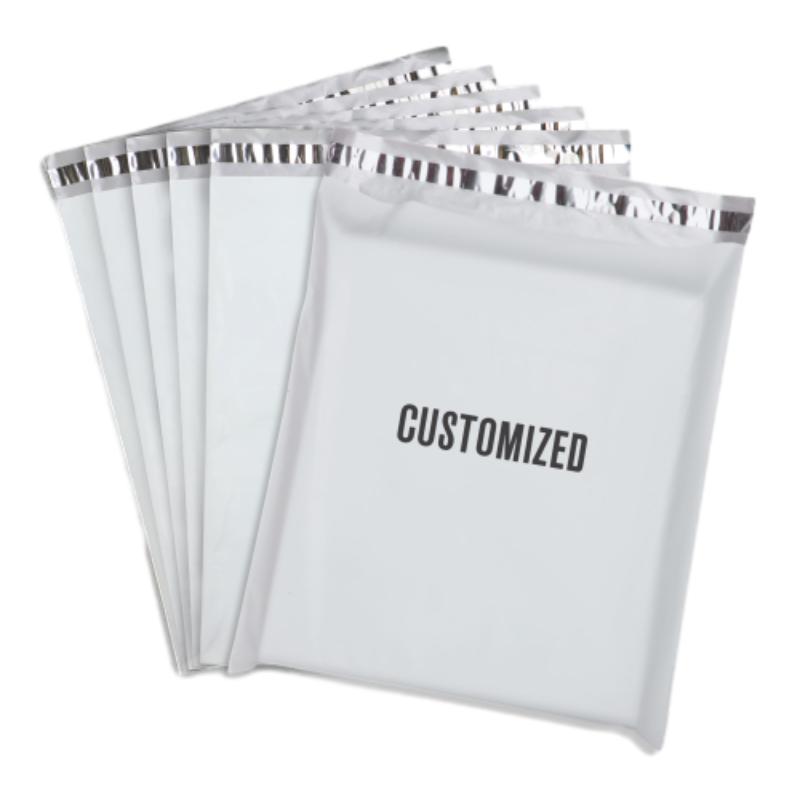
Have the freedom of customizing your custom mailers any way you want! Our dedicated packaging support will help deliver you the mailing experience you need to elevate your shipping experience to the next level! Start making a strong impression on your customers and stand out from your competitors! -
LIYA uses high quality raw materials which directly purchased from large enterprises domestic and overseas such as PetroChina, Sinopec, Sabic, Equate, ExxonMobil, Dow Chemical, Total, and Borouge, ensuring the price advantage and quality of the raw materials. -
LIYA uses high quality raw materials which directly purchased from large enterprises domestic and overseas such as PetroChina, Sinopec, Sabic, Equate, ExxonMobil, Dow Chemical, Total, and Borouge, ensuring the price advantage and quality of the raw materials.
 English
  Arabic
  China
China  French
  Korean
  Russian
  Spanish