Home Window Tinting: Privacy, UV Block, Energy Savings
home window tinting is a key solution in the Chemical and Materials industry, specifically within Film and adhesive and architectural membrane. This article explores how Xiongxian Liya Packing Material Co., Ltd. supports professionals with durable, high-performance products, and explains why this product is an ideal choice for businesses in these sectors.
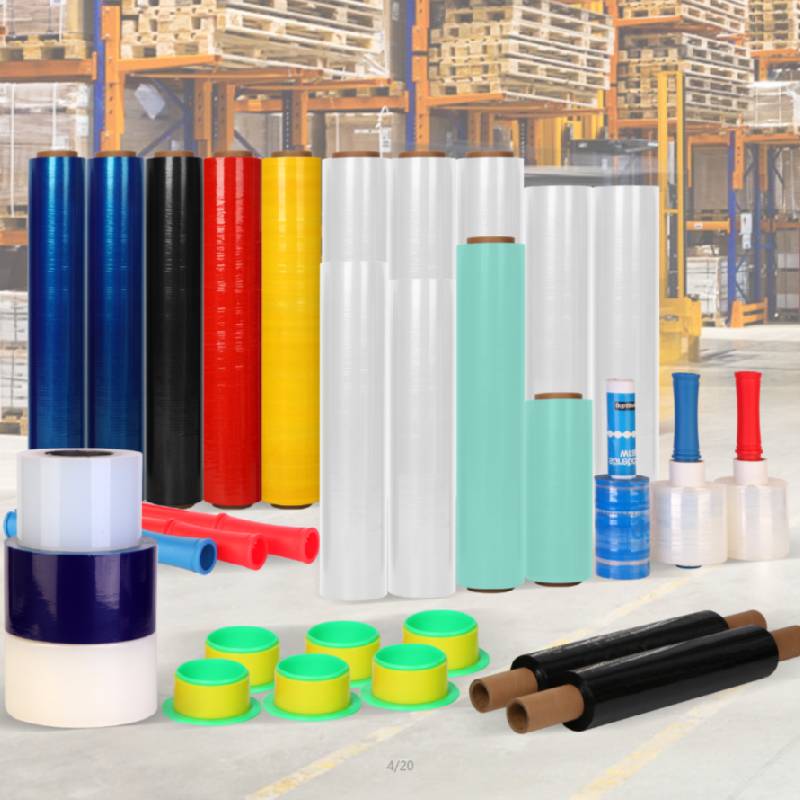
Table of Contents
- home window tinting Overview
- Benefits & Use Cases of home window tinting in architectural membrane
- Cost, Maintenance & User Experience
- Sustainability & Market Trends in Chemical and Materials
- Conclusion on home window tinting from Xiongxian Liya Packing Material Co., Ltd.
home window tinting Overview
For B2B decision-makers in glazing, residential retrofits, and building materials distribution, home window tinting sits at the intersection of performance, protection, and aesthetics. Technically, these solutions are engineered architectural membranes—multi-layer polymer films with pressure-sensitive adhesive that bond to interior glazing. PET-based tints deliver optical clarity, UV filtration, and glare control, while PE-based glass protection film safeguards panes during transport, fabrication, and installation. As a complementary portfolio, privacy glass film and decorative glass film for windows add controlled light transmission and visual screening without permanent glass replacement.
- Typical technical ranges include 1–2 mil PET tints (with visible light transmission options from ~5% to ~70% across types of window tint for homes) and 30–80 μm PE glass protection film with clean-removal acrylic adhesive.
- Performance targets may include UV blocking up to ~99% (depending on construction), improved solar heat gain management, low haze for optical clarity, and residue-free removability for temporary protection films.
- Xiongxian Liya Packing Material Co., Ltd. serves as a reliable manufacturer and partner, supplying consistent, slit-to-width rolls that integrate smoothly into converter, installer, and distributor workflows in the Film and adhesive value chain.
Benefits & Use Cases of home window tinting in architectural membrane
Across residential developments, retrofit programs, and OEM glazing, home window tinting delivers measurable benefits. From a building physics perspective, solar control films help moderate heat gain and glare, while privacy glass film enables occupant comfort and design intent without changing existing fenestration. During construction and renovation, blue-tinted glass protection film shields substrates from scratches, cement dust, and handling damage—reducing rework and punch-list costs. For channel partners and window tint manufacturers, this translates into smoother installations, fewer call-backs, and tighter project schedules.
- Applications: residential towers, single-family retrofits, model homes, sales galleries, and glazing fabrication lines requiring temporary protection through delivery and install.
- Advantages: broad visual light transmission and shading options, low-haze optics, scratch-resistant surface layers (where specified), and clean-removal PSA for protection films that won’t leave adhesive residue.
- Xiongxian Liya Packing Material Co., Ltd. supports customization in width, thickness, color, and adhesion strength—enabling spec-driven solutions across varied types of window tint for homes and aligning with installer preferences.
Cost, Maintenance & User Experience
Total cost of ownership for home window tinting encompasses material, installation, and service life. For interior PET solar films, energy moderation can reduce HVAC load and enhance occupant comfort—factors that, in many climates, support attractive payback horizons after installation. For temporary PE glass protection film, avoided damage and faster turnover often offset material costs by lowering surface repairs and cleaning labor. Maintenance is straightforward: non-abrasive cleaners and soft cloths preserve clarity and extend service life, while protection films are designed for clean removal within their recommended dwell period.
- Durability: quality films are engineered for optical stability, UV resistance, and adhesive consistency, supporting long-term appearance and performance when installed per guidelines.
- ROI drivers: mitigated glass damage during construction, improved occupant comfort, and potential energy savings contribute to lifecycle value in the Film and adhesive sector’s residential applications.
Sustainability & Market Trends in Chemical and Materials
Sustainability pressures, evolving energy codes, and consumer comfort preferences are accelerating adoption of architectural membranes. Home window tinting supports decarbonization strategies by optimizing solar gain at the envelope, complementing insulation and air-sealing measures. In parallel, low-VOC adhesive systems, solvent-conscious coating practices, downgauged films, and recyclable cores/packaging all align with procurement priorities and compliance frameworks across regions. Privacy glass film and glass film for windows also enable design flexibility without new glass manufacture—helping reduce embodied carbon in retrofit paths.
- Regulatory currents: tighter building performance standards and retrofit incentives encourage solar control films as a practical step to improve envelope efficiency.
- Xiongxian Liya Packing Material Co., Ltd. positions its portfolio to support responsible sourcing and manufacturability, offering glass protection film and tinting options designed to meet modern performance, quality, and sustainability expectations.
Conclusion on home window tinting from Xiongxian Liya Packing Material Co., Ltd.
In the Film and adhesive domain, home window tinting is a proven architectural membrane for energy moderation, comfort, and aesthetics—alongside glass protection film that safeguards quality from factory to final turnover. Xiongxian Liya Packing Material Co., Ltd. delivers dependable materials that integrate seamlessly into B2B supply chains, supporting installers, distributors, and developers with consistent performance and clean removability. For specifications, samples, or pricing, our team is ready to help. Contact us: email: cassie.lu@liyasy.com — Visit our website: https://www.liyabiobag.com
-
Secure Shipping Guide with Poly Mailer Bubble Wrap SolutionsNewsApr.16,2026
-
Secure Shipping Guide for Using Durable Bubble Parcel BagsNewsApr.09,2026
-
Comprehensive Guide to Poly Mailer Bubble for Secure and Efficient ShippingNewsApr.07,2026
-
Elevate Your Brand with Custom Designer Bubble Mailers for Effective PackagingNewsApr.04,2026
-
Comprehensive Guide to Poly Mailers with Bubble Wrap for Secure ShippingNewsMar.31,2026
-
Comprehensive Guide to Large Bubble Poly Mailers for Secure and Efficient ShippingNewsMar.28,2026
-
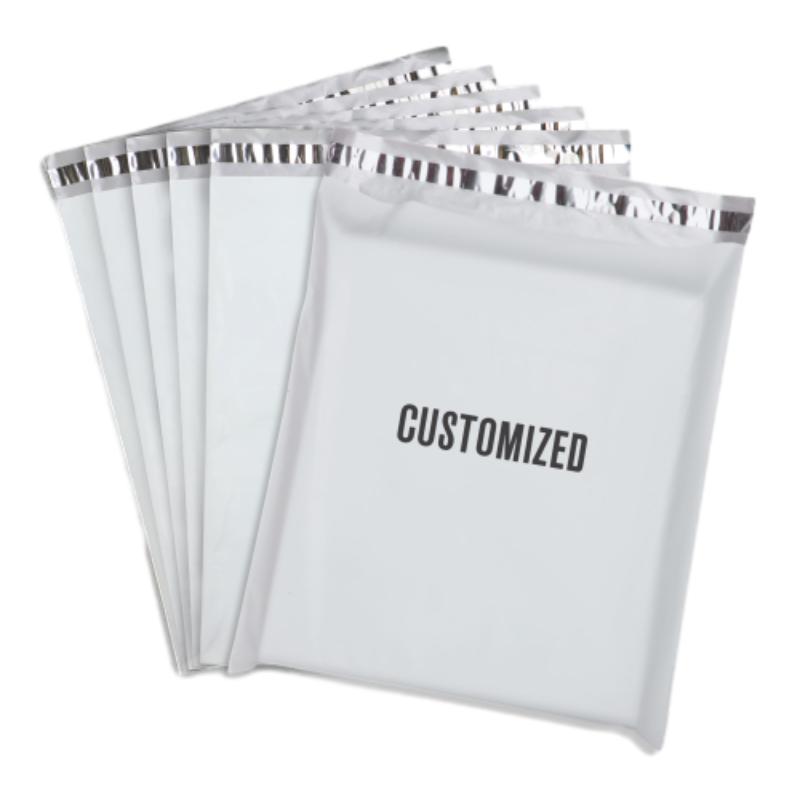
Have the freedom of customizing your custom mailers any way you want! Our dedicated packaging support will help deliver you the mailing experience you need to elevate your shipping experience to the next level! Start making a strong impression on your customers and stand out from your competitors! -
LIYA uses high quality raw materials which directly purchased from large enterprises domestic and overseas such as PetroChina, Sinopec, Sabic, Equate, ExxonMobil, Dow Chemical, Total, and Borouge, ensuring the price advantage and quality of the raw materials. -
LIYA uses high quality raw materials which directly purchased from large enterprises domestic and overseas such as PetroChina, Sinopec, Sabic, Equate, ExxonMobil, Dow Chemical, Total, and Borouge, ensuring the price advantage and quality of the raw materials.
 English
  Arabic
  China
China  French
  Korean
  Russian
  Spanish