Laminated Poly Bags: Durable, Waterproof, Custom Printing?
A Field Guide to laminated poly bags for Produce and Everyday Packaging
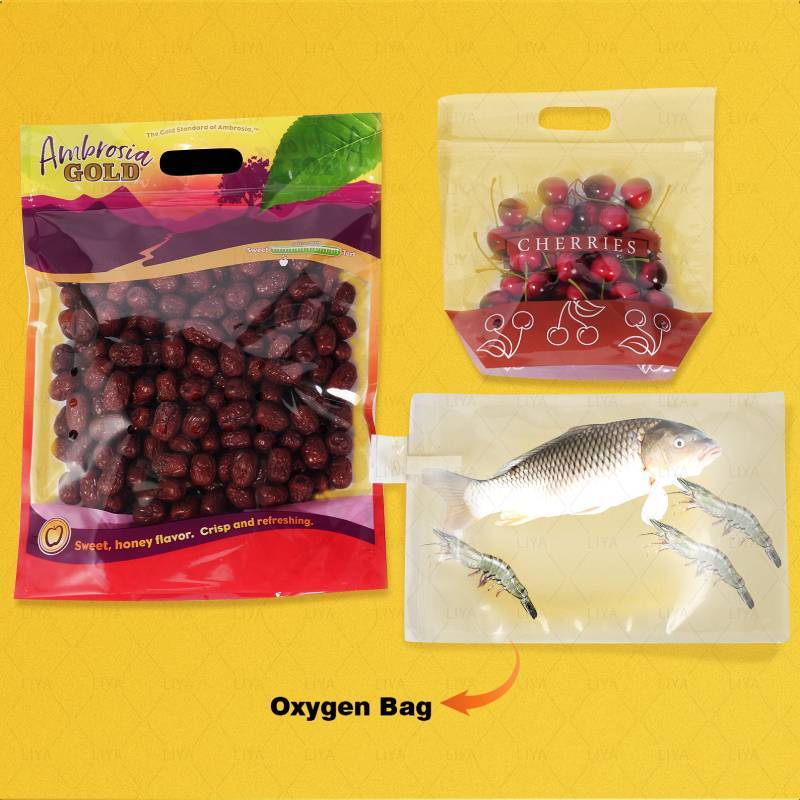
If you work with fresh fruit, nuts, or small-format foods, you’ve probably noticed the quiet revolution happening on shelves: zippered, crystal-clear pouches with strong seams and tidy die-cut handles. To be honest, the tech behind them is a lot more interesting than the neat front-panel graphics. I’ve toured converters from Hebei to Ho Chi Minh City, and one thing keeps coming up—laminated poly bags are pulling double duty: protection and presentation.
What’s driving adoption right now
Retailers want fewer shrink losses and fewer messy breakages. Produce shippers want breathable pouches that still pass drop tests. Design teams want crisp gravure print without smudging on the zipper track. And procurement—well, they want predictable lead times and audited plants. In fact, converters in northern China’s plastic packaging hubs (like Plastic Packing Park, Xiongxian, Baoding, Hebei 071800) are leaning into solventless lamination and faster curing to hit all of the above.
Product snapshot: Laminated Bag
Use cases include grapes, cherries, snack nuts, grains, and dry goods—plus kitchen storage and daily necessities. Many customers say the recloseable zipper and rigidized film help the bag “stand nice” in chillers.
| Spec | Typical Range/Notes |
|---|---|
| Structure | BOPP/CPP, PET/PE, or NY/PE (≈60–140 μm total) |
| Features | Zipper, self-seal, die-cut handle, vent holes/micro-perf, hang hole |
| Printing | Gravure up to 10 colors; matte/gloss options |
| Barrier (approx.) | OTR ≈ 50–200 cc/m²·day; WVTR ≈ 2–8 g/m²·day (ASTM F1927/F1249) |
| Seal Strength | ≥ 2.5 N/15 mm (ASTM F88), real-world use may vary |
| Food Contact | FDA 21 CFR 177.1520 and EU 10/2011 compliant materials (upon request) |
| Service Life | ≈ 12–18 months in cool, dry storage; avoid direct sun and >35°C |
How they’re made (quick tour)
Film selection → gravure printing → solventless (or low-solvent) lamination → curing 24–48h → slitting → bagmaking (zipper application, punch, gusset) → QC. Typical tests: tensile (ASTM D882), seal strength (ASTM F88), oxygen/water vapor transmission (ASTM D3985/F1249), drop resistance, and migration tests for food contact. It sounds dry, but these checks are why laminated poly bags survive cold-chain jolts.

Vendor landscape (real-world view)
| Vendor | Lead Time | Certs | Price Index | |
|---|---|---|---|---|
| Liya BioBag (Hebei) | ≈ 12–20 days | ISO 22000/FSSC (on request), FDA/EU DoC | Gravure ≤10c, matte-varnish | $$ |
| Generic Importer | ≈ 25–35 days | Varies | Gravure ≤8c | $ |
| Local Converter | ≈ 7–14 days | BRCGS or ISO often | Short runs, HD print | $$$ |
Applications and feedback
- Fresh produce: grapes/cherries with micro-perf to reduce fogging.
- Snack nuts and grains: better aroma lock, reseal after first pour.
- Daily necessities: small hardware, pet treats, travel kits.
A European grape packer told me they saw ≈18% lower shrink when switching to laminated poly bags with targeted vent patterns; a specialty nut brand reported fewer rancidity complaints after moving to PET/PE with higher seal strength. Anecdotes, sure—but they pop up again and again.
Customization tips
Share pack weight, cold-chain conditions, desired shelf life, and your sealing equipment. Ask for OTR/WVTR targets, zipper profile options, and a DoC packet (FDA 21 CFR, EU 10/2011). And if you’re shipping far, request drop-test data and seal-creep checks. It seems basic; it’s not.
Origin note: Produced in Plastic Packing Park, Xiongxian, Baoding, Hebei, China 071800. Convenient for North Asia and EU sailings, actually.
Standards and references
- ASTM D882 – Tensile Properties of Thin Plastic Sheeting.
- ASTM F88/F88M – Seal Strength of Flexible Barrier Materials.
- ASTM F1249 – Water Vapor Transmission Rate Through Plastic Film.
- ASTM D3985 – Oxygen Transmission Rate Through Plastic Film.
- FDA 21 CFR 177.1520 – Olefin Polymers for Food Contact.
- EU Regulation No 10/2011 – Plastic Materials in Contact with Food.
-
Secure Shipping Guide with Poly Mailer Bubble Wrap SolutionsNewsApr.16,2026
-
Secure Shipping Guide for Using Durable Bubble Parcel BagsNewsApr.09,2026
-
Comprehensive Guide to Poly Mailer Bubble for Secure and Efficient ShippingNewsApr.07,2026
-
Elevate Your Brand with Custom Designer Bubble Mailers for Effective PackagingNewsApr.04,2026
-
Comprehensive Guide to Poly Mailers with Bubble Wrap for Secure ShippingNewsMar.31,2026
-
Comprehensive Guide to Large Bubble Poly Mailers for Secure and Efficient ShippingNewsMar.28,2026
-
Have the freedom of customizing your custom mailers any way you want! Our dedicated packaging support will help deliver you the mailing experience you need to elevate your shipping experience to the next level! Start making a strong impression on your customers and stand out from your competitors! -
LIYA uses high quality raw materials which directly purchased from large enterprises domestic and overseas such as PetroChina, Sinopec, Sabic, Equate, ExxonMobil, Dow Chemical, Total, and Borouge, ensuring the price advantage and quality of the raw materials. -
LIYA uses high quality raw materials which directly purchased from large enterprises domestic and overseas such as PetroChina, Sinopec, Sabic, Equate, ExxonMobil, Dow Chemical, Total, and Borouge, ensuring the price advantage and quality of the raw materials.
 English
  Arabic
  China
China  French
  Korean
  Russian
  Spanish