You know, I’ve been running around construction sites all year, and lately, everyone’s talking about optimizing packaging, reducing costs… specifically, poly mailer bags bulk. Seems simple, right? But trust me, it's a minefield. To be honest, the number of times I've seen a perfectly good product ruined by flimsy packaging… it's disheartening. It’s not just about protecting the goods, it’s about the whole impression.
Have you noticed how everyone’s going for ‘eco-friendly’ these days? It’s good, yeah, but some of these biodegradable plastics… they feel like tissue paper. You think you're saving the planet, but your shipment arrives looking like it went through a shredder. I encountered this at a factory in Ningbo last time. They switched to a new “green” mailer, and the customer complaints skyrocketed. Apparently, the bags were splitting during transit, even with light items.
Anyway, I think the key is finding the right balance. Durability, cost, and sustainability. It’s a juggling act.
The Current Landscape of poly mailer bags bulk
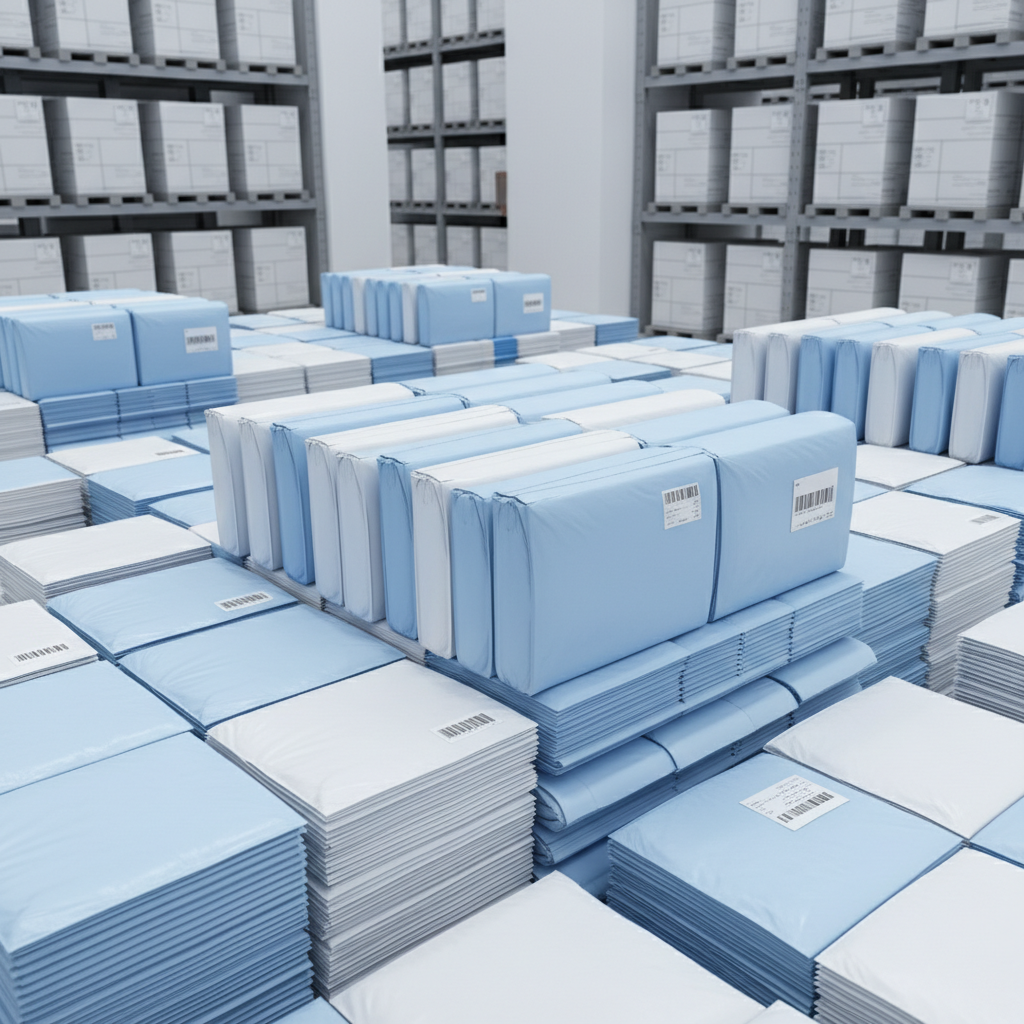
Strangely enough, the demand for poly mailer bags bulk is skyrocketing, especially with the e-commerce boom. Everyone wants fast, reliable shipping. But it’s not just about volume. It's about getting the right bag for the job. You've got your standard polyethylene, your co-extruded options for extra strength, and now a whole wave of compostable alternatives. The pressure's on to balance cost with performance and environmental impact.
It's becoming a real challenge for businesses, especially the smaller ones, to navigate this landscape.
Common Pitfalls in Design & Material Selection
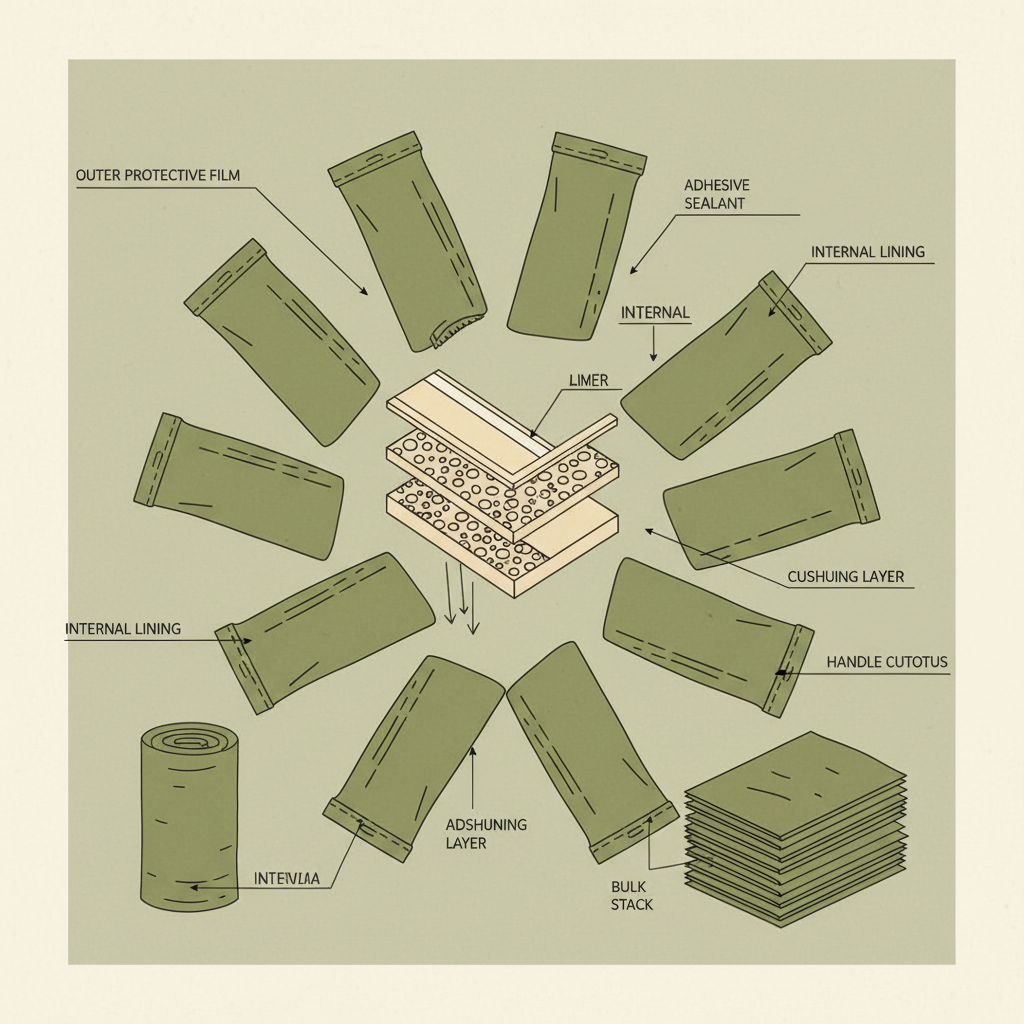
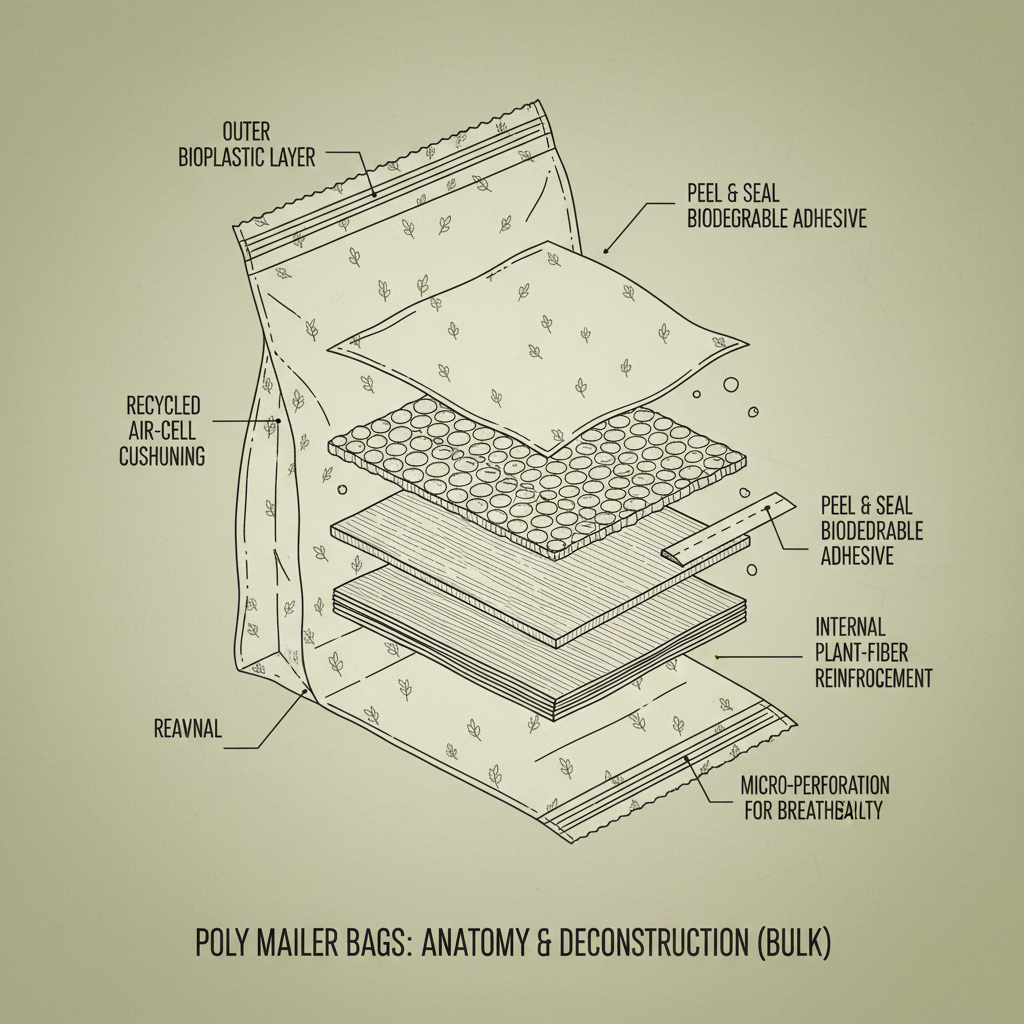
I see it all the time. People skimp on the thickness, thinking a few microns won't matter. They do. They really do. A bag that’s too thin will tear easily, especially with sharp edges or heavier items. Then there’s the adhesive. A weak seal means the package can come open during transit. I've seen packages arrive with contents spilled everywhere. It's a mess. Another mistake? Ignoring the size. Too small, and you're wrestling with the product, potentially damaging it in the process. Too big, and you’re paying for excess material and increased shipping costs.
Also, watch out for self-sealing vs. tamper-evident closures. They look similar, but they serve different purposes. The self-sealing is for convenience, the tamper-evident is for security.
And honestly, people often overestimate the strength needed. Do you really need military-grade poly mailer for a t-shirt? Probably not.
Material Deep Dive: What We're Actually Using
Now, let’s talk materials. Standard polyethylene (PE) is the workhorse. It’s affordable, durable, and readily available. You can smell it, that kind of plasticky odor. It feels... well, like plastic. Then you have polypropylene (PP), which is a bit more rigid and resistant to tearing. Feels slightly smoother. Co-extruded PE is where things get interesting. It's multiple layers of PE, often with a different density in each layer, giving you the best of both worlds - strength and flexibility.
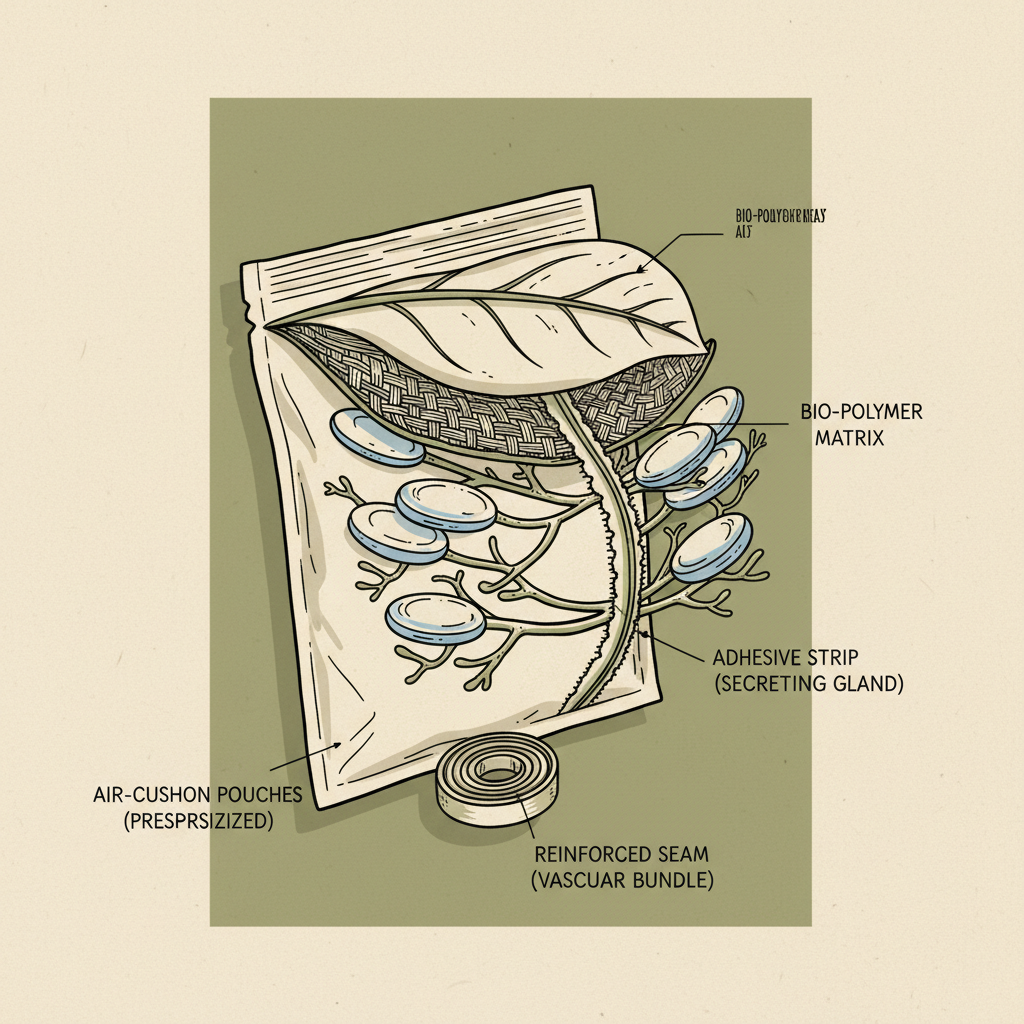
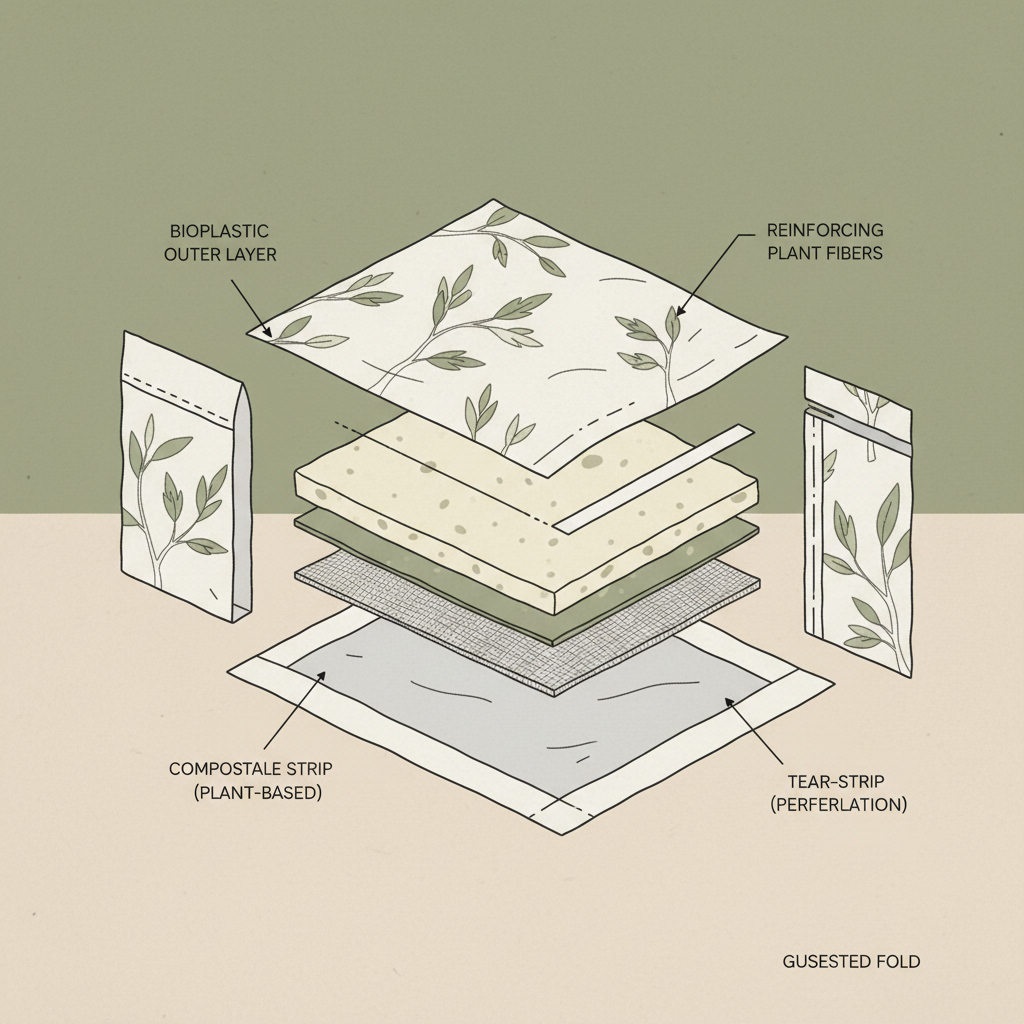
But the real buzz is around compostable materials. PLA, PBAT… they sound good on paper, but they can be tricky. They often require specific composting facilities to break down properly, and they can be more expensive. They also tend to be less durable than traditional PE. I’ve handled some that felt… flimsy, honestly. Like they’d fall apart if you looked at them wrong.
And don't even get me started on recycled content. It’s great when it works, but the quality can vary wildly. You gotta trust your supplier and do your due diligence.
Real-World Testing: Beyond the Lab
Forget the tensile strength tests and the tear resistance charts. Those are good for a baseline, but they don’t tell the whole story. I want to see the bag survive the real world. We've started doing drop tests – dropping packages from varying heights onto concrete. Simple, but effective. We also have a “stress test” where we deliberately try to tear the bag with our bare hands. Sounds barbaric, I know, but it gives you a feel for the material’s strength.
We even send packages through regular postal routes, with different carriers, to see how they hold up. You’d be surprised how rough these packages get handled.
poly mailer bags bulk Performance Metrics
How Users Really Use poly mailer bags bulk
You know what I’ve noticed? People don’t always follow the instructions. They try to reuse the bags, even when they’re clearly damaged. They overstuff them, expecting them to magically stretch. They don’t bother to properly seal them. It’s frustrating, but it’s reality. That’s why you need a bag that has a bit of a safety margin. A little extra strength can go a long way.
And a lot of times, it’s not the shipping process that damages the bag, it’s the handling in the warehouse. Forklifts, rough surfaces, impatient workers… these are the real enemies.
The Upsides and Downsides: A Pragmatic View
Look, poly mailer bags bulk are great for certain things. They’re lightweight, waterproof, and relatively cheap. Perfect for clothing, soft goods, anything that doesn’t require rigid protection. But they’re not a miracle solution. They’re not good for fragile items, sharp objects, or anything that needs to be kept completely dry. And let's be real, the compostable options still have a long way to go in terms of performance and cost.
Honestly, the biggest downside is the waste. Even if you’re using recycled content, they still end up in landfills. But that’s a whole other conversation.
Ultimately, it’s about choosing the right tool for the job.
Customization Options: When and Why
We get a lot of requests for custom printing. Logos, branding, special instructions… it’s all doable. But it adds cost, obviously. Last month, that small boss in Shenzhen who makes smart home devices insisted on changing the interface to , and the result was a two-week delay and a bunch of angry customers. It was the same with this custom printing. He wanted a very specific shade of blue, and it took three iterations to get it right.
Another popular customization is size. Sometimes, a standard bag just doesn’t fit the product. We've had clients request custom sizes for oddly shaped items or for creating a more premium unboxing experience.
But you gotta weigh the cost against the benefit. Is a custom bag really going to make a difference to your customers?
Analysis of Poly Mailer Bag Bulk Performance Factors
| Material Type |
Cost per Unit (USD) |
Durability Rating (1-10) |
Environmental Impact (Low/Med/High) |
| Standard LDPE |
$0.05 |
6 |
High |
| HDPE |
$0.07 |
8 |
High |
| Co-Extruded PE |
$0.10 |
9 |
High |
| PLA (Compostable) |
$0.15 |
4 |
Low |
| Recycled LDPE |
$0.08 |
7 |
Med |
| PBAT (Compostable) |
$0.20 |
5 |
Low |
FAQS
Honestly, it’s underestimating the stress these bags go through. They think a thin bag will save them money, but it just leads to more returns, damaged goods, and unhappy customers. It's always better to invest a little more in a durable bag from the start. You’ll thank me later.
That’s a complicated question. They can be, but only if they're composted properly. Most home compost piles don’t get hot enough to break them down. They usually need industrial composting facilities, and those aren’t available everywhere. It's a bit of a greenwashing issue, to be honest.
Measure your product! Don't guess. Add a couple of inches to the length and width to give yourself some wiggle room. It's better to have a slightly bigger bag than one that's too small. You don't want to be fighting to get the product inside.
Absolutely, but it adds to the cost and lead time. You’ll need to provide a high-resolution logo and specify the colors. Keep it simple – too much detail can look cluttered. And be prepared to wait a bit longer for the order to be fulfilled.
Self-sealing bags have a sticky strip that you just press to close. Tamper-evident bags have a security strip that breaks if someone tries to open the bag without leaving evidence. The latter is good for valuable or sensitive items.
Keep them in a cool, dry place away from direct sunlight. Don’t stack them too high, or they can get crushed. And don't store them near strong chemicals or solvents. Simple stuff, really.
Conclusion
So, there you have it. Poly mailer bags bulk aren't just simple plastic sleeves. They're a critical part of the supply chain, impacting everything from cost and efficiency to customer satisfaction and environmental responsibility. Choosing the right bag requires careful consideration of materials, design, and intended use. There’s no one-size-fits-all solution.
Ultimately, whether this thing works or not, the worker will know the moment he tightens the screw. It's the real-world test that matters. And that's the bottom line. Check out our website at www.liyabiobag.com for more info.


 English
  Arabic
  China
China  French
  Korean
  Russian
  Spanish