Padded Compostable Mailers – Eco-Friendly Packaging for Modern Shipping
What exactly is a padded compostable mailer — and why should we care?
If you’ve ever ordered something fragile online, you know the value of good packaging that protects its cargo. But conventional padded mailers are mostly plastic or bubble-lined — (guilty as charged) — and honest to goodness, they end up in a landfill, potentially for decades. It’s this environmental cost that’s pushing many businesses and individuals to rethink packing materials, turning attention to padded compostable mailers as a much-needed sustainable alternative.
Understanding padded compostable mailers matters on a global scale because packaging waste accounts for a shocking share of landfill overflow and marine pollution. According to the United Nations Environment Programme, packaging waste is one of the fastest-growing waste streams worldwide. So, swapping to compostable versions means less plastic hanging around in oceans and ecosystems — a win for everyone.
But it’s not just about being “green” in a vague feel-good way: there are real benefits too — from cost savings over time, improved brand image, to meeting tightening environmental regulations. It's a shift as practical as it is necessary.
The global relevance of padded compostable mailers today
In 2023, the global e-commerce boom means millions of parcels flood our postal systems daily, many wrapped in non-biodegradable packaging. The World Bank estimates that global municipal solid waste will increase by 70% by 2050, driven largely by consumer packaging. This is a huge challenge for cities already struggling with waste management infrastructure.
It’s within this context that padded compostable mailers rise as a solution to two major problems: plastic pollution and waste disposal costs. Countries in Europe and North America are leading the charge, backed by regulations like the EU’s Single-Use Plastics Directive, which calls for reductions in plastic packaging.
It’s not just regulators — consumers increasingly demand sustainable products. A Nielsen report found that 81% of global consumers feel strongly that companies should help improve the environment. So, for brands and manufacturers, padded compostable mailers are both a challenge and an opportunity to innovate and pivot.
What is a padded compostable mailer?
Simply put, a padded compostable mailer is an eco-friendly shipping envelope designed with natural or biodegradable materials that provide cushioning protection — replacing plastic bubble wrap or synthetic foams with compostable fillers like cellulose fibers, cornstarch foam, or recycled paper.
They are sturdy enough for mailing fragile items but break down naturally in compost environments, returning nutrients to the soil rather than becoming persistent waste. This makes them especially meaningful in industries — e-commerce, retail, humanitarian aid — where safe, reliable packaging meets an urgent need for environmental stewardship.
Key features of padded compostable mailers
Durability and Protection
At the heart, these mailers need to protect shipments effectively. Modern padding solutions made from corn-based foam or cellulose batting provide shock absorption comparable to plastic bubble wraps — all while being fully compostable.
Biodegradability & Certification
Many padded compostable mailers meet ASTM D6400 or EN 13432 certifications, confirming they break down within industrial composting facilities in a matter of months instead of decades.
Water Resistance Without Plastics
One of the trickier challenges has been maintaining some moisture barrier properties. Manufacturers now use plant-based biofilms or wax coatings that are compostable, allowing mailers to resist light humidity yet stay earth-friendly.
Cost Efficiency
While traditionally more expensive than conventional padded mailers, prices have steadily dropped with scale and innovation — making them viable for mid to large-scale operations.
Customization & Branding Opportunities
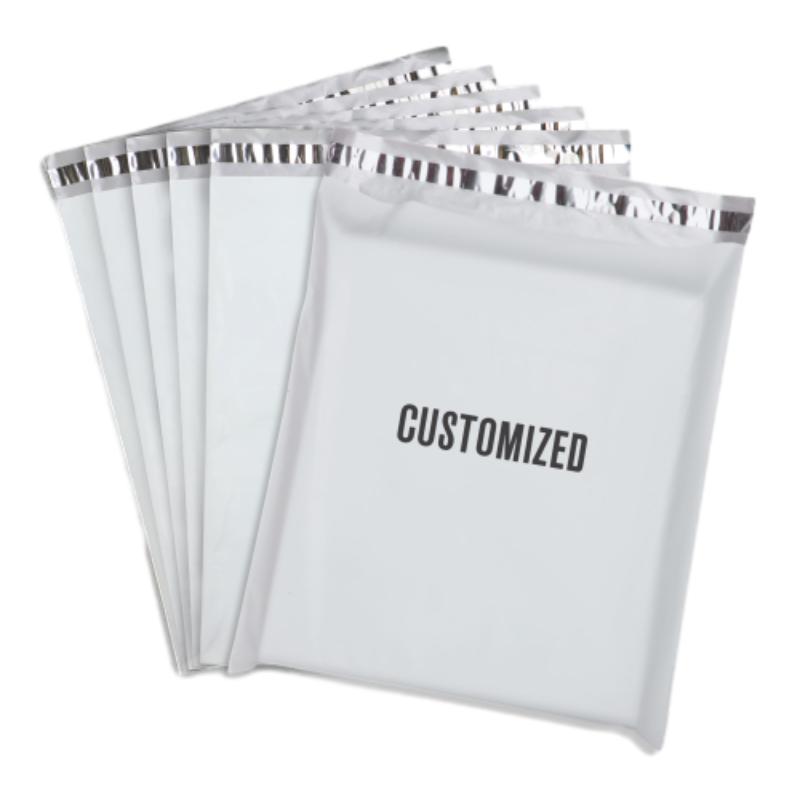
Many suppliers offer printing and sizing options, enabling brands to carry their eco-conscious message all the way to the end customer, reinforcing trust and loyalty.
Compatibility with Postal Regulations
Since these mailers closely fit existing mailing size and weight restrictions, adoption doesn't disrupt logistical flows.
How padded compostable mailers shine worldwide: applications and examples
You’ll find these mailers increasingly in action where sustainability and delicate cargo meet:
- Online retail: Small electronics, cosmetics, artisanal gifts go out in padded compostable mailers that combine protection with eco-appeal.
- Post-disaster relief: In humanitarian supply chains, lightweight, biodegradable packaging reduces waste buildup in fragile ecosystems impacted by crises.
- Pharmaceuticals: Some companies use compostable padded envelopes certified for shipping temperature-sensitive items without harming the environment.
- Remote industrial zones: Where waste management is minimal, compostable mailers mean less environmental burden from packaging.
Regions pushing hard for green supply chains include the EU, Japan, and parts of North America, but fast adoption is underway elsewhere, too.
Mini takeaway: padded compostable mailers combine protective practicality with planetary responsibility — a compelling duo.
Advantages beyond the obvious
Sure, sustainability is the headline, but here’s what else your business and customers gain:
- Lower disposal costs: Compostable mailers reduce landfill fees and potential fines linked to plastic pollution regulations.
- Brand loyalty: Consumers value authenticity, and eco-packaging signals care and innovation.
- Social impact: Reducing plastic waste helps protect marine life and communities affected by pollution.
- Reliability: Modern materials have come a long way; you don’t compromise on safety or shipment integrity.
What’s next? Future trends in padded compostable mailers
Advances in biodegradable polymers and bio-nanotechnology hint at even more versatile mailers ahead — imagine composting in your backyard, or envelopes enhanced with embedded seeds for easy replanting.
Automation in manufacturing promises lower costs and faster turnarounds, while evolving policies and industry standards support stricter bans on plastic packaging. Digital tracking combined with smart packaging could soon measure degradability or freshness in real time.
Challenges on the road and how to navigate them
Of course, no solution is perfect. Compostable mailers must maintain protection without compromising biodegradability, and current composting infrastructure isn’t universally accessible.
However, industry players tackle this with:
- Developing home-compostable mailers certified for backyard degradation.
- Partnerships that expand community composting facilities.
- Innovating multi-layer designs that peel apart easily for proper sorting.
The journey is ongoing but far from hopeless.
Sticky questions: FAQ about padded compostable mailers
Q: How long does a padded compostable mailer take to break down?
A: Depending on the composting environment, most certified padded compostable mailers degrade within 90 to 180 days in industrial composting. Home composting can take longer, typically a few months to half a year, due to lower temperatures and microbial activity.
Q: Are compostable mailers waterproof enough for shipping sensitive items?
A: Yes, newer padded compostable mailers incorporate plant-based moisture barriers that offer light water resistance, sufficient for typical mail transit. However, heavy or prolonged exposure to moisture may require additional protective layers.
Q: Can I recycle padded compostable mailers with regular cardboard?
A: No. Padded compostable mailers should not be recycled with standard paper or plastics but rather composted where facilities exist. Putting them in recycling bins can contaminate recyclables.
Q: Are compostable mailers more expensive than traditional padded envelopes?
A: Initially, yes — costs tend to be approximately 20-40% higher. But with increasing scale and regulatory incentives, the gap is shrinking and long-term savings on disposal fees and brand value often offset the premium.
Q: Can I customize padded compostable mailers with branding?
A: Absolutely! Many suppliers provide customization options, including printing with soy-based inks and tailored sizes, helping businesses showcase eco-friendly credentials effectively.
Product Specification Table
| Specification | Typical Value | Notes |
|---|---|---|
| Material | Cornstarch foam + paper fiber | 100% Certified Compostable |
| Thickness | 6 mm padded layer | Shock absorbing |
| Size Options | 8” x 12”, 10” x 14”, custom | Custom sizes on request |
| Certifications | ASTM D6400, EN 13432 | Industrial Compostability |
| Water Resistance | Light moisture barrier | Plant-based biofilm coating |
| Average cost per piece | $0.35 - $0.55 | Varies by volume/order |
Vendor comparison: How to choose your padded compostable mailer supplier
| Supplier | Certification | Customization | Lead Time | Price/Unit | Remarks |
|---|---|---|---|---|---|
| EcoPack Co. | ASTM D6400, EN 13432 | Full color printing | 2-3 weeks | $0.40 | Strong European presence |
| GreenMailer Inc. | EN 13432 | Sizes up to 16”x20” | 3-4 weeks | $0.55 | Higher cost, premium finish |
| Liyabiobag | ASTM D6400 certified | Custom prints & sizes | 1-2 weeks | $0.35 - $0.45 | Competitive pricing & fast delivery |
Wrapping it up: Why padded compostable mailers make sense now more than ever
So, why does this seemingly niche product deserve a second glance? Because it’s part of a bigger move toward responsible consumption and production, something the UN’s Sustainable Development Goals highlight (Goal 12). These mailers help businesses reduce environmental footprints without sacrificing shipment quality or customer confidence.
Frankly, choosing a padded compostable mailer today means investing in your company’s future resilience, customer goodwill, and a healthier planet. If you’re curious to see how swapping simple packaging can make a difference, maybe it’s time to explore options like the padded compostable mailer products from trusted suppliers.
In a world quietly drowning in plastic, small changes like these feel promising — almost hopeful.
References
-
Secure Shipping Guide with Poly Mailer Bubble Wrap SolutionsNewsApr.16,2026
-
Secure Shipping Guide for Using Durable Bubble Parcel BagsNewsApr.09,2026
-
Comprehensive Guide to Poly Mailer Bubble for Secure and Efficient ShippingNewsApr.07,2026
-
Elevate Your Brand with Custom Designer Bubble Mailers for Effective PackagingNewsApr.04,2026
-
Comprehensive Guide to Poly Mailers with Bubble Wrap for Secure ShippingNewsMar.31,2026
-
Comprehensive Guide to Large Bubble Poly Mailers for Secure and Efficient ShippingNewsMar.28,2026
-
Have the freedom of customizing your custom mailers any way you want! Our dedicated packaging support will help deliver you the mailing experience you need to elevate your shipping experience to the next level! Start making a strong impression on your customers and stand out from your competitors! -
LIYA uses high quality raw materials which directly purchased from large enterprises domestic and overseas such as PetroChina, Sinopec, Sabic, Equate, ExxonMobil, Dow Chemical, Total, and Borouge, ensuring the price advantage and quality of the raw materials. -
LIYA uses high quality raw materials which directly purchased from large enterprises domestic and overseas such as PetroChina, Sinopec, Sabic, Equate, ExxonMobil, Dow Chemical, Total, and Borouge, ensuring the price advantage and quality of the raw materials.
 English
  Arabic
  China
China  French
  Korean
  Russian
  Spanish