PE Gloves – Food-Safe, Latex-Free, Cost-Effective
Field notes from the glove aisle: where disposable Pe Gloves actually stand in 2025
If you’ve watched foodservice and light-industrial supply the past two years, you know demand whipsaws. The humble Pe Gloves are back in focus—prices steadied, audits got stricter, and buyers want traceability without losing that easy-on, easy-off convenience. I’ve walked a few plants and, to be honest, the conversation has shifted from “cheapest box” to “clean resin, predictable fit, proof of compliance.”
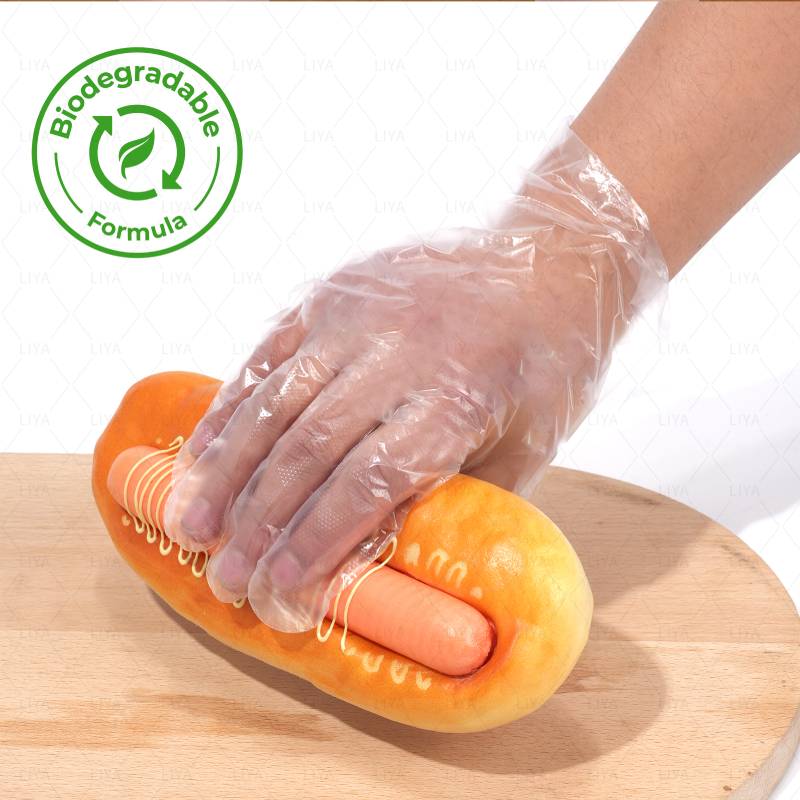
What’s special here
LIYA manufactures in Plastic Packing Park, Xiongxian, Baoding, Hebei (071800). Resin is directly sourced from PetroChina, Sinopec, Sabic, Equate, ExxonMobil, Dow, Total, and Borouge—so the bill of materials isn’t a mystery. That’s a quiet but important advantage for Pe Gloves: price stability, steady mechanical properties, and cleaner migration profiles for food contact.
Product specs at a glance
| Material | LDPE / HDPE / CPE / TPE (food-contact grade) |
| Thickness | ≈ 8–30 µm (0.3–1.2 mil), real-world use may vary by SKU |
| Sizes | S / M / L / XL (flat width ≈ 240–300 mm) |
| Surface | Embossed or smooth for grip/dispensing |
| Tensile (ASTM D882) | ≈ 10–18 MPa; elongation ≈ 200–350% |
| AQL (holes) | AQL 2.5–4.0 per ISO 2859-1 (buyer-settable) |
| Shelf life | Around 3 years if stored 10–35°C, |
| Compliance | FDA 21 CFR 177.1520, EU Food Contact (EN 1186), REACH/RoHS |
Process flow (short version, but the real one)
Sourcing certified PE resin → film extrusion (blown) → embossing → die-cut glove forming → heat sealing of cuffs → inline pinhole check → lot sampling (ISO 2859-1) → tensile/elongation (ASTM D882), dart impact (ASTM D1709) → global migration tests (EN 1186) → packing and trace-coded cartons. Many customers say they notice fewer “stuck pairs” and cleaner tear lines—small, but it speeds shifts.
Where they actually get used
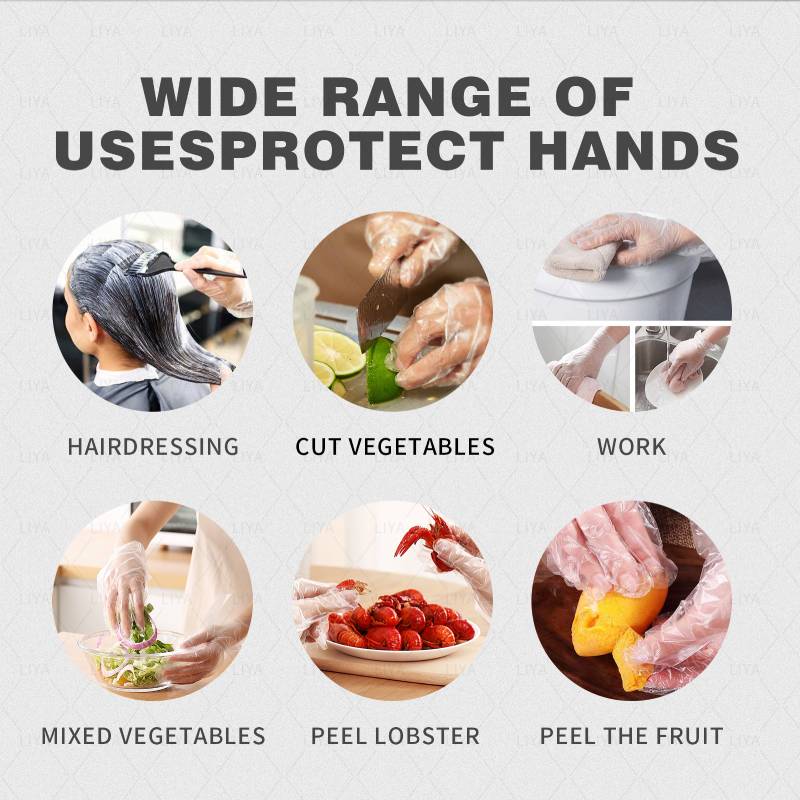
- Food prep and serving (fast-casual, bakery, deli, seafood)
- Beauty and hair coloring stations (short-contact tasks)
- Electronics light assembly and packing (non-ESD critical)
- Housekeeping and sampling in labs (low splash risk)
Note: Pe Gloves are not meant for heavy chemicals or surgical settings; pick nitrile or certified chemical gloves for that.
Vendor snapshot (why sourcing matters)
| Vendor | Resin pedigree | MOQ | Lead time | Certs | Notes |
|---|---|---|---|---|---|
| LIYA (Hebei) | Direct from majors (PetroChina, Dow, ExxonMobil, etc.) | ≈ 50–100k pcs | ≈ 15–25 days | FDA/EU food contact, REACH | Stable pricing; custom emboss/color; trace codes |
| Trading-only supplier | Mixed lots; origin varies | Low, but fluctuates | Around 25–40 days | Partial | Price swings; QC inconsistent |
| Local distributor | Unknown upstream | By carton | In stock | Varies | Fast but limited customization |
Customization and QC
For Pe Gloves, typical tweaks are thickness by station (e.g., 12 µm for salad line, 20 µm for fryer prep), emboss pattern, and color-coding per HACCP zone. Lot testing includes tensile/elongation, visual defects, pinholes (water-leak), and overall migration for food contact. Real-world: I saw a carton-level failure rate under 0.5% on a recent audit, which is frankly solid for this category.
Two quick case notes
National bakery chain: switched to color-coded Pe Gloves by zone; glove changes per shift dropped ≈ 18% due to better fit and embossed grip (internal ops data).
Seafood commissary: moved to thicker 18–20 µm Pe Gloves at cutting tables; pinhole complaints fell noticeably, and surprisingly, operators reported less hand fatigue than with vinyl.
Final take
If your priority is clean resin, predictable specs, and food-contact paperwork that passes scrutiny, these Pe Gloves are a safe, budget-steady pick. Not glamorous, but when they’re right, nobody talks about them—and that’s the point.
Authoritative references
-
Secure Shipping Guide with Poly Mailer Bubble Wrap SolutionsNewsApr.16,2026
-
Secure Shipping Guide for Using Durable Bubble Parcel BagsNewsApr.09,2026
-
Comprehensive Guide to Poly Mailer Bubble for Secure and Efficient ShippingNewsApr.07,2026
-
Elevate Your Brand with Custom Designer Bubble Mailers for Effective PackagingNewsApr.04,2026
-
Comprehensive Guide to Poly Mailers with Bubble Wrap for Secure ShippingNewsMar.31,2026
-
Comprehensive Guide to Large Bubble Poly Mailers for Secure and Efficient ShippingNewsMar.28,2026
-
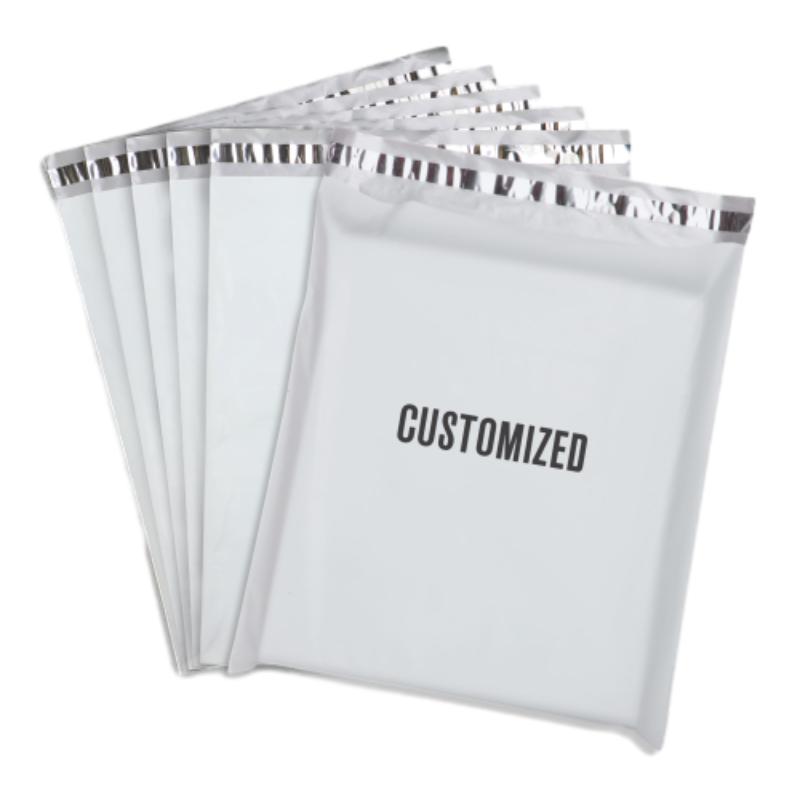
Have the freedom of customizing your custom mailers any way you want! Our dedicated packaging support will help deliver you the mailing experience you need to elevate your shipping experience to the next level! Start making a strong impression on your customers and stand out from your competitors! -
LIYA uses high quality raw materials which directly purchased from large enterprises domestic and overseas such as PetroChina, Sinopec, Sabic, Equate, ExxonMobil, Dow Chemical, Total, and Borouge, ensuring the price advantage and quality of the raw materials. -
LIYA uses high quality raw materials which directly purchased from large enterprises domestic and overseas such as PetroChina, Sinopec, Sabic, Equate, ExxonMobil, Dow Chemical, Total, and Borouge, ensuring the price advantage and quality of the raw materials.
 English
  Arabic
  China
China  French
  Korean
  Russian
  Spanish