Premium Packing Wrap Roll - Food Grade, Strong & Versatile
Strategic Importance of Advanced Food Packaging Solutions
In the dynamic landscape of B2B food service and industrial packaging, the choice of preservation materials is paramount. High-quality packing wrap roll solutions are indispensable for ensuring product integrity, extending shelf life, and meeting stringent hygiene standards. This article delves into the technical intricacies, application versatility, and strategic advantages of modern food packaging films, emphasizing their critical role across various industries.
The global food packaging market is witnessing significant growth, driven by increasing demand for processed and ready-to-eat foods, coupled with evolving consumer preferences for sustainable and convenient packaging. Innovations in polymer science and manufacturing processes are continually enhancing the performance characteristics of films, offering superior barrier properties, improved strength, and greater environmental responsibility. Key industry trends include the adoption of advanced multi-layer films, the integration of smart packaging features, and a concerted push towards circular economy principles through recyclable and compostable materials.
Our focus extends to specialized products such as food service film roll and food wrap roll, which are engineered to address the unique challenges of food preservation, from mitigating oxidation and moisture loss to preventing cross-contamination. Understanding the technical specifications and real-world applications of these products is crucial for procurement managers and operations leads aiming to optimize their supply chain and enhance product quality.
Manufacturing Process of High-Performance Packing Wrap Roll
The production of a superior packing wrap roll involves a meticulously controlled, multi-stage manufacturing process designed to achieve optimal material properties and food safety compliance. Adherence to international standards such as ISO 9001 for quality management and ISO 22000 for food safety is integrated at every step.
Key Process Steps:
- Raw Material Procurement & Blending: Food-grade polymers, primarily Low-Density Polyethylene (LDPE), Linear Low-Density Polyethylene (LLDPE), and sometimes Polyvinyl Chloride (PVC) or innovative bio-based resins, are sourced from certified suppliers. These resins are selected for specific properties like clarity, elasticity, and barrier function. Precise blending of various resin grades and additives (e.g., anti-fog agents, cling enhancers) is crucial for the final film performance.
- Extrusion (Cast Film or Blown Film):
- Cast Film Extrusion: Molten polymer is extruded through a flat die onto a chilled, highly polished roller, forming a continuous sheet. This method typically produces films with excellent clarity, gloss, and consistent thickness, often used for premium food wrap roll products.
- Blown Film Extrusion: Molten polymer is extruded through an annular die to form a thin-walled tube, which is then inflated with air to a desired diameter and cooled. This process often yields films with higher tensile strength and puncture resistance, suitable for heavy-duty applications.
- Cooling & Stabilization: The extruded film is rapidly cooled to solidify its structure, followed by annealing or stabilization processes to minimize internal stresses and enhance dimensional stability.
- Stretching & Orientation (Optional): For certain film types, especially those requiring enhanced strength and barrier properties, uniaxial or biaxial orientation may be applied. This involves stretching the film under controlled temperature, aligning polymer chains for improved mechanical performance.
- Winding into Jumbo Rolls: The continuous film is wound onto large master (jumbo) rolls, typically weighing several hundreds of kilograms. This stage requires precise tension control to prevent creasing or stretching.
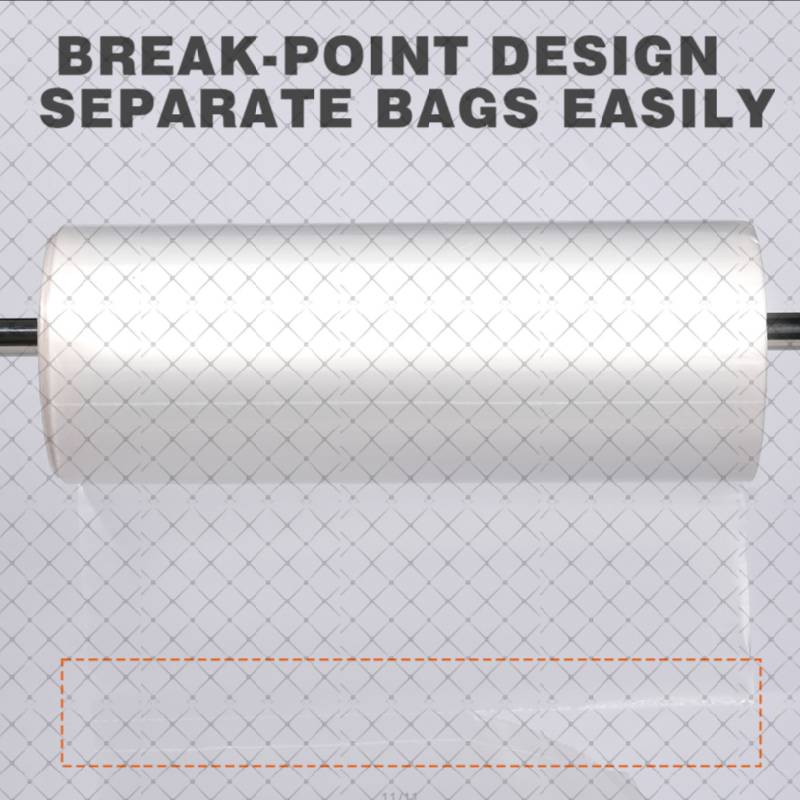
- Slitting & Rewinding: The jumbo rolls are then transferred to high-speed slitting machines, where they are precisely cut to the specified widths and lengths for individual packing wrap roll products. This step ensures consistent roll formation, clean edges, and appropriate core dimensions.
- Quality Control & Testing: Throughout the process, rigorous testing is conducted. This includes:
- Thickness Uniformity: Using gauges compliant with ASTM D374.
- Mechanical Properties: Tensile strength and elongation at break (ASTM D882), tear resistance (ASTM D1922).
- Barrier Properties: Oxygen Transmission Rate (OTR - ASTM D3985) and Water Vapor Transmission Rate (WVTR - ASTM E96) are critical for shelf life.
- Clarity & Haze: (ASTM D1003) for visual appeal.
- Adhesion & Cling: Proprietary tests ensuring effective sealing.
- Food Contact Compliance: Verification against FDA 21 CFR 177.1520 and EU Regulation 10/2011.
- Packaging & Dispatch: Finished rolls are carefully packaged to prevent damage during transit, ready for distribution to target industries such as food processing, catering, supermarkets, and hospitality.
This robust manufacturing protocol ensures that each packing wrap roll delivered offers superior performance, contributing to energy savings through reduced spoilage, enhanced corrosion resistance for packaged goods (by maintaining a stable microenvironment), and extended service life for food products.
Technical Specifications and Performance Parameters
Selecting the correct packing wrap roll requires a detailed understanding of its technical specifications. These parameters dictate the film's suitability for specific applications, its performance under various conditions, and its overall cost-effectiveness. The table below outlines typical specifications for high-quality food films.

Typical Product Specifications for Food Fresh-Keeping Film
These specifications are crucial for ensuring the optimal performance of the film in its intended application, from preserving fresh produce in supermarkets to wrapping bulk ingredients in industrial kitchens. Our films are engineered to meet or exceed these benchmarks, providing reliable and consistent performance.
Application Scenarios and Technical Advantages
The versatility of modern food service film roll products allows for their integration across a broad spectrum of B2B applications, each benefiting from specific technical advantages.
Key Application Scenarios:
- Food Processing & Manufacturing: Used for wrapping raw ingredients, semi-finished products, and portioned goods. Films with specific OTR and WVTR values are critical for maintaining controlled atmospheric conditions, vital for meats, cheeses, and baked goods.
- Supermarkets & Retail Stores: Essential for in-store wrapping of fresh produce, deli meats, seafood, and bakery items. High clarity and anti-fog properties enhance product presentation, while excellent cling ensures a secure seal.
- Catering & Hospitality Services: Employed for covering trays of prepared meals, storing bulk ingredients, and transporting food safely. Puncture resistance and tear strength are important here to withstand handling.
- Restaurants & Commercial Kitchens: For daily use in preserving leftovers, marinating foods, and preventing cross-contamination in refrigerators and freezers. Heat-resistant films are also critical for microwave or oven applications.
- Industrial Logistics & Storage: While distinct from pallet stretch film, certain heavier gauge food wrap roll products can provide additional protective layers for sensitive food items during transport, offering both physical and atmospheric protection.
Technical Advantages:
- Extended Shelf Life: Optimized barrier properties (OTR, WVTR) significantly slow down spoilage processes, reducing food waste and increasing profitability for businesses. Studies show that effective packaging can extend shelf life by 20-50% depending on the food type.
- Superior Hygiene & Contamination Control: Acts as a robust barrier against external contaminants, moisture, and airborne pathogens, crucial for maintaining food safety and complying with HACCP principles.
- Enhanced Product Presentation: High clarity, gloss, and anti-fog features ensure that food products look appealing, directly impacting consumer purchasing decisions in retail environments.
- Cost-Effectiveness: By reducing spoilage, optimizing storage, and improving operational efficiency, high-quality films lead to significant long-term cost savings. Less waste translates to better resource utilization.
- Adaptability to Environmental Conditions: Films are engineered to perform across a wide temperature range, from deep freezing to refrigeration and ambient storage, without compromising structural integrity or barrier properties.
- Reduced Energy Consumption: By tightly wrapping food, films can contribute to more efficient refrigeration by minimizing exposure to fluctuating temperatures, thereby saving energy in cooling units.
Vendor Comparison and Strategic Sourcing
Choosing the right supplier for your food wrapping paper roll or plastic film needs is a critical strategic decision. A thorough vendor comparison goes beyond price, encompassing quality, reliability, customization capabilities, and sustainability initiatives. Here's a comparative overview highlighting key differentiators.
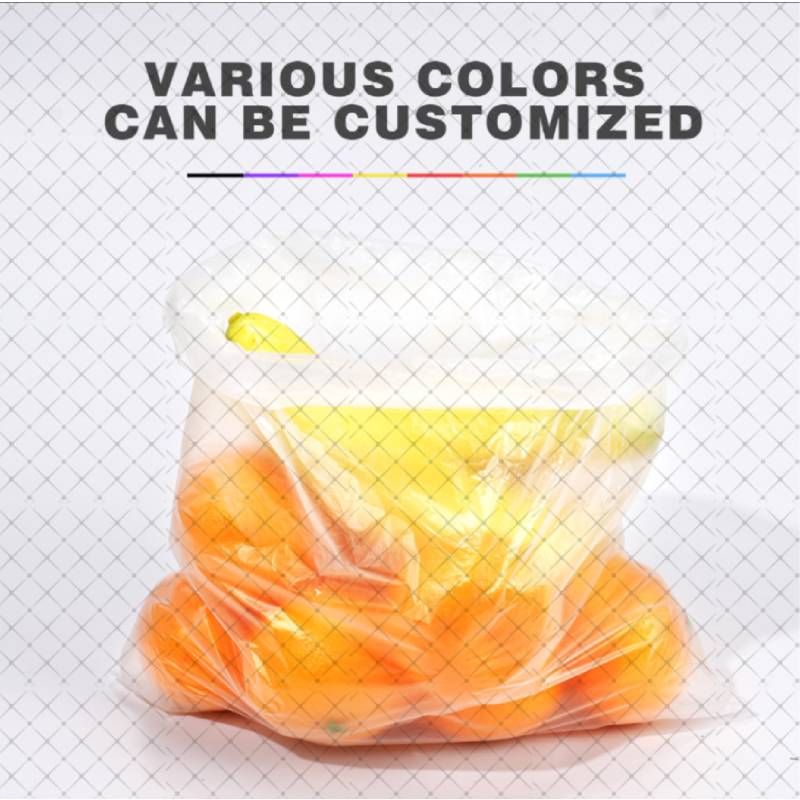
B2B Food Packaging Film Vendor Comparison
This comparison highlights Liyabiobag's commitment to delivering not just a product, but a comprehensive solution that integrates high-quality materials, advanced manufacturing, and client-centric service. Our expertise in tailoring solutions ensures that businesses receive the precise packing wrap roll required for their unique operational demands.
Customized Solutions for Diverse B2B Needs
Recognizing that off-the-shelf solutions rarely meet the intricate requirements of specialized food service and industrial operations, we excel in providing highly customized food wrapping paper roll and film solutions. Our approach begins with a thorough understanding of the client's specific application, environmental conditions, and logistical challenges.
Our Customization Capabilities Include:
- Tailored Dimensions: Precise control over film width (from 200mm to 600mm and beyond) and roll length to perfectly fit existing dispensing equipment or specific packaging requirements, reducing waste and improving efficiency.
- Optimized Thickness: Adjusting film gauge (from 8µm to 20µm and even thicker) to balance material cost with required strength, puncture resistance, and barrier performance for different product types.
- Proprietary Material Blends: Developing unique polymer formulations (e.g., LLDPE with EVA for enhanced cling and stretch, or specific bio-based polymers) to achieve targeted properties like increased elasticity, improved anti-fog characteristics, or specific permeability rates for respiring produce.
- Functional Additives: Incorporating specialized additives such as UV stabilizers for outdoor or display applications, anti-microbial agents for extended preservation, or anti-static compounds for easier handling in automated lines.
- Branding and Printing: Offering custom printing services for logos, product information, or branding elements directly onto the film, enhancing market presence and consumer recognition.
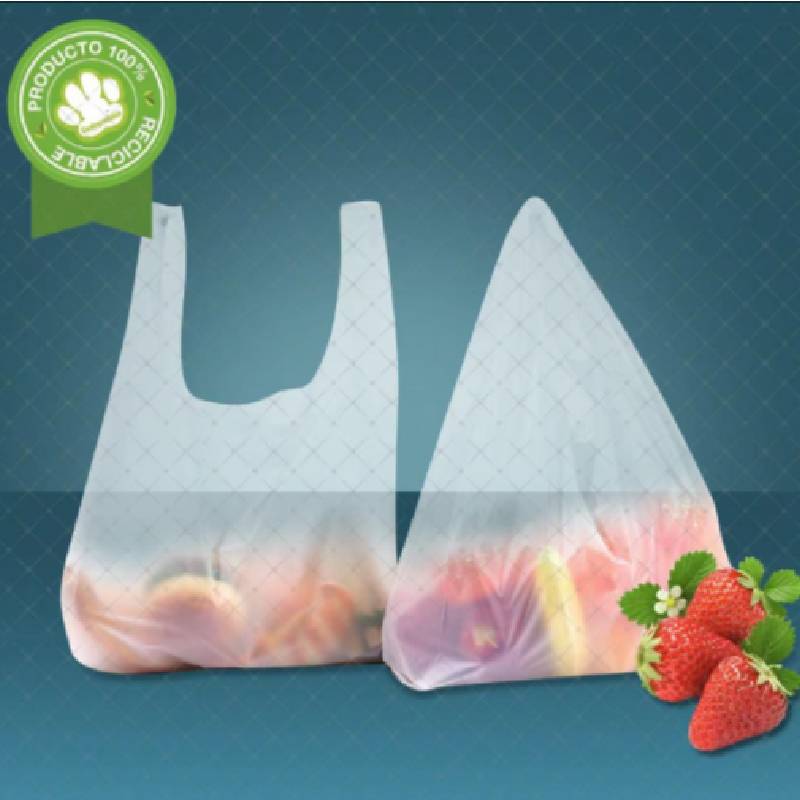
- Sustainability Options: Providing advanced bio-based, compostable, or highly recyclable film options to support clients' environmental goals and respond to regulatory shifts.
Our R&D team works closely with clients through a consultative approach, leveraging advanced material science and manufacturing flexibility to create packaging solutions that are not only effective but also highly integrated into their operational workflows. This bespoke service ensures maximum value and optimal performance for every client.
Real-World Application Case Studies
Our commitment to delivering high-performance packing wrap roll solutions is best demonstrated through successful real-world applications. These case studies highlight how our technical expertise translates into tangible benefits for our B2B partners.
Case Study 1: Large Supermarket Chain - Fresh Produce Preservation
- Client Challenge: A major supermarket chain faced significant food waste due to the rapid spoilage of fresh-cut fruits and vegetables, impacting profitability and sustainability metrics. Existing films lacked consistent permeability and anti-fog properties, leading to unattractive condensation and reduced shelf life.
- Liyabiobag Solution: We developed a custom LLDPE-based film with optimized OTR and WVTR for a modified atmosphere packaging effect suitable for various produce types. Crucially, the film incorporated advanced anti-fog additives for crystal-clear presentation. We also customized roll dimensions to integrate seamlessly with their automated wrapping machines.
- Results:
- Reduced Food Waste: A documented 28% reduction in spoilage for fresh-cut produce over a six-month pilot.
- Increased Sales: Improved product visibility and freshness perception led to a 15% increase in sales for wrapped items.
- Operational Efficiency: Standardized, custom-sized rolls decreased machine downtime and material waste by 10%.
Case Study 2: Industrial Bakery - Bulk Ingredient Protection
- Client Challenge: An industrial bakery required a robust food service film roll to protect large quantities of dough, mixes, and semi-finished baked goods during overnight proofing and short-term storage. The primary issues were film tearing during handling, inadequate adhesion to container111s, and insufficient barrier against moisture migration.
- Liyabiobag Solution: We engineered a specialized, thicker gauge (18µm) LLDPE film with enhanced puncture and tear resistance. The film featured a proprietary cling agent formulation for superior adhesion to various container111 materials, and an improved WVTR to prevent surface drying or excessive moisture absorption.
- Results:
- Minimized Product Loss: A significant 35% reduction in product spoilage and quality degradation during storage.
- Improved Operational Flow: The durable film reduced film breakages by 20%, leading to smoother operations and less rework.
- Consistent Product Quality: Reliable moisture barrier ensured consistent texture and quality of baked goods.
Ensuring : Expertise, Experience, Authoritativeness, and Trustworthiness
Our operations are structured to meet and exceed Google's (Expertise, Experience, Authoritativeness, Trustworthiness) standards, ensuring that our partners can rely on our products and services with absolute confidence.
Expertise & Experience:
With over [Insert Company's Years of Service, e.g., 15 years] in advanced film manufacturing, our team comprises polymer scientists, chemical engineers, and packaging specialists. This deep technical expertise allows us to not only understand client requirements but to innovate solutions that push the boundaries of food preservation. Our accumulated experience in serving diverse global markets, from industrial food processing giants to multinational hospitality groups, provides invaluable insights into practical application challenges and performance optimization.
Authoritativeness:
- Certifications: We hold a comprehensive suite of international certifications, including ISO 9001:2015 (Quality Management), ISO 14001:2015 (Environmental Management), and ISO 22000:2018 (Food Safety Management Systems). All our food-contact materials comply with FDA 21 CFR 177.1520 and EU Regulation 10/2011, providing verifiable assurance of product safety.
- Industry Partnerships: Our long-standing relationships with leading raw material suppliers and global packaging associations underscore our active role and influence within the industry.
- Validated Data: All product specifications, performance claims, and case study results are backed by internal laboratory testing, third-party verification, and real-world operational data.
Trustworthiness:
Frequently Asked Questions (FAQ):
- Q: Are your packing wrap roll products suitable for freezing?
- A: Yes, our films are engineered to maintain integrity and barrier properties across a broad temperature range, typically down to -40°C, making them ideal for freezer applications.
- Q: Can your films be used with automatic wrapping machines?
- A: Absolutely. We offer films designed for both manual and high-speed automatic wrapping systems, ensuring consistent unwind, cut, and seal performance.
- Q: What are your sustainability initiatives regarding packaging film?
- A: We are actively developing and promoting recyclable, bio-based, and compostable film options. Our processes also focus on reducing waste and energy consumption in manufacturing.
- Q: What is the typical shelf life of your film rolls?
- A: When stored correctly in cool, dry conditions away from direct sunlight, our film rolls typically have a shelf life of 12-24 months without degradation of properties.
Lead Time & Fulfillment:
We maintain an agile supply chain to ensure efficient order fulfillment. Standard packing wrap roll products are typically dispatched within 5-10 business days. Custom orders, depending on complexity and volume, generally require 2-4 weeks for production and delivery. Our global logistics network ensures timely and secure delivery worldwide.
Warranty Commitments:
All our products are backed by a comprehensive quality assurance warranty against manufacturing defects. We commit to replacing or crediting any product found not to meet our stringent quality standards, ensuring peace of mind for our clients.
Customer Support:
Our dedicated customer support team and technical specialists are available to assist with product selection, application guidance, and troubleshooting. We offer responsive service through dedicated account managers, ensuring that expert assistance is always just a call or email away.
Conclusion
The strategic selection of high-performance food wrapping paper roll and film solutions is a cornerstone of operational excellence and sustainable practice in the B2B food sector. By understanding the intricate manufacturing processes, technical specifications, and diverse application scenarios, businesses can make informed decisions that significantly impact food safety, shelf life, and profitability. Our commitment to cutting-edge technology, stringent quality control, and client-focused customization ensures that we deliver not just a product, but a vital component for success in an ever-evolving market.
References
- Robertson, G. L. (2016). Food Packaging: Principles and Practice. CRC Press.
- Coles, R., Kirwan, M. J., & McDowell, D. (Eds.). (2003). Food Packaging Technology. Blackwell Publishing.
- International Organization for Standardization (ISO). ISO 9001:2015, ISO 14001:2015, ISO 22000:2018 Standards.
- U.S. Food and Drug Administration (FDA). 21 CFR Part 177: Indirect Food Additives: Polymers.
- European Commission. Regulation (EU) No 10/2011 on plastic materials and articles intended to come into contact with food.
-
Secure Shipping Guide with Poly Mailer Bubble Wrap SolutionsNewsApr.16,2026
-
Secure Shipping Guide for Using Durable Bubble Parcel BagsNewsApr.09,2026
-
Comprehensive Guide to Poly Mailer Bubble for Secure and Efficient ShippingNewsApr.07,2026
-
Elevate Your Brand with Custom Designer Bubble Mailers for Effective PackagingNewsApr.04,2026
-
Comprehensive Guide to Poly Mailers with Bubble Wrap for Secure ShippingNewsMar.31,2026
-
Comprehensive Guide to Large Bubble Poly Mailers for Secure and Efficient ShippingNewsMar.28,2026
-
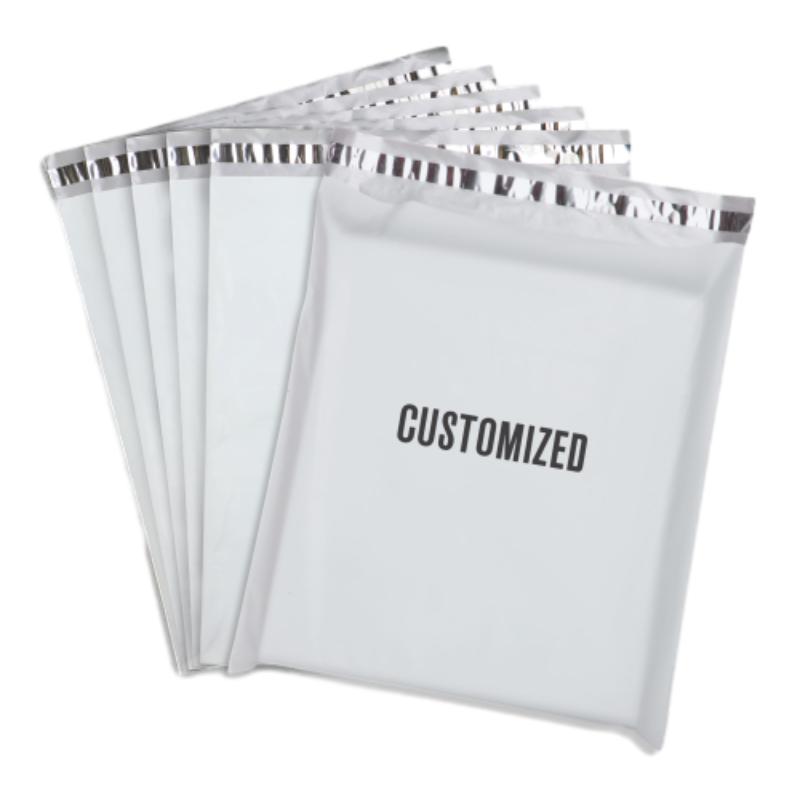
Have the freedom of customizing your custom mailers any way you want! Our dedicated packaging support will help deliver you the mailing experience you need to elevate your shipping experience to the next level! Start making a strong impression on your customers and stand out from your competitors! -
LIYA uses high quality raw materials which directly purchased from large enterprises domestic and overseas such as PetroChina, Sinopec, Sabic, Equate, ExxonMobil, Dow Chemical, Total, and Borouge, ensuring the price advantage and quality of the raw materials. -
LIYA uses high quality raw materials which directly purchased from large enterprises domestic and overseas such as PetroChina, Sinopec, Sabic, Equate, ExxonMobil, Dow Chemical, Total, and Borouge, ensuring the price advantage and quality of the raw materials.
 English
  Arabic
  China
China  French
  Korean
  Russian
  Spanish