Pretty Poly Mailers: Stylish, Durable, and Sustainable Shipping Solutions
Unpacking Pretty Poly Mailers: A Global Packaging Gamechanger
Ever noticed how your online orders often arrive in cheerful, colorful envelopes? Those are usually pretty poly mailers — lightweight, durable, and surprisingly versatile packaging solutions that have quietly revolutionized shipping worldwide. While seemingly humble, these mailers address some pretty big global challenges: reducing shipping damage, improving branding, and even cutting down on excess waste. For anyone in e-commerce, logistics, or sustainability sectors, understanding the role of these mailers means staying ahead in an increasingly competitive and eco-conscious marketplace.
But before you toss that bright orange or pastel pink envelope, consider that globally, the e-commerce parcel volume exceeded 100 billion parcels in 2023 — and most needed some form of protective, visually appealing, and cost-effective packaging. Pretty poly mailers fit that bill perfectly. Yet, the puzzle isn’t just about looking good — it's balancing durability, environmental impact, cost, and user experience. Let’s dive in.
Why Are Pretty Poly Mailers So Relevant Worldwide?
The global boom in parcel delivery has pushed packaging into the spotlight. According to ISO standards and reports by the World Bank, packaging waste accounts for roughly 40% of total municipal solid waste — a staggering figure. Poly mailers, made from polyethylene plastics, offer a lighter-weight alternative to boxes, reducing transport emissions through lower freight weights.
However, traditionally plain poly mailers miss the mark on sustainability and brand appeal. That’s where pretty poly mailers come in: combining visual flair with the technical backbone of polyethylene. They are specifically designed to meet modern e-commerce challenges — easy sealing, tear resistance, weatherproof protection, and yes, marketing punch.
Defining Pretty Poly Mailers
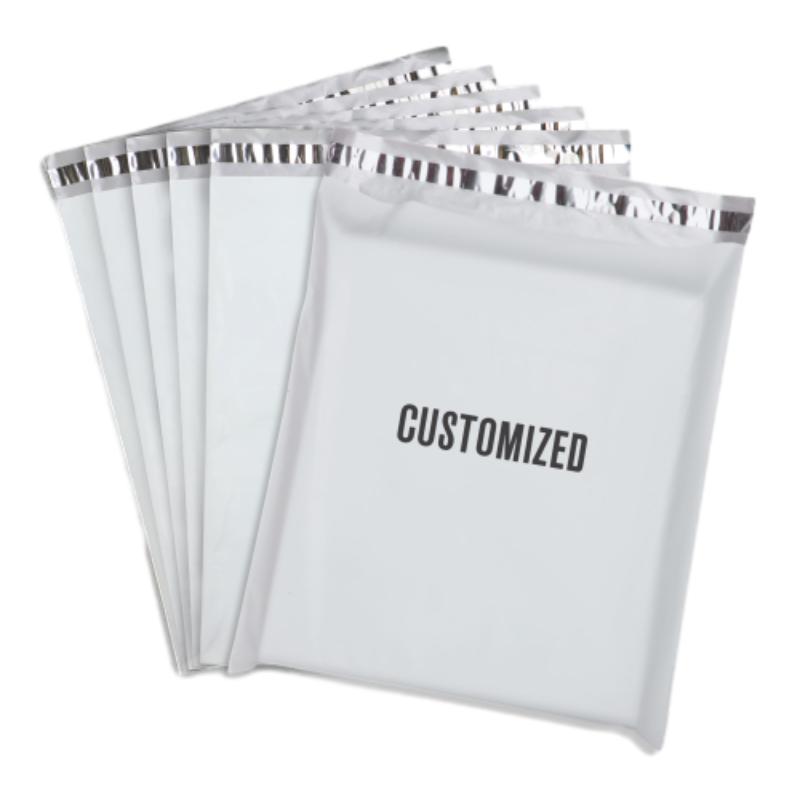
Simply put, pretty poly mailers are polyethylene shipping bags enhanced with colorful prints, patterns, and finishes that make them visually attractive while maintaining core performance. These mailers:
- Use durable plastic films that resist tearing and moisture, protecting contents.
- Feature tamper-evident or self-sealing adhesives for security.
- Include vibrant designs that can carry logos, messaging, or even seasonal themes.
In humanitarian contexts, these mailers assist NGOs in distributing supplies securely and discreetly. For retail, they help brands deliver with style — a small but powerful touchpoint in the customer journey.
Core Components That Make Pretty Poly Mailers Tick
1. Durability
Most pretty poly mailers combine low-density polyethylene (LDPE) or linear low-density polyethylene (LLDPE) to achieve a balance: lightweight yet surprisingly strong. Tear resistance is essential, especially as parcels move through multiple handlers. This robustness lowers shipping damages and returns.
2. Visual Branding & Customization
The “pretty” part reflects advancements in printing technology — from vibrant CMYK prints to metallic finishes or matte coatings. Many companies customize with QR codes, taglines, or clever art. In real terms, these mailers double as mini billboards traveling to customers’ doorsteps.
3. Cost Efficiency
Compared to cardboard boxes or padded envelopes, poly mailers are cheaper to produce and ship due to less weight and no need for filler materials. Bulk ordering and simple shapes keep costs low.
4. Environmental Considerations
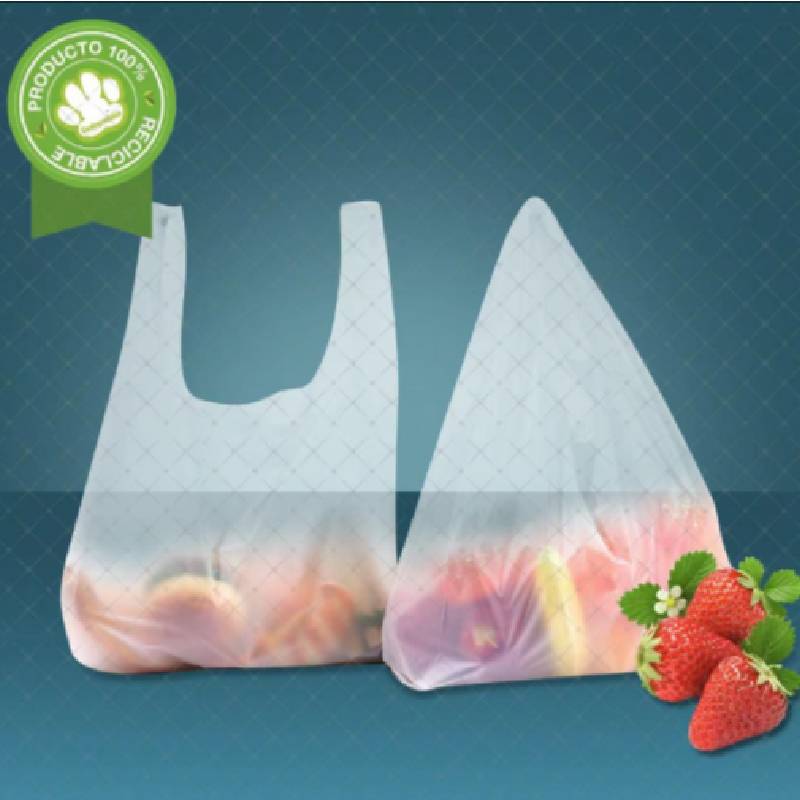
While polyethylene isn’t the most eco-friendly polymer, many vendors now offer recyclable, biodegradable, or compostable options. For example, mailers made with renewable polylactic acid (PLA) blends or featuring recycled content are gaining traction. These solutions contribute to meeting sustainability goals.
5. Security Features
Some mailers come with tamper-evident seals or opaque printing to protect contents and customer privacy. These nuances matter greatly in high-value shipments or sensitive goods.
6. Scalability & Accessibility
The ease of manufacturing and shipping poly mailers means businesses large and small, from startups to global giants, can adopt stylish, effective packaging. Online retail platforms increasingly encourage their use.
Pretty Poly Mailers in Action: Global Use Cases
From bustling urban centers in North America to remote villages in Southeast Asia, these mailers enable quicker, safer delivery of goods ranging from clothing and cosmetics to vital medical supplies.
- Post-disaster relief operations: NGOs prefer poly mailers for distributing hygiene kits and documents quickly and hygienically.
- Fashion retailers in Europe: Use colorful poly mailers to reinforce brand identity while cutting down packaging waste.
- Subscription box companies in the US: Choose customizable mailers for a memorable unboxing experience.
- E-commerce startups in Africa: Benefit from affordable, durable packaging that travels long distances on challenging roads.
For example, EcoStyle, a UK-based cosmetics brand, reported that switching to printed poly mailers boosted customer feedback on packaging by 33%, while reducing transit damage claims by nearly 20% over six months.
What Are the Advantages of Using Pretty Poly Mailers?
- Cost Savings: Lightweight design reduces shipping costs significantly.
- Brand Differentiation: A bright, personalized mailer stands out in crowded mailrooms and doorsteps.
- Sustainability: Advances in polymer science help lower environmental footprints.
- Customer Trust: Secure sealing and tear resistance improve perceptions of professionalism and care.
- Logistical Efficiency: Mailers easily fit narrow spaces and automate well on packing lines.
Emotionally, receiving a well-packaged parcel feels like someone cared — it’s that slight delight many customers remember most.
Product Specification Table: Sample Pretty Poly Mailer
| Feature | Specification |
|---|---|
| Material | Linear Low-Density Polyethylene (LLDPE) |
| Thickness | 3 Mil (0.076 mm) |
| Dimensions | 10" x 13" (25.4 cm x 33 cm) |
| Closure Type | Self-sealing adhesive strip, tamper-evident |
| Print Type | Full-color digital print with UV coating |
| Recyclability | LDPE #4, widely recyclable in curbside programs |
Vendor Comparison: Pretty Poly Mailer Leaders
| Vendor | Customization Options | Sustainability Features | Typical Lead Time | Price Range (per 1000) |
|---|---|---|---|---|
| Liya BioBag | Full-color print, custom sizes & coatings | Compostable & recycled-content mailers | 4-6 weeks | $80 - $110 |
| EcoPack Solutions | Variable sizes, limited print colors | Recyclable LDPE, some biodegradable options | 3-5 weeks | $75 - $95 |
| PrintWrap Co. | High-end prints & embossing available | Mostly virgin LDPE, limited eco options | 5-7 weeks | $90 - $130 |
Looking Ahead: Innovations and Trends in Poly Mailers
It feels like the evolution of poly mailers is just getting started. Increasingly, companies are blending smart materials — like sensors to monitor package temperature — with eco-friendly compositions. We’re also seeing regulatory shifts pushing for bio-based or fully recyclable packaging to reduce landfill impact. Digital print tech is advancing, letting brands create dynamic, limited-edition campaigns directly on their mailers.
Interestingly, automation integration in distribution centers means poly mailers must meet precise dimensional and handling specs, pushing manufacturers to innovate on consistency and strength. And let's not forget, customers demand style alongside sustainability, sometimes making packaging design an actual brand cornerstone.
Common Challenges and How Industry Innovates to Address Them
There are a few sticking points. Poly mailers aren’t perfect — recycling rates for polyethylene still lag behind paper, and confusion about disposal keeps contamination high. Also, cheaper mailers can tear, causing product losses. Some vendors are exploring hybrid composites incorporating plant fibers or adaptive seals.
Advanced coatings now make mailers more compostable without sacrificing durability. And educational marketing campaigns help build consumer awareness about proper recycling. Frankly, it’s a work in progress, but commitment across stakeholders seems strong.
FAQ: Frequently Asked Questions About Pretty Poly Mailers
- What materials make pretty poly mailers durable yet lightweight?
- Most use linear low-density polyethylene (LLDPE) films, which resist tearing and moisture while remaining light enough to cut transport costs.
- Can these mailers be recycled or composted?
- Standard polyethylene mailers fall under LDPE #4 recycling streams, but not all local programs accept them. Compostable versions made with PLA blends are available but need industrial composting facilities.
- How customizable are pretty poly mailers?
- They offer tremendous flexibility: full-color printing, custom sizes, varying thicknesses, and coatings for matte or glossy finishes, allowing brands to tailor packaging to their identity.
- Are tamper-evident seals standard on these mailers?
- Many pretty poly mailers include self-sealing adhesive strips with tamper-evident features to protect product security during transit.
- How does switching to poly mailers impact shipping costs?
- Due to their light weight and space efficiency, poly mailers can reduce shipping fees by 20-30% compared to boxed parcels, especially for clothing or soft goods.
Final Thoughts
In real terms, pretty poly mailers are more than just colorful envelopes — they are a multipurpose tool in the global supply chain’s push for efficiency, brand engagement, and sustainability. They respond to everyday challenges with a blend of chemistry, creativity, and eco-awareness. As online shopping grows, so too does the unseen role of these mailers in shaping customer experiences and reducing environmental impact.
Curious to explore how these mailers can elevate your business? Visit our website for sustainable, customizable options tailored to your brand’s story.
References
-
Secure Shipping Guide with Poly Mailer Bubble Wrap SolutionsNewsApr.16,2026
-
Secure Shipping Guide for Using Durable Bubble Parcel BagsNewsApr.09,2026
-
Comprehensive Guide to Poly Mailer Bubble for Secure and Efficient ShippingNewsApr.07,2026
-
Elevate Your Brand with Custom Designer Bubble Mailers for Effective PackagingNewsApr.04,2026
-
Comprehensive Guide to Poly Mailers with Bubble Wrap for Secure ShippingNewsMar.31,2026
-
Comprehensive Guide to Large Bubble Poly Mailers for Secure and Efficient ShippingNewsMar.28,2026
-
Have the freedom of customizing your custom mailers any way you want! Our dedicated packaging support will help deliver you the mailing experience you need to elevate your shipping experience to the next level! Start making a strong impression on your customers and stand out from your competitors! -
LIYA uses high quality raw materials which directly purchased from large enterprises domestic and overseas such as PetroChina, Sinopec, Sabic, Equate, ExxonMobil, Dow Chemical, Total, and Borouge, ensuring the price advantage and quality of the raw materials. -
LIYA uses high quality raw materials which directly purchased from large enterprises domestic and overseas such as PetroChina, Sinopec, Sabic, Equate, ExxonMobil, Dow Chemical, Total, and Borouge, ensuring the price advantage and quality of the raw materials.
 English
  Arabic
  China
China  French
  Korean
  Russian
  Spanish