Small Bubble Mailers Bulk: Secure, Sustainable Shipping Solutions for Businesses
Small Bubble Mailers Bulk: The Unsung Hero of Secure Shipping
In a world increasingly reliant on e-commerce and fast delivery, the humble small bubble mailers bulk have quietly emerged as indispensable protectors of countless parcels. These lightweight, padded envelopes often get overlooked, but understanding their significance — especially when purchased in bulk — reveals much about how global trade and everyday consumer experiences are shaped.
Introduction: The Global Importance of Bulk Small Bubble Mailers
Shipping packages safely isn’t a new challenge, but the sheer scale has exploded. According to the World Bank, global parcel volumes surged to over 131 billion in 2022 alone. That means billions of items need some kind of protection as they journey through the postal maze.
Enter small bubble mailers bought in bulk: they offer affordability, efficiency, and reliable cushioning designed for a variety of delicate small goods. Without them, many fragile items—think electronics, cosmetics, or even healthcare supplies—might not arrive intact, leading to skyrocketing costs and frustrated customers.
However, the challenge remains: how can businesses and humanitarian organizations secure shipments effectively without creating excessive waste or breaking the bank? This tension underscores growing interest in bulk purchasing options for bubble mailers, combining economy with sustainability.
What Exactly Are Small Bubble Mailers Bought in Bulk?
Simply put, small bubble mailers are padded envelopes lined with air-filled bubble wrap designed to absorb shocks and prevent damage during transit. When purchased in bulk, they become a cost-efficient and readily available packaging solution for companies shipping high volumes of small-sized items.
These mailers aren’t just random padded envelopes — they’re engineered for protection, convenience, and durability. They fit neatly into postal workflows, require no additional packing materials if the item fits well, and often come in recyclable or biodegradable variants—exactly what modern logistics demand.
Notably, humanitarian agencies sometimes rely on bulk supplies of such mailers to ship medical kits or communication equipment swiftly to disaster zones, highlighting their practical reach beyond simple consumer delivery.
Key Factors that Make Small Bubble Mailers Bulk So Vital
1. Durability
It’s easy to underestimate the rigors parcels face. These mailers feature multi-layer polyethylene exteriors and bubble cushioning inside to withstand jostling, minor drops, and compression.
2. Scalability
Buyers ordering small bubble mailers bulk tap into economies of scale and ensure consistent packaging quality. For businesses ramping up during holidays or flash sales, ready stock prevents delays.
3. Cost Efficiency
Purchasing in bulk slashes per-piece cost dramatically, offering small and large businesses alike the chance to protect goods without inflating shipping expenses.
4. Sustainability
Modern small bubble mailers increasingly incorporate recycled materials and opt for recyclable prints and adhesives—signaling a shift toward greener supply chains.
5. Customization
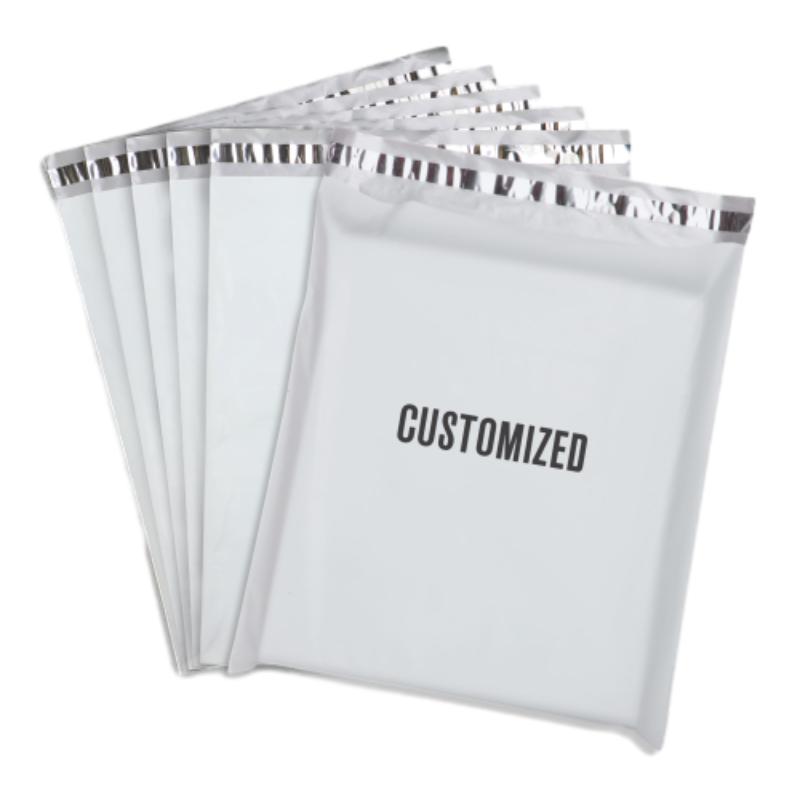
Companies can procure bulk mailers tailored in sizes, thickness, or branding, enhancing both utility and customer experience.
Product Specifications: Typical Small Bubble Mailer Features
| Feature | Specification |
|---|---|
| Size Range | 6x9 to 10x13 inches |
| Material | Low-density polyethylene (LDPE) with bubble lining |
| Bubble Diameter | 6 mm (standard) |
| Closure | Self-adhesive peel & seal strip |
| Color Options | White, Kraft, Black, Custom Printing Available |
Global Applications and Use Cases
From bustling urban e-commerce giants in North America to small artisan exporters in Southeast Asia, bulk small bubble mailers are everywhere. In fact, regions with complex logistics or unreliable postal services especially benefit: these mailers add crucial protection against rough handling.
- Post-disaster relief efforts often rely on bulk mailers to send out medical supplies or communications gear quickly and safely. Organizations like the UN Office for the Coordination of Humanitarian Affairs standardize such packaging to streamline deliveries.
- Remote industrial zones use these mailers to ship sensitive equipment parts that can’t risk damage but must be sent cost-effectively over long distances.
- Small businesses and online retailers save significantly by ordering bulk mailers, using them for shipping handmade crafts, tech gadgets, or luxury samples, all of which demand protective packaging.
Oddly enough, even the medical courier industry employs bulk bubble mailers for diagnostic samples, marrying hygiene with shock absorption.
Advantages and Long-Term Value of Bulk Small Bubble Mailers
There’s an emotional layer to this as well that’s easy to overlook: customers receiving undamaged goods feel trust, safety, even care. For businesses, the cost savings cascade beyond materials — fewer returns, less repackaging, better brand reputation.
Further, the environmental benefits ripple through if buyers choose recycled or compostable bubble mailers. Even though plastics are inherently a concern, many manufacturers innovate to reduce footprint — sometimes blending bio-based liners or thinner blends that meet ISO standards for shipping safety.
All told, investing in small bubble mailers bulk means embracing a sustainable, scalable, and customer-forward shipping strategy.
Vendor Comparison: Choosing the Right Bulk Small Bubble Mailer Supplier
| Supplier | Price per 100 pcs | Materials (Recycled %) | Customization Available | Lead Time |
|---|---|---|---|---|
| Liya BioBag Co. | $45 | 70% | Yes | 10 days |
| GreenPack Solutions | $50 | 85% | Limited | 14 days |
| ShipSafe Direct | $42 | 50% | Yes | 7 days |
Future Trends & Innovations in Bulk Bubble Mailers
Looking ahead, automation in packaging lines will improve the speed at which bulk mailers are sealed and labeled, shaving time and errors. Innovations in biodegradable films promise to address plastic waste grievances further. For instance, some companies explore mushroom-based or plant-fiber padding to replace traditional air bubbles.
Digital transformation also penetrates packaging: QR codes printed on bubble mailers are becoming more common, linking customers to tracking, product info, or return protocols—a neat blend of physical and digital customer service.
Challenges & Expert Solutions
One sticking point is the environmental toll of plastic-based bubble mailers. While recycling rates improve, many customers don’t have access to proper facilities. Experts advocate for educating supply chains on responsible disposal and investing in compostable alternatives.
Another issue is standardization. Bulk buying sometimes means dealing with minimum order quantities or sacrificing some agility in size and type selection. The solution? Partnering with vendors offering mixed lot purchasing or variable sizing packs.
FAQ: Frequently Asked Questions About Small Bubble Mailers Bulk
- Q1: How durable are small bubble mailers when shipped in bulk quantities?
- A1: Very durable for most small, lightweight goods. The air bubbles inside absorb shocks, protecting fragile items during transit. Bulk purchasing doesn’t affect durability but ensures buyers have consistent-quality mailers throughout their operations.
- Q2: Are there environmentally friendly options for bubble mailers bought in bulk?
- A2: Yes, many manufacturers now produce bubble mailers using recycled materials or compostable films. When buying bulk, check certifications like ISO 14001 or inquire about post-consumer recycled (PCR) content.
- Q3: Can small bubble mailers be customized if ordered in bulk?
- A3: Indeed, bulk ordering often unlocks the option for custom sizes, prints, and branding, which can enhance packaging aesthetics and customer experience.
- Q4: Why should a business buy bubble mailers in bulk rather than small quantities?
- A4: Bulk purchasing reduces cost per piece, ensures packaging consistency, and helps prevent stockouts during busy periods, leading to smoother operation and cost savings over time.
- Q5: How do bubble mailers aid in humanitarian logistics?
- A5: They protect critical supplies like medicines and communication devices, which are often sent to harsh or unstable environments. Their lightweight design cuts shipping costs, speeding aid delivery.
Conclusion: Why Bulk Small Bubble Mailers Matter — Now & Tomorrow
When you think about it, the unassuming bubble mailer turns out to be a small but mighty piece in the vast logistics puzzle. Buying small bubble mailers bulk offers businesses, NGOs, and individuals a smart combination of protection, economy, and environmental consideration. If you’re curious to explore options tailored to your needs, visit small bubble mailers bulk for quality products and competitive pricing.
Here’s a neat takeaway: sometimes the smallest packaging choices ripple into the biggest global impacts.
References:
-
Secure Shipping Guide with Poly Mailer Bubble Wrap SolutionsNewsApr.16,2026
-
Secure Shipping Guide for Using Durable Bubble Parcel BagsNewsApr.09,2026
-
Comprehensive Guide to Poly Mailer Bubble for Secure and Efficient ShippingNewsApr.07,2026
-
Elevate Your Brand with Custom Designer Bubble Mailers for Effective PackagingNewsApr.04,2026
-
Comprehensive Guide to Poly Mailers with Bubble Wrap for Secure ShippingNewsMar.31,2026
-
Comprehensive Guide to Large Bubble Poly Mailers for Secure and Efficient ShippingNewsMar.28,2026
-
Have the freedom of customizing your custom mailers any way you want! Our dedicated packaging support will help deliver you the mailing experience you need to elevate your shipping experience to the next level! Start making a strong impression on your customers and stand out from your competitors! -
LIYA uses high quality raw materials which directly purchased from large enterprises domestic and overseas such as PetroChina, Sinopec, Sabic, Equate, ExxonMobil, Dow Chemical, Total, and Borouge, ensuring the price advantage and quality of the raw materials. -
LIYA uses high quality raw materials which directly purchased from large enterprises domestic and overseas such as PetroChina, Sinopec, Sabic, Equate, ExxonMobil, Dow Chemical, Total, and Borouge, ensuring the price advantage and quality of the raw materials.
 English
  Arabic
  China
China  French
  Korean
  Russian
  Spanish