Small Plastic Shipping Bags – Durable, Sustainable Packaging Solutions
Why Small Plastic Shipping Bags Matter in Today’s Global Landscape
Small plastic shipping bags might sound like an everyday item—almost mundane—but their impact extends much farther than your average packaging solution. In a world where trade, shipping logistics, humanitarian aid, and e-commerce blend seamlessly, understanding these little workhorses is crucial. Not only do they secure goods, but they also influence environmental sustainability, cost control, and supply chain efficiency worldwide. Frankly, with global trade volumes hitting roughly 18 trillion dollars (World Bank, 2023), the role of efficient packaging—like small plastic shipping bags—cannot be underestimated.
So, beyond just looking plain and practical, these bags are part of a complex web that touches industries from advanced manufacturing to disaster relief. Today, I want to walk you through why they're important, what makes a good small plastic shipping bag, and some emerging trends bringing fresh air to this old staple.
The Global Context: Small Plastic Shipping Bags on the World Stage
According to the United Nations Environment Programme, over 300 million tons of plastic are produced annually worldwide, with packaging making up nearly 40% of that. That’s a staggering volume, especially when you consider the sheer diversity of goods requiring shipment every day. Small plastic shipping bags serve as a frontline solution for packaging and protecting small to medium items—think electronics parts, pharmaceuticals, or seeds shipped across continents.
Yet, challenges abound. Plastic waste accumulation, logistics inefficiencies, and rising manufacturing costs pose serious questions. Small plastic shipping bags help alleviate some problems by being lightweight and cost-efficient — they reduce freight weight and protect products from damage and contamination. It’s also worth noting the ISO standards that influence quality controls here (ISO 3826-1 for plastics packaging, for instance).
Mini takeaway: In real terms, small plastic shipping bags are a quiet giant of global trade, linking thousands of supply chains, creating economic ripples everywhere.
What Exactly Are Small Plastic Shipping Bags?
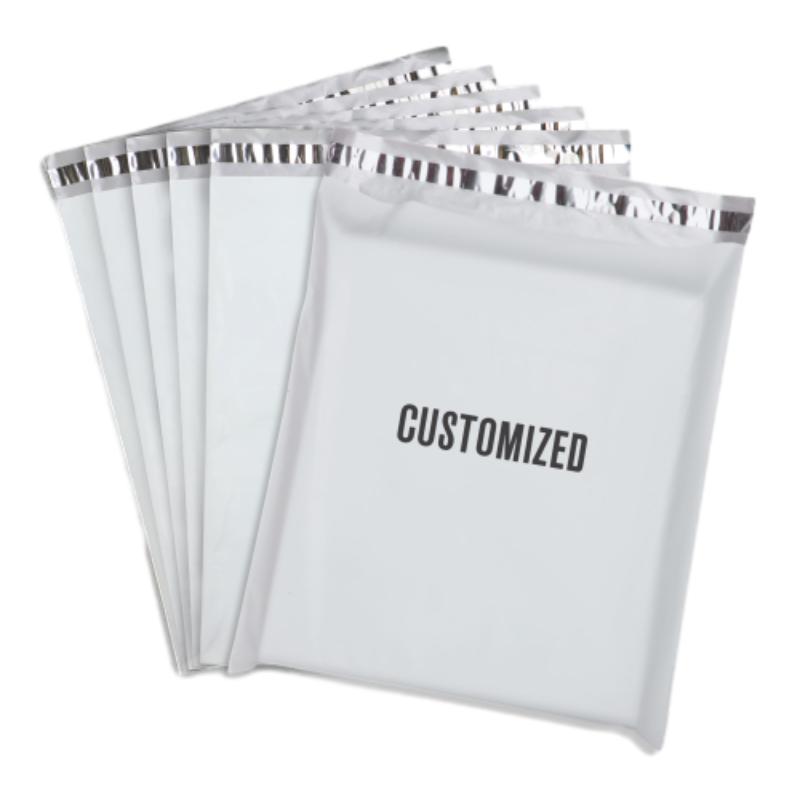
Simply put, small plastic shipping bags are flexible plastic pouches designed expressly for packaging and shipping smaller items. Often crafted from polyethylene (PE), polypropylene (PP), or even bio-based plastics, these bags come in various sizes—usually under 12 inches in width or height—and may feature resealable zippers, tamper-evident seals, or even custom printing.
In modern industry, these bags pack and protect spare parts, medical supplies, and many other valuable commodities. They are also vital in humanitarian efforts, helping safeguard sensitive aid items during transit. Oddly enough, they combine a low-key profile with high-stakes functionality.
Mini takeaway: Think of these small bags as humble but essential agents of protection; without them, logistics and supply chain safety would be far shakier.
Core Components That Make Small Plastic Shipping Bags Work
Durability & Protection
It’s a common expectation but deserves emphasis: durability is paramount. These bags must resist punctures, tears, and moisture. That's why thickness and polymer blend matter—a bag too thin invites damage or contamination, and too thick can jack up costs.
Size & Scalability
The "small" in small plastic shipping bags isn’t just a size label; it influences how adaptable a bag is across different industries. Scalability relates to how well manufacturers can produce a variety of sizes or add features like custom printing or anti-static properties without breaking the bank.
Cost Efficiency
In an industry where suppliers often juggle tight margins, cost-efficiency keeps shipping competitive. These bags are lightweight, which reduces bulk shipping fees, and inexpensive to produce en masse.
Environmental Impact & Sustainability
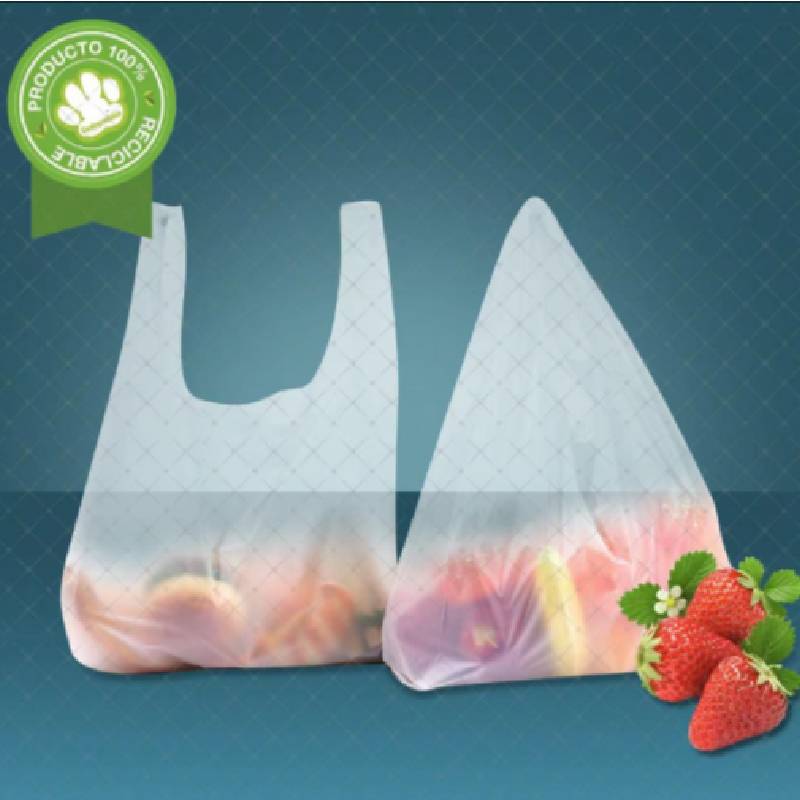
Perhaps the most contentious factor these days is sustainability. Increasingly, small plastic shipping bags are made with recycled content or biodegradable materials. Some even incorporate compostable polymers compliant with EN 13432 standards.
Customization & Security Features
From tamper-evident seals to QR-coded labels, customization adds layers of security and traceability, meeting the needs of sensitive shipments. This is particularly critical in pharma and electronics sectors.
Mini takeaway: Balancing durability, cost, environmental responsibility, and security is a challenging, but essential, juggling act in bag design.
Real-World Use Cases for Small Plastic Shipping Bags
The applications stretch far and wide.
- Humanitarian Aid: Post-disaster relief agencies rely heavily on small plastic bags to safely distribute medicines and hygiene kits in unpredictable environments.
- E-Commerce & Retail: Online sellers use these bags to ship everything from jewelry to tech accessories—providing protection without extra bulk.
- Industrial & Manufacturing: Factories use small plastic shipping bags to protect machine parts and components during transit or storage.
- Seed & Agricultural Industries: Secure, moisture-resistant bags safeguard agricultural seeds for export and planting.
For example, NGOs operating in Southeast Asia found small plastic shipping bags essential in last year's typhoon relief, delivering medical supplies without contamination—a small product choice with a big impact.
Mini takeaway: Small plastic shipping bags aren’t niche stuff—they’re vital connectors across many crucial sectors worldwide.
The Advantages and Long-Term Benefits of Small Plastic Shipping Bags
At face value, the appeal is obvious: low cost and product safety are immediate benefits. But when you dig deeper, long-term sustainability, customer trust through tamper protection, and the emotional security of reliable delivery quietly emerge.
From a logistics manager’s point of view, these bags simplify inventory and handling. From a buyer’s perspective, they ensure that what arrives looks fresh, safe, and unmolested. And on a societal scale, when bags integrate recycled content and biodegradability, they help reduce plastic's ecological footprint—although, admittedly, it’s a slow journey.
Mini takeaway: Small plastic shipping bags combine the practical with the ethical—a small package with a lot of promise.
Looking Ahead: Trends Shaping the Future of Small Plastic Shipping Bags
The future feels exciting—or at least, intriguing. There's a rising wave of innovation aimed at greener materials like polylactic acid (PLA) and other bio-polymers. Automation is impacting production units, allowing for faster run cycles and finer customization.
Digital print technologies also allow brands to enhance traceability with embedded QR codes or NFC chips. Regulations, like the EU’s new directive on single-use plastics, nudge manufacturers to rethink design for recyclability.
Finally, we can't ignore the buzz around circular economy strategies, encouraging reuse or efficient recycling of plastic bags, which—let’s be honest—is a big step from where we started.
Mini takeaway: Technology and sustainability trends are pushing small plastic shipping bags into a smarter, greener future.
Challenges and The Way Forward
Not everything is rosy, though. Plastic waste remains a huge environmental concern. Even with biodegradables, contamination issues and unclear recycling processes pose difficulties. Also, cost pressures sometimes limit manufacturer flexibility in adopting premium sustainable materials.
Industry experts advocate for improved standards in recycling infrastructure and investment in research for novel polymers. Some interesting pilot programs explore integrating antimicrobial coatings or multi-layer polymers to reduce the amount of plastic used without losing protective benefits.
In a nutshell, tackling environmental and functional challenges in small plastic shipping bags is a collective effort that needs coordination across manufacturers, regulators, and users alike.
Mini takeaway: Addressing eco-challenges demands innovation plus collaboration—and it's happening, slowly but surely.
Product Specification Table: Typical Small Plastic Shipping Bags
| Feature | Specification | Remarks |
|---|---|---|
| Material | Low-density polyethylene (LDPE) or biodegradable PLA | Standard or eco-friendly variants |
| Thickness | 40–100 microns | Balance between durability and flexibility |
| Size Range | 50 mm x 75 mm up to 300 mm x 400 mm | Covers many small shipping needs |
| Closure Type | Resealable zipper, heat seal, or self-adhesive strip | Tailored for reuse or single use |
| Customization | Printed logos, QR codes, tamper-evident seals | Security and branding |
| Compliance | ISO standards (e.g., ISO 3826-1), EN 13432 for compostability | Ensures quality and eco-compatibility |
Vendor Comparison: Leading Small Plastic Shipping Bag Suppliers
| Vendor | Material Options | Customization | Sustainability Initiatives | Average Lead Time |
|---|---|---|---|---|
| Liya Biobag | PLA, recycled LDPE | Full-color print; tamper-seals | Compostable lines; zero-waste production | 10–14 days |
| ClearPack Inc. | Standard LDPE | Basic logo printing | Limited recycled-content runs | 7–10 days |
| EcoSeal Bags | Bio-based PLA, paper composite | QR-code enabled; tamper-evident | Certified compostable; circular initiatives | 14–20 days |
Frequently Asked Questions About Small Plastic Shipping Bags
Small plastic shipping bags reduce package bulk and weight, which lowers shipping costs and minimizes handling errors. Their flexibility allows for easy packing of irregular shapes, optimizing container space use.
Traditional plastic bags pose environmental risks but many manufacturers now produce biodegradable or recycled-material variants that comply with industry standards like EN 13432, reducing ecological impact significantly.
Definitely. Clients can add features like tamper-evident seals, printed branding, QR codes, or anti-static layers, making these bags suitable for sectors like pharmaceuticals, electronics, and food.
International standards such as ISO 3826-1 and EN 13432 govern material quality, sealing durability, and compostability, ensuring bags meet performance and environmental expectations.
Conclusion: Why Investing in the Right Small Plastic Shipping Bags Pays Off
Small plastic shipping bags are more than just packaging; they are enablers of global commerce, innovation hubs for sustainable materials, and practical answers to the everyday challenges of product protection. Companies and consumers alike benefit from carefully selected bag solutions that balance durability, cost, and sustainability.
If you want to explore options that tick all these boxes, I suggest checking out small plastic shipping bags from trusted suppliers who lead in innovation and eco-conscious practices.
References
- UN Environment Programme. (2023). Plastic Production and Sustainability. www.unep.org
- World Bank. (2023). Global Trade Trends Data. data.worldbank.org
- ISO. (2022). ISO 3826-1 Plastics Packaging Standards. www.iso.org
-
Secure Shipping Guide with Poly Mailer Bubble Wrap SolutionsNewsApr.16,2026
-
Secure Shipping Guide for Using Durable Bubble Parcel BagsNewsApr.09,2026
-
Comprehensive Guide to Poly Mailer Bubble for Secure and Efficient ShippingNewsApr.07,2026
-
Elevate Your Brand with Custom Designer Bubble Mailers for Effective PackagingNewsApr.04,2026
-
Comprehensive Guide to Poly Mailers with Bubble Wrap for Secure ShippingNewsMar.31,2026
-
Comprehensive Guide to Large Bubble Poly Mailers for Secure and Efficient ShippingNewsMar.28,2026
-
Have the freedom of customizing your custom mailers any way you want! Our dedicated packaging support will help deliver you the mailing experience you need to elevate your shipping experience to the next level! Start making a strong impression on your customers and stand out from your competitors! -
LIYA uses high quality raw materials which directly purchased from large enterprises domestic and overseas such as PetroChina, Sinopec, Sabic, Equate, ExxonMobil, Dow Chemical, Total, and Borouge, ensuring the price advantage and quality of the raw materials. -
LIYA uses high quality raw materials which directly purchased from large enterprises domestic and overseas such as PetroChina, Sinopec, Sabic, Equate, ExxonMobil, Dow Chemical, Total, and Borouge, ensuring the price advantage and quality of the raw materials.

 English
  Arabic
  China
China  French
  Korean
  Russian
  Spanish