Sustainable & Durable Recycled Plastic Mailing Bags for Eco-Friendly Shipping
Why Recycled Plastic Mailing Bags Matter in Today’s Global Marketplace
If you’ve ever ordered anything online — and who hasn’t in the last decade? — there’s a good chance your package arrived in a plastic mailing bag. Now, imagine if those bags left a smaller footprint on the planet. That’s where recycled plastic mailing bags come in. More than just a packaging choice, they represent a tiny but meaningful step toward reducing plastic waste globally. Given how the UN points out that plastic waste in oceans could triple by 2040 without intervention, shifting to recycled materials is not just smart—it’s essential.
So what exactly are these bags, why are they increasingly relevant across industries worldwide, and what does embracing them really mean? Let’s take a close look.
The Global Context: Meeting Environmental and Economic Challenges
According to recent data from the United Nations Environment Programme (UNEP), over 300 million tons of plastic are produced annually, but only a fraction is recycled. A large percentage ends up clogging landfills or polluting natural habitats. The e-commerce explosion—with shipments soaring by almost 50% in the last five years alone—has created an urgent call for more sustainable packaging. Obviously, cardboard boxes can be bulky and more costly to ship; thinner, lighter, and recyclable alternatives like plastic mailing bags have stepped in. But “plastic” still triggers alarm bells for sustainability advocates.
Enter recycled plastic mailing bags: bags produced not from virgin plastic resin but from reclaimed plastic waste, often polyethylene (PE). This shift helps close the loop on single-use plastic, reducing dependence on new fossil fuel resources and curbing landfill volume. Industries and humanitarian programs alike are realizing their practical potential—and eco benefits—using these bags.
What Are Recycled Plastic Mailing Bags?
At its core, a recycled plastic mailing bag is a lightweight, flexible pouch made predominantly from recycled polyethylene or polypropylene resins. These materials come from post-consumer plastic products—think old grocery bags, discarded packaging, or industrial scrap—that are cleaned, processed, and reformed into usable film. When fashioned into mailing bags, they offer an effective barrier against moisture and dirt, while being strong enough to protect contents during transit.
The applications aren’t only commercial; in disaster relief and humanitarian distribution, for instance, these bags provide cheap, durable, and eco-friendly ways to ship essential supplies worldwide. So, it’s not just about saving trees — although a reduction in paper-based packaging is often a side effect — it’s also about cyclical resource use and social impact.
Key Features of Recycled Plastic Mailing Bags
Durability and Protection
Many engineers say recycled plastic films can match or sometimes exceed virgin counterparts in tear resistance and puncture strength, especially when multi-layer films are used. This means items inside stay safe without needing extra bulky packaging.
Cost Efficiency
Often lighter and more compact than alternative packaging, these bags reduce both shipping weight and volume. Over large shipment volumes, businesses notice meaningful savings. Plus, recycled materials generally cost less, assuming stable supply chains.
Eco-Friendliness
By diverting plastic waste from landfill and oceans, recycled mailing bags lower the carbon footprint of shipment cycles. The International Organization for Standardization (ISO) recently highlighted environmental management standards for plastics, boosting credibility for recycled goods.
Customization and Branding
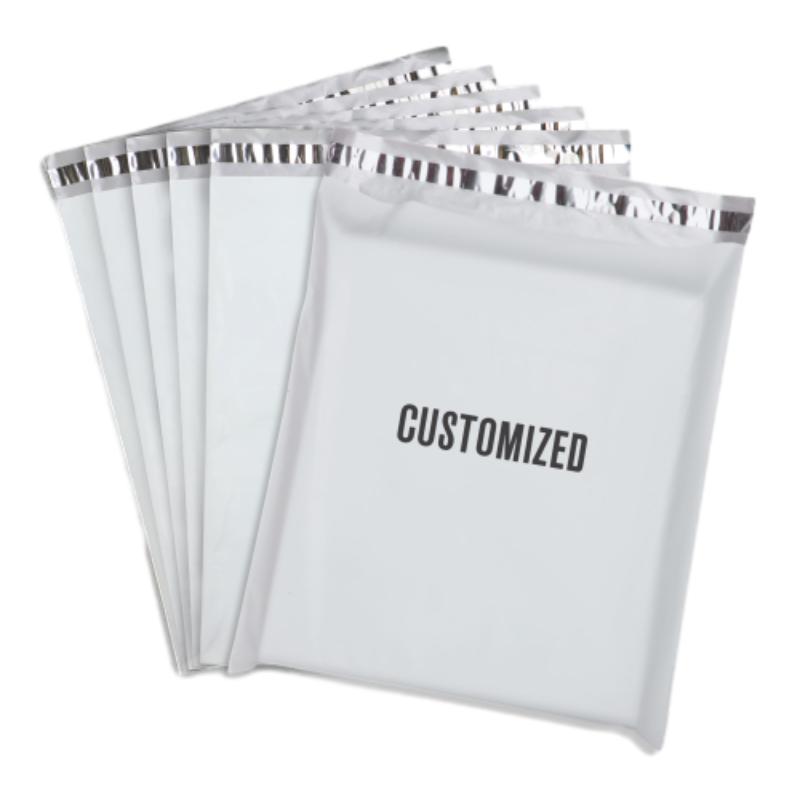
These bags can be printed in full color and tailored in size/thickness to meet diverse industry needs—from fashion labels to electronic parts suppliers. This branding opportunity helps companies communicate their sustainability commitment directly to consumers.
Recyclability After Use
Ideally, many bags themselves remain recyclable post-consumer if disposed properly, creating a virtuous cycle. Though the catch is ensuring infrastructure and public awareness keeps pace, meaning some regions fare better than others.
| Specification | Typical Range | Notes |
|---|---|---|
| Material Composition | 80–100% recycled PE/PP | Depends on source & quality |
| Thickness | 40–100 microns | Customizable for strength |
| Seal Type | Self-adhesive strip or heat seal | Varies by security need |
| Dimensions | 100x150 mm to 500x700 mm | Made-to-order options |
| Color Options | Clear, white, custom prints | Brand visibility & messaging |
Mini takeaway: Recycled plastic mailing bags blend resilience with eco-consciousness and allow companies to align pricing and brand ethics smartly.
Global Use Cases: More Than Just E-commerce Packaging
You might first think of Amazon or Alibaba orders shipped in these bags, but it’s far broader. For example:
- Humanitarian aid: Organizations delivering medical supplies and hygiene kits to remote or disaster-affected areas rely on durable, light packaging. The robustness prevents spoilage or contamination in harsh conditions.
- Fashion industry: Many sustainable brands are packaging garments in recycled plastic mailing bags to maintain a green image and reduce their overall carbon footprint.
- Electronics and parts suppliers: Small components shipped globally benefit from the protective, moisture-resistant qualities of these bags.
- Postal and courier services: Governments and private logistics companies increasingly opt for these bags, especially in regions with strong recycling programs like the EU or Japan.
In real terms, a relief NGO in Southeast Asia disclosed that switching to recycled plastic mailing bags saved 20% in packaging costs while boosting their environmental profile in donor reports.
Comparing Leading Vendors of Recycled Plastic Mailing Bags
| Vendor | Material Quality | Customization | Eco Certifications | Price Range |
|---|---|---|---|---|
| Liya Biobag | High (90–100% recycled content) | Full size & print options | ISO 14001, FSC | Competitive |
| EcoPack Global | Moderate (70–85%) | Limited colors | None certified yet | Low cost |
| GreenMail Bags | High (85–95%) | Standard sizes only | Global Recycled Standard | Mid-tier |
Advantages and Lasting Value of Recycled Plastic Mailing Bags
Beyond the obvious eco-win, these bags offer:
- Lower shipping costs due to lighter weight and compactness.
- Enhanced brand loyalty among environmentally conscious consumers.
- Reduced landfill impact, easing government regulations pressure.
- Improved safety and hygiene thanks to water and bacteria resistance.
And frankly, in a world where consumers are scrutinizing everything from product sourcing to packaging, companies using these bags tell a story of innovation and care. There’s a certain satisfaction in knowing your package wasn’t just thrown in a plastic bag but sent inside something consciously crafted.
Looking Ahead: Trends Shaping the Future of Recycled Mailing Bags
The packaging world is evolving rapidly. You’ll spot innovations such as:
- Bio-based additives making bags partially compostable.
- Smart packaging embedding QR codes to track lifecycle or reuse.
- Automation in production lowering costs and boosting consistency.
- Stronger regulations pushing mandatory recycled content thresholds.
Ultimately, the push toward net-zero emissions and circular economies means recycled plastic mailing bags are more than a trend—they’re becoming the industry baseline.
Overcoming Challenges in Adoption
It’s not all smooth sailing. Some challenges include uneven availability of quality recycled materials, potential smell or impurities during production, and limited consumer recycling education. Logistic issues in lower-income regions also hamper closed-loop recycling.
Experts suggest partnering closely with certified suppliers, investing in R&D for better purification processes, and launching consumer awareness campaigns as key steps forward. Luckily, many leading vendors now provide technical support and sustainability consulting to bridge these gaps.
FAQs: Your Questions About Recycled Plastic Mailing Bags Answered
Q1: How durable are recycled plastic mailing bags compared to new plastic bags?
They are often equally durable, thanks to improved recycling and production technologies. Multi-layer films and enhanced sealing keep package security intact. However, quality varies by vendor, so specifying standards (like puncture resistance) is wise.
Q2: Can recycled plastic mailing bags be recycled again after use?
In many cases, yes—if collected and processed properly. The bags are usually made from common polymers like LDPE or HDPE, which recycling programs widely accept. But consumer disposal habits and regional infrastructure crucially affect this cycle.
Q3: Are these mailing bags costlier than conventional plastic bags?
Surprisingly, they can be cost-competitive or even cheaper over large volumes, especially when factoring in shipping savings and brand value. The exact price depends on recycled content ratio, customization, and order quantity.
Q4: Is print quality on recycled plastic mailing bags as good as on virgin plastic?
Advances in printing on recycled plastics enable vibrant, detailed graphics—often no different from virgin films. That said, complex or specialty inks may require testing for durability.
Q5: Where can I find suppliers for high-quality recycled plastic mailing bags?
Look for vendors with proven certifications (ISO 14001, Global Recycled Standard) and customizable offerings. Businesses like Liya Biobag provide extensive options and consultative support.
Wrapping Up: The Long-Term Payoff of Sustainable Packaging
Adopting recycled plastic mailing bags is more than just eco-friendly—it’s a strategic win. They streamline costs, boost brand reputation, and help tackle the formidable plastic pollution challenge. It’s a small package carrying a large message about our shared future.
Curious to make the switch or learn more? Check out our range of recycled plastic mailing bags and see how your business can step into sustainable shipping today.
Mini takeaway: Sometimes, the simplest changes can ripple far. Recycled plastic mailing bags are already part of that wave.
References:
-
Secure Shipping Guide with Poly Mailer Bubble Wrap SolutionsNewsApr.16,2026
-
Secure Shipping Guide for Using Durable Bubble Parcel BagsNewsApr.09,2026
-
Comprehensive Guide to Poly Mailer Bubble for Secure and Efficient ShippingNewsApr.07,2026
-
Elevate Your Brand with Custom Designer Bubble Mailers for Effective PackagingNewsApr.04,2026
-
Comprehensive Guide to Poly Mailers with Bubble Wrap for Secure ShippingNewsMar.31,2026
-
Comprehensive Guide to Large Bubble Poly Mailers for Secure and Efficient ShippingNewsMar.28,2026
-
Have the freedom of customizing your custom mailers any way you want! Our dedicated packaging support will help deliver you the mailing experience you need to elevate your shipping experience to the next level! Start making a strong impression on your customers and stand out from your competitors! -
LIYA uses high quality raw materials which directly purchased from large enterprises domestic and overseas such as PetroChina, Sinopec, Sabic, Equate, ExxonMobil, Dow Chemical, Total, and Borouge, ensuring the price advantage and quality of the raw materials. -
LIYA uses high quality raw materials which directly purchased from large enterprises domestic and overseas such as PetroChina, Sinopec, Sabic, Equate, ExxonMobil, Dow Chemical, Total, and Borouge, ensuring the price advantage and quality of the raw materials.
 English
  Arabic
  China
China  French
  Korean
  Russian
  Spanish