Sustainable Postage Bags Biodegradable | Eco-friendly Mailing Solutions
What Are Postage Bags Biodegradable and Why They Matter
It’s intriguing how a simple item like a postage bag can have a significant global impact. Postage bags biodegradable aren't just your average mail carriers; they're the eco-friendly solution addressing one of the planet’s biggest problems — plastic pollution.
In a world where most parcels arrive wrapped in plastic that can linger for hundreds of years, using biodegradable postage bags mitigates the environmental burden. This shift matters not only for planetary health but also for businesses adopting responsible packaging practices.
The Rising Global Demand for Sustainable Postage Solutions
Globally, the packaging industry is under pressure to cut back on single-use plastics. According to the United Nations Environment Programme, around 300 million tons of plastic are produced yearly; a large portion ends up as waste impacting land and oceans. Postage bags biodegradable became a critical sector as e-commerce boomed — the World Bank reported e-commerce had a pandemic-driven surge with millions now ordering goods online monthly.
So what’s the core challenge? Finding packaging that protects goods during shipping but breaks down harmlessly afterward without toxic residues. That's where postage bags biodegradable come in, designed to dissolve into the environment, reducing landfill overflow and marine pollution.
Defining Postage Bags Biodegradable in Practical Terms
Put simply, these are mailing bags made from materials that decompose naturally via biological processes, mostly by microbes, within a short timeframe under typical environmental conditions. Unlike traditional polyethylene-based bags, which last centuries, biodegradable postage bags might break down in months.
In humanitarian terms, they’re invaluable — especially in post-disaster relief where fast, eco-friendly packaging for supplies minimizes environmental footprints in sensitive zones. Technologically, they often use plant-based polymers, starch blends, or special compostable plastics compliant with international norms like ISO 17088.
Key Factors that Make These Bags Effective
Durability vs. Degradability
It seems contradictory, but these bags must be tough enough for shipping yet degrade quickly after disposal. Most use enhanced starch or polylactic acid (PLA) for this balance.
Cost Efficiency
Biodegradable materials generally cost more than regular plastics, but decreasing production costs and greater demand have narrowed the gap. Plus, many businesses consider long-term eco-branding wins worth the premium.
Scalability & Supply Chain Compatibility
Since these bags must fit existing shipping lines, they come in standard sizes, with compatibility for printers and sealing machines. That ease of integration makes adoption smoother.
Certifications & Standards Compliance
To guarantee genuine biodegradability, third-party certifications help. Look for ASTM D6400 or EN 13432 labels on bags to assure you’re investing in truly compostable products.
Common Specifications of Popular Postage Bags Biodegradable
| Specification | Typical Range | Material Examples |
|---|---|---|
| Thickness | 30 - 80 microns | PLA blends, starch composites |
| Degradation Time | 3 - 6 months (industrial compost) | Biodegradable polymers |
| Tensile Strength | 18 - 28 MPa | PLA, PBAT blends |
| Printing Compatibility | Yes (water-based inks) | Natural films |
Who’s Using Postage Bags Biodegradable? Global Applications
Practically everywhere eco-conscious packaging gains ground. E-commerce giants in North America and Europe increasingly package orders in compostable bags as new regulations demand sustainable alternatives. In Asia Pacific, growing environmental awareness spurs similar shifts.
Relief organizations like the Red Cross use biodegradable postage bags during crisis deployment to limit long-term landfill impact. Likewise, niche fashion brands incorporate such bags to enhance their green credentials. It feels like varied sectors are figuring out how these mailers boost their brand AND the planet.
Advantages Beyond the Obvious
- Environmental Impact: Naturally reduces plastic waste drastically.
- Corporate Social Responsibility: Builds consumer trust and loyalty.
- Cost Savings Over Time: Less landfill fees, potential tax incentives.
- Innovation Appeal: Brands seen as forward-thinking and ethical.
On a more personal level, there’s something satisfying about knowing your package won't haunt the earth for centuries. It adds a layer of dignity and humility to commerce, oddly enough.
Emerging Trends Shaping the Future
Innovation doesn’t stop — expect postage bags biodegradable enhanced with nanotechnology for strength, additives that accelerate composting, and fully digital tracking for lifecycle transparency. Governments worldwide are drafting tougher environmental packaging laws, forcing quicker adoption.
Renewable materials from algae or mushrooms are also in R&D pipelines. Meanwhile, automation lines are getting smarter, adapting to eco-packaging seamlessly.
Challenges and How Industries Are Tackling Them
Cost remains the biggest hurdle, plus concerns about composting infrastructure in some regions where biodegradable waste ends up in landfill anyway — which defeats the purpose. Experts say educating consumers and improving waste sorting technology is key.
Additionally, durability concerns have prompted development of new polymer blends balancing strength with biodegradability, plus advances in water-based inks avoiding harmful chemicals.
Vendor Comparison for Postage Bags Biodegradable
| Vendor | Material Type | Price Range (per 100 units) | Certifications | Eco Features |
|---|---|---|---|---|
| Liya BioBag | PLA + Starch Blend | $45 - $60 | ISO 17088, ASTM D6400 | Compostable, Water-soluble inks |
| EcoPack Solutions | PBAT + PLA | $50 - $70 | EN 13432, BPI Certified | Industrial Compostable, Recyclable |
| GreenShip Packaging | Starch-based Polymer | $40 - $65 | ISO 17088 | Compostable, Biodegradable, Renewable |
Frequently Asked Questions About Postage Bags Biodegradable
1. How long do biodegradable postage bags take to break down?
Typically, such bags decompose within 3 to 6 months in industrial composting environments. Home composting might take longer. But they degrade significantly faster than conventional plastic, which can last hundreds of years.
2. Are biodegradable postage bags as durable as traditional plastic bags?
While they’re designed to withstand normal shipping stresses, biodegradable bags may have slightly less tensile strength than traditional polyethylene. However, technological advances in polymer blends have narrowed this gap considerably.
3. Can biodegradeable postage bags be recycled?
Generally no — because they’re designed to break down rather than be reprocessed. Mixing them with plastic recycling streams can contaminate the batch. It’s best to compost these bags where facilities exist.
4. Are these bags safe for food shipments?
Yes, many biodegradable postage bags meet food safety standards and are non-toxic. Always check specific product certifications, but most suppliers provide safe options for food packaging.
5. How can small businesses source dependable biodegradable postage bags?
They can start by contacting certified suppliers like postage bags biodegradable specialists, comparing pricing and material specs to find options that balance cost and eco-friendliness.
Wrapping It Up: Why Switch to Postage Bags Biodegradable?
Looking at all the facets — the environmental, social, and practical — biodegradable postage bags feel like a no-brainer for forward-thinking businesses. They reduce lasting pollution, resonate with consumers seeking greener choices, and keep packaging evolving for tomorrow’s challenges.
Of course, the journey isn’t perfect yet — cost hurdles and infrastructure gaps persist. But the winds of change are strong, and firms adopting these green mail bags early are setting themselves up for lasting positive impact.
Ready to make the move? Visit our website for the latest in postage bags biodegradable designed with care and quality.
Quick Takeaway:
It’s not just packaging — it’s a statement about responsibility and innovation. Your mail bag can be a small hero in the fight against pollution.
References
-
Secure Shipping Guide with Poly Mailer Bubble Wrap SolutionsNewsApr.16,2026
-
Secure Shipping Guide for Using Durable Bubble Parcel BagsNewsApr.09,2026
-
Comprehensive Guide to Poly Mailer Bubble for Secure and Efficient ShippingNewsApr.07,2026
-
Elevate Your Brand with Custom Designer Bubble Mailers for Effective PackagingNewsApr.04,2026
-
Comprehensive Guide to Poly Mailers with Bubble Wrap for Secure ShippingNewsMar.31,2026
-
Comprehensive Guide to Large Bubble Poly Mailers for Secure and Efficient ShippingNewsMar.28,2026
-
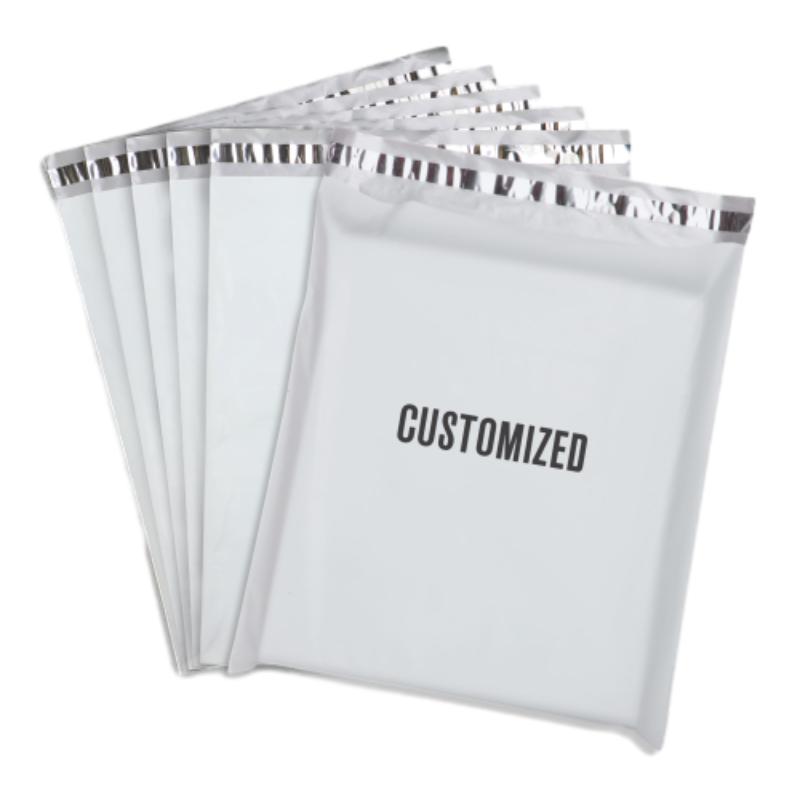
Have the freedom of customizing your custom mailers any way you want! Our dedicated packaging support will help deliver you the mailing experience you need to elevate your shipping experience to the next level! Start making a strong impression on your customers and stand out from your competitors! -
LIYA uses high quality raw materials which directly purchased from large enterprises domestic and overseas such as PetroChina, Sinopec, Sabic, Equate, ExxonMobil, Dow Chemical, Total, and Borouge, ensuring the price advantage and quality of the raw materials. -
LIYA uses high quality raw materials which directly purchased from large enterprises domestic and overseas such as PetroChina, Sinopec, Sabic, Equate, ExxonMobil, Dow Chemical, Total, and Borouge, ensuring the price advantage and quality of the raw materials.
 English
  Arabic
  China
China  French
  Korean
  Russian
  Spanish