Sustainable Shipping: The Rise of Biodegradable Plastic Shipping Bags
Understanding Biodegradable Plastic Shipping Bags: Why They Matter
In a world swimming ever deeper in plastic waste, biodegradable plastic shipping bags are slowly becoming the unsung heroes of sustainable packaging. They are designed to break down more quickly and safely than conventional plastics, easing the overwhelming burden on landfills and oceans. While this sounds straightforward, the ripple effects are far-reaching—from reducing pollution to supporting eco-conscious industries globally.
Why does this matter now? According to the United Nations Environment Programme (UNEP), roughly 300 million tons of plastic waste is generated annually, much of which comes from packaging. Transitioning to biodegradable solutions like shipping bags could dramatically help curb that figure. Plus, it aligns with growing regulatory pressure and consumer demand for greener practices.
The Global Context: How Biodegradable Bags Fit Into the Industry
The logistics and shipping sectors generate vast quantities of plastic packaging. The World Bank cites that plastic waste will quadruple by 2050 if current trends continue. Biodegradable plastic shipping bags represent a tangible answer to this looming problem. From e-commerce giants in Europe to food exporters in Asia, this shift is relevant worldwide.
However, the challenge remains: traditional plastic's combination of durability, cost-effectiveness, and scalability makes it hard to replace. Biodegradable options strive to match these traits while providing environmental benefits—no small feat.
What Exactly Are Biodegradable Plastic Shipping Bags?
At its core, a biodegradable plastic shipping bag is a shipping pouch made from polymers that can naturally degrade through biological activity, typically within months or a few years, rather than sitting in landfills for centuries.
These bags often incorporate materials like polylactic acid (PLA), polyhydroxyalkanoates (PHA), or other bio-based polymers. They serve the same practical purpose as standard shipping bags—protecting goods during transport—while aligning with modern sustainability goals. In essence, they help industries ship goods responsibly without sacrificing functionality.
Core Factors That Define Biodegradable Shipping Bags
1. Durability
Despite being biodegradable, these bags need to withstand the rigors of shipping: abrasion, punctures, environmental exposure. Manufacturers balance material blends to secure strength without impeding decomposition later.
2. Scalability & Manufacturing
Scaling production to meet global logistics demands is no trivial matter. These bags must be producible using existing machinery or minimal adaptation, ensuring cost and supply chain feasibility.
3. Cost Efficiency
One sticking point is price. Biodegradable plastics currently carry a premium—a factor of roughly 1.5 to 3 times higher than traditional polyethylene. But when factoring downstream waste management savings and brand value, companies find these costs increasingly justified.
4. Environmental Compliance
Compliance with international biodegradability standards—like ISO 14855 or ASTM D6400—ensures that bags meet minimum thresholds for decomposition. This guarantees their real-world impact and mitigates greenwashing risks.
5. Consumer & Industry Acceptance
Public perception largely drives adoption. Customers prefer products with sustainable packaging, pushing industries to innovate. In humanitarian and remote shipping contexts, the need for responsible packaging is even more acute.
Mini takeaway: Biodegradable plastic shipping bags must juggle strength, scalability, and environmental responsibility—a tricky yet vital balancing act for future-ready logistics.
Global Applications and Real-World Use Cases
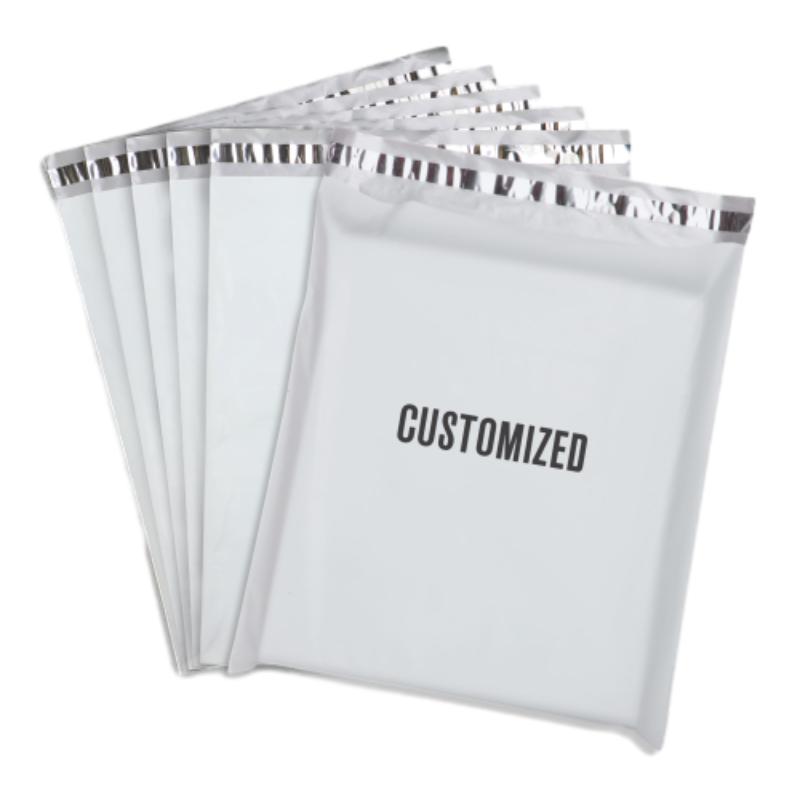
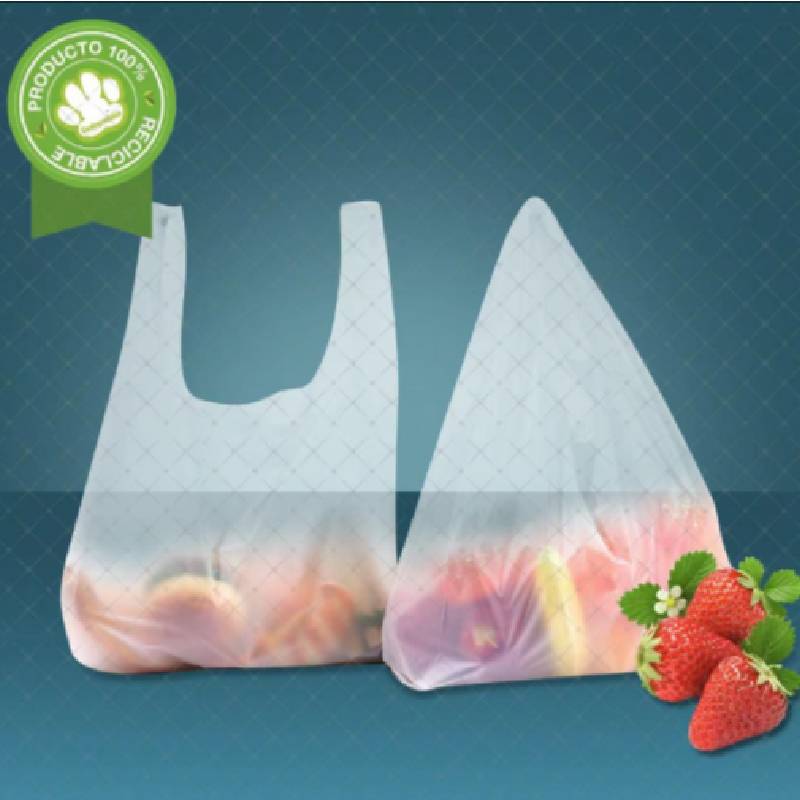
These bags aren’t theoretical—they’re already making waves. In Europe, retailers like IKEA and ASOS have adopted biodegradable mailer envelopes for certain product lines. In Asia-Pacific, food exporters use them to ship perishables with eco-friendly labeling.
Interestingly, NGOs deploying supplies after natural disasters often prefer biodegradable shipping bags. They reduce plastic waste in vulnerable areas where waste infrastructure is limited. Remote industrial zones in Canada and Australia are also experimenting with these bags to meet environmental regulations without hindering operations.
Product Specification Table: Typical Biodegradable Plastic Shipping Bag
| Specification | Details |
|---|---|
| Material | PLA blend with natural additives |
| Thickness | 40-60 microns |
| Tensile Strength | 30 MPa (approx.) |
| Biodegradability Standard | Complies with ASTM D6400 & ISO 17088 |
| Decomposition Timeframe | 6–12 months under industrial composting |
| Typical Use Cases | E-commerce, food shipping, humanitarian aid |
Why Switch? Advantages and Long-Term Value of Biodegradable Shipping Bags
- Environmental sustainability: Reduces persistent plastic pollution and improves landfill burden.
- Brand differentiation: Companies can showcase eco-credentials, attracting conscious consumers.
- Regulatory alignment: Prepares businesses for tightening regulations globally.
- Waste management ease: Compatible with composting infrastructure, lowering disposal costs.
- Social impact: Particularly in vulnerable communities where plastic waste causes ongoing health issues.
On a personal note, it feels like we are witnessing a small but meaningful innovation at the packaging level—the kind that doesn't roar but quietly reshapes habits.
Future Trends and Innovations on the Horizon
Looking ahead, the biodegradable shipping bag market is poised for greater integration with digital tracking (think QR-coded bags that tell you disposal instructions), advances in bio-polymers from algae, and enhanced composting technologies. The pledges by governments to phase out single-use plastics globally add momentum.
Automation in manufacturing is optimizing cost and quality, making these bags closer in price to conventional plastics. Innovative blends are also emerging that can biodegrade even in marine environments—big news to tackle ocean pollution directly.
Challenges and How Industry Leaders Are Tackling Them
No innovation is without bumps. Cost remains a key hurdle. Also, improper disposal can hinder the bags’ biodegradation if they end up in landfills that lack oxygen or composting facilities. Additionally, there's confusion among consumers about “biodegradable” vs “compostable.”
Experts suggest better education campaigns and expanded waste infrastructure, plus tighter certification standards. Some manufacturers are experimenting with hybrid models—bags that degrade rapidly in backyard composts or ocean waters.
FAQ: Common Questions about Biodegradable Plastic Shipping Bags
- Q: How long do biodegradable plastic shipping bags take to break down?
- A: Under optimal conditions—such as industrial composting—these bags typically decompose within 6 to 12 months. Home composting or landfill environments may extend this timeframe due to variable conditions.
- Q: Are biodegradable shipping bags as durable as traditional plastic bags?
- A: While traditionally thought fragile, today's biodegradable bags match many conventional plastics in tensile strength and resistance, making them reliable for shipping diverse goods.
- Q: Can biodegradable shipping bags be recycled?
- A: Generally no. Biodegradable plastics require composting rather than mechanical recycling. Mixing them with traditional plastics can contaminate recycling streams, so correct disposal is important.
- Q: Where can I purchase biodegradable plastic shipping bags?
- A: Suppliers vary by region. For example, many businesses source them from manufacturers specializing in bio-based packaging solutions—some of which you can find through platforms like biodegradable plastic shipping bags.
- Q: Do biodegradable bags cost more than regular plastic?
- A: Yes, they are generally priced higher due to raw materials and production complexity. However, growing scale and environmental cost savings often offset this difference.
Comparing Top Vendors of Biodegradable Shipping Bags
| Vendor | Materials Used | Price Range (per 1000 units) | Key Markets | Certifications |
|---|---|---|---|---|
| GreenPack Solutions | PLA & PHA blends | $450 - $600 | Europe, North America | ASTM D6400, ISO 17088 |
| BioShip Packaging | Corn starch polymer | $400 - $550 | Asia-Pacific | EN 13432, BPI Certified |
| EcoTransit | Sugarcane bagasse blends | $500 - $650 | North America, Oceania | ISO 14995, ASTM D6400 |
Wrapping Up: Why Investing in Biodegradable Shipping Makes Sense
Switching to biodegradable plastic shipping bags is about more than just ticking sustainability boxes. It’s a forward-thinking strategy that balances environmental responsibility with practicality and brand reputation. Sure, challenges remain—but the momentum is undeniable.
If you’re considering next steps, you might want to explore suppliers and product details further—starting with trusted industry sources, including solutions like those found at biodegradable plastic shipping bags.
Mini takeaway: The future of shipping bags is greener, stronger, and smarter—ready to match the pace of global trade with sustainability in mind.
References & Further Reading
-
Secure Shipping Guide with Poly Mailer Bubble Wrap SolutionsNewsApr.16,2026
-
Secure Shipping Guide for Using Durable Bubble Parcel BagsNewsApr.09,2026
-
Comprehensive Guide to Poly Mailer Bubble for Secure and Efficient ShippingNewsApr.07,2026
-
Elevate Your Brand with Custom Designer Bubble Mailers for Effective PackagingNewsApr.04,2026
-
Comprehensive Guide to Poly Mailers with Bubble Wrap for Secure ShippingNewsMar.31,2026
-
Comprehensive Guide to Large Bubble Poly Mailers for Secure and Efficient ShippingNewsMar.28,2026
-
Have the freedom of customizing your custom mailers any way you want! Our dedicated packaging support will help deliver you the mailing experience you need to elevate your shipping experience to the next level! Start making a strong impression on your customers and stand out from your competitors! -
LIYA uses high quality raw materials which directly purchased from large enterprises domestic and overseas such as PetroChina, Sinopec, Sabic, Equate, ExxonMobil, Dow Chemical, Total, and Borouge, ensuring the price advantage and quality of the raw materials. -
LIYA uses high quality raw materials which directly purchased from large enterprises domestic and overseas such as PetroChina, Sinopec, Sabic, Equate, ExxonMobil, Dow Chemical, Total, and Borouge, ensuring the price advantage and quality of the raw materials.
 English
  Arabic
  China
China  French
  Korean
  Russian
  Spanish