Thank You Mailing Bags – Sustainable, Cost-Efficient Shipping with Personal Touch
Thank You Mailing Bags: Small Packaging, Big Impact
If you haven’t yet encountered thank you mailing bags, they’re one of those products quietly revolutionizing the way businesses and nonprofits send out goods. Imagine a simple, lightweight bag printed with a warm “thank you” message — and suddenly, this little gesture starts building customer loyalty, enhancing brand image, and offering practical shipping benefits worldwide. It’s kind of a no-brainer that these bags have become vital, especially with global e-commerce booming and sustainability demands tightening.
In this write-up, we’ll unpack what thank you mailing bags really are, why their use matters on a global scale, and how their thoughtful design cleverly solves many shipping challenges businesses face today.
Why Do Thank You Mailing Bags Matter Globally?
Looking at global parcel volumes, the rise is staggering. According to the World Bank, international parcel delivery volume increased by over 20% annually in recent years, partly boosted by the pandemic-induced e-commerce spike. At the same time, the International Organization for Standardization (ISO) stresses the need for standardizing sustainable, secure packaging to reduce environmental footprints.1
This is where thank you mailing bags strangely but effectively fit in — they’re more than just mailing essentials. They represent a company’s acknowledgement of their customers and a growing push towards eco-friendly and user-friendly packaging. Notably, regions like North America, Europe, and parts of Asia-Pacific have accelerated adoption due to both consumer demand and regulatory pressure to minimize waste.2
However, the problem remains: balance affordability, strength, and environmental concerns without losing that personal touch. Thank you mailing bags bridge this gap elegantly.
What Exactly Are Thank You Mailing Bags?
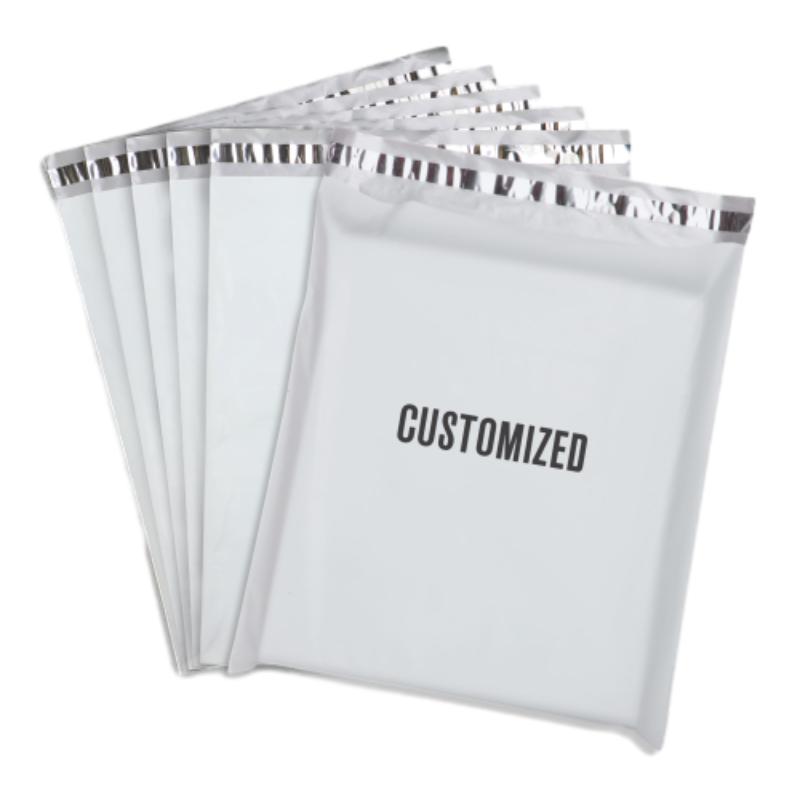
At their core, thank you mailing bags are flexible, lightweight, poly mailers printed with “thank you” or similar gratitude messages. They are designed primarily for shipping non-fragile items such as clothing, small electronics, or accessories. Commonly made from virgin or recycled polyethylene (PE), these bags protect contents from moisture and dirt while offering tear resistance.
But they’re more than just functional. Their printable surfaces allow brands to add personalized notes or logos, transforming the mailing bag into a marketing tool — communicating appreciation and building emotional connection right at the first touchpoint.
In humanitarian aid contexts, similar “thank you” labeled mailing bags also serve for delivering supplies, combining safety and a positive human message.
Mini Takeaway:
Thank you mailing bags combine shipping utility with customer care messaging, fitting modern commerce’s need for efficient, sustainable, and warm packaging solutions.
Core Characteristics of Thank You Mailing Bags
Durability & Protection
These bags are crafted to resist punctures, tears, and moisture. Polyethylene grades differ, but most mailers handle a fair amount of rough treatment in transit. Engineers I’ve chatted with often point out the critical balance between strength and flexibility.
Eco-Friendliness
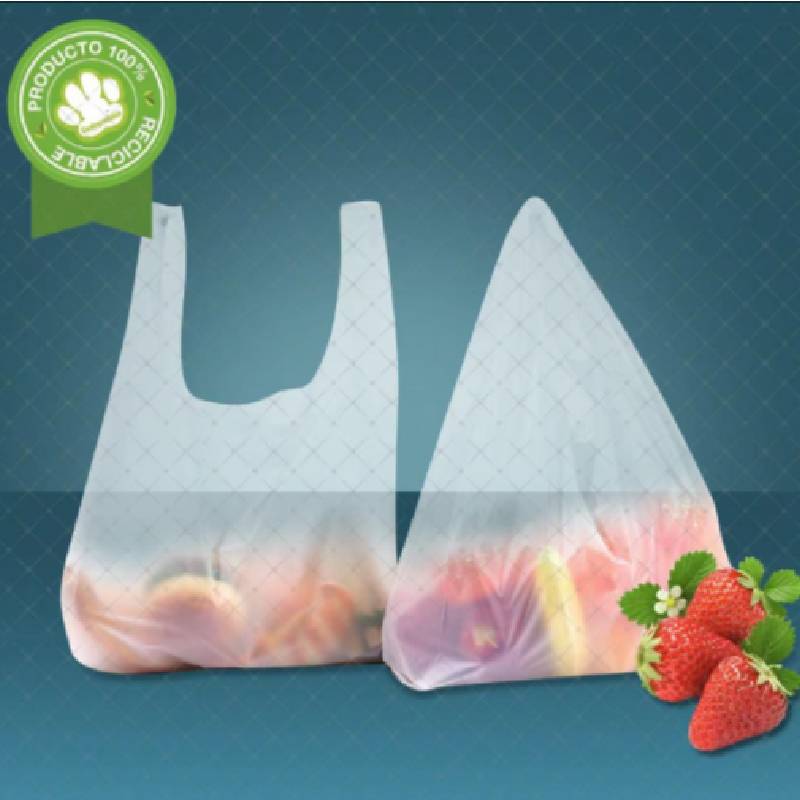
Because environmental impact is real, many packs today use recycled or biodegradable materials. This also aligns with ISO standards for sustainable packaging (ISO 18601). Recyclability or compostability is a huge selling point.
Customization & Branding
Printing options range from simple “thank you” text to full-color brand logos and custom messages. This elevates the packaging from a basic carrier to a marketing asset — it’s like giving your parcel a positive personality.
Cost Efficiency
Compared to traditional boxed shipping, thank you mailing bags save on weight and volume. This means lower shipping costs — a big plus especially in international logistics where every gram counts.
Scalability
These bags come in various sizes to suit different goods, allowing businesses to order in bulk or tailor their packaging, from small boutique makers to large e-commerce platforms.
| Feature | Specification | Notes |
|---|---|---|
| Material | Polyethylene (PE) - virgin or recycled | Varies by supplier |
| Thickness | 2-4 mil (50-100 microns) | Balance between durability & flexibility |
| Closure | Self-sealing adhesive strip | Simplifies packing & secure shipping |
| Single or multi-color “Thank You” messaging | Custom branding available | |
| Sizes | Varied: 6x9 in, 9x12 in, 12x15 in, etc. | Fits from small accessories to apparel |
How Are Thank You Mailing Bags Used Across the Globe?
They’ve become staples for e-commerce sellers, especially small businesses finding it hard to distinguish themselves when competing against giants. In North America and Europe, customers often expect an eco-friendly and heartfelt unboxing experience — exactly the niche these mailing bags fill.
In Asia-Pacific, rapid e-commerce growth means millions of parcels daily, so cost-effective, light, and recyclable bags improve order fulfillment while reducing waste — a win-win. Meanwhile, humanitarian NGOs use similar bags for distributing aid supplies, with printed messages offering dignity and respect to recipients in crisis zones.
One neat story I found: a small clothing brand in New York noticed a 15% increase in repeat purchases after switching to thank you mailing bags — their customers appreciated the personal touch in every delivery.
Mini Takeaway:
From corporate to charity work, thank you mailing bags are versatile and valuable in diverse real-world scenarios across continents.
Why Choose Thank You Mailing Bags? The Advantages in Real Terms
- Cost Saving: Lightweight design cuts postage fees, especially important in international shipping.
- Sustainability: Using recycled or biodegradable materials supports eco-conscious branding.
- Customer Relations: Conveying appreciation visually builds trust and brand loyalty.
- Practicality: Tear resistance and moisture protection minimize product damage.
- Space Efficiency: Slim packaging takes less storage space, reducing warehouse costs.
On an emotional level, a simple “thank you” on your package can feel surprisingly meaningful. I suppose we underestimate how much packaging influences the overall shopping experience. And frankly, in a sea of generic parcels, these bags provide that memorable moment — a little human warmth wrapped around commerce.
The Road Ahead: Emerging Trends and Innovations
The packaging industry is riding the sustainability wave hard. New bio-based polymers and mushroom-derived packaging materials hint at the future of mailing bags that might decompose at home or vanish with zero footprint.3 Others experiment with embedded QR codes that link customers to personalized thank-you notes or loyalty rewards.
Automation will soon allow brands to order custom-printed mailing bags on demand, reducing waste and speeding fulfillment. Plus, AI-driven predictive packaging size selection is already minimizing leftover materials — you know, that “one size fits all” approach is finally fading.
Challenges in Using Thank You Mailing Bags and How to Overcome Them
Some companies worry about poly mailers’ environmental impact. While recycled or biodegradable options exist, they might cost more or not always conform to all shipping regulations.
Then there's security — once sealed, opening these bags can risk damaging the product, so tamper-evident options are evolving.
Finally, the printing quality can vary, so vetting suppliers carefully is crucial.
Industry experts recommend choosing vendors who comply with ISO environmental standards and who offer custom quality testing. Plus, educating customers on proper recycling helps multiply the sustainability effect.
| Vendor | Materials | Customization | Eco Certifications | Price Range |
|---|---|---|---|---|
| LiyaBioBag | Recycled PE | Full-color print + logos | ISO 14001, Compostable Certified | $$$ (Mid-range) |
| EcoPack Solutions | Biodegradable PLA blend | Limited colors | Compostable ASTM D6400 | $$ (Affordable) |
| PackPro Global | Virgin PE | Full customization | None | $ (Budget) |
Frequently Asked Questions About Thank You Mailing Bags
- Q: Are thank you mailing bags recyclable?
- A: Many are made from recyclable polyethylene, but it's important to check local recycling guidelines. Some suppliers offer compostable options certified by ISO or ASTM.
- Q: Can these bags protect fragile items?
- They offer moisture and dirt protection but limited cushioning. For fragile goods, use bubble wrap or additional padding inside the bag.
- Q: How customizable are the thank you mailing bags?
- Highly customizable. From simple “Thank You” prints to full-branding with logos and colorful designs, many vendors accommodate bulk custom orders.
- Q: Do they reduce overall shipping costs?
- They tend to be lighter and take up less space than boxes, often lowering shipping fees, especially for standard parcel services with weight-based pricing.
- Q: Are there eco-friendly alternatives?
- Yes. Many makers now supply mailing bags made from recycled material or biodegradable polymers, aligning with sustainability goals.
Wrapping Up: Why Thank You Mailing Bags Are Here to Stay
In the end, these simple-but-smart mailing bags offer an elegant solution to modern packaging challenges — combining cost efficiency, reliable protection, and the powerful human touch of gratitude. Whether you’re a small business looking to connect to customers or an NGO distributing aid with care, thank you mailing bags punch way above their weight.
Ready to level up your packaging with style and heart? Visit our website to explore a stunning selection of thank you mailing bags tailored for your needs.
Final Thought
It’s funny how the smallest things—a smile, a thank you note, or a simple “thank you” on your parcel—can change an entire experience.
References
-
Secure Shipping Guide with Poly Mailer Bubble Wrap SolutionsNewsApr.16,2026
-
Secure Shipping Guide for Using Durable Bubble Parcel BagsNewsApr.09,2026
-
Comprehensive Guide to Poly Mailer Bubble for Secure and Efficient ShippingNewsApr.07,2026
-
Elevate Your Brand with Custom Designer Bubble Mailers for Effective PackagingNewsApr.04,2026
-
Comprehensive Guide to Poly Mailers with Bubble Wrap for Secure ShippingNewsMar.31,2026
-
Comprehensive Guide to Large Bubble Poly Mailers for Secure and Efficient ShippingNewsMar.28,2026
-
Have the freedom of customizing your custom mailers any way you want! Our dedicated packaging support will help deliver you the mailing experience you need to elevate your shipping experience to the next level! Start making a strong impression on your customers and stand out from your competitors! -
LIYA uses high quality raw materials which directly purchased from large enterprises domestic and overseas such as PetroChina, Sinopec, Sabic, Equate, ExxonMobil, Dow Chemical, Total, and Borouge, ensuring the price advantage and quality of the raw materials. -
LIYA uses high quality raw materials which directly purchased from large enterprises domestic and overseas such as PetroChina, Sinopec, Sabic, Equate, ExxonMobil, Dow Chemical, Total, and Borouge, ensuring the price advantage and quality of the raw materials.
 English
  Arabic
  China
China  French
  Korean
  Russian
  Spanish