Look, I’ve spent the last fifteen years on construction sites, elbows deep in dust and concrete. Seen it all, from tiny residential builds to massive infrastructure projects. One thing that always sticks out – the packaging. Not the big stuff, the lumber and steel, but the smaller components, the specialized bits that need to arrive in perfect condition. That’s where good custom mail packaging bags come into play. They're not just about holding things; they're about protecting investments, minimizing delays, and frankly, keeping projects on schedule. Ignoring packaging is ignoring a huge chunk of project risk.
We’re talking about a global operation here. The construction industry is a multi-trillion dollar behemoth. According to a 2023 report from the Associated General Contractors of America, material costs still account for over 40% of a project’s total expense, and damage during shipping eats into that profit margin. Delays because of damaged goods are incredibly costly – think lost man-hours, rescheduled deliveries, and potential penalties. And that’s just domestic. International sourcing is huge, and the risks are amplified. The need for robust, reliable packaging isn’t going anywhere.
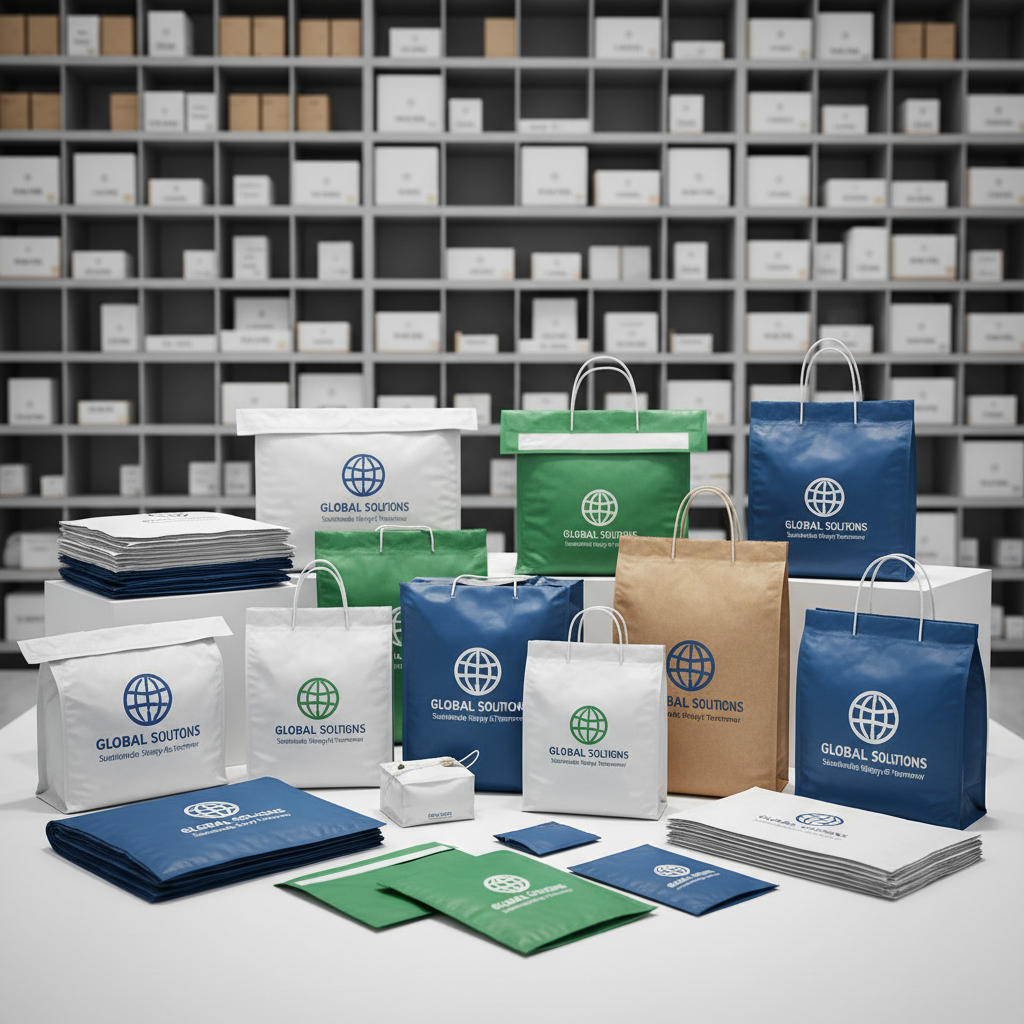
These aren't your grandma's poly bags. Custom mail packaging bags are specifically designed solutions, tailored to the size, weight, and fragility of the contents. It's about more than just a plastic bag. It’s about engineering a protective barrier that can withstand the rigors of transportation, handling, and potentially, harsh weather conditions. We’re talking about preventing returns, avoiding re-work, and delivering materials ready to go, right when they’re needed. Honestly, a little extra upfront investment in good packaging saves a mountain of headaches down the line.
The Importance of Custom Mail Packaging Bags in Construction
I've seen too many projects stalled because of a simple packaging failure. Delicate sensors, specialized fittings, even critical electronic components – if they arrive broken, you're looking at days, sometimes weeks, of delay. Custom mail packaging bags aren’t a luxury; they're insurance. They’re about minimizing risk and keeping the project moving. We’ve moved to a ‘just-in-time’ delivery model on almost every site I've been on, so having components ready to install immediately is critical.
And it’s not just about the cost of replacing the item. It’s about the knock-on effects. The electrician can’t finish their work. The plumber has to reschedule. The whole chain gets disrupted. Good packaging streamlines the process. It means materials are ready to go, reducing downtime and improving overall efficiency. custom mail packaging bags are often the first impression a supplier makes; a professional package screams quality.
Global Relevance and Industry Context
Construction isn’t confined by borders. We're importing components from all over the world – China, Germany, Italy, Vietnam – the list goes on. Each country has its own shipping regulations, handling practices, and climate challenges. A one-size-fits-all packaging approach simply doesn’t cut it. According to the UN Comtrade database, global trade in construction materials exceeded $2.5 trillion in 2022, highlighting the massive scale of international logistics.
The challenge is maintaining consistency and quality across that entire supply chain. You need packaging that can withstand long voyages, multiple handling points, and varying environmental conditions. It has to comply with international shipping standards (ISPM 15 for wood packaging, for example), and it needs to clearly identify the contents and handling instructions.
What happens when a container full of specialized tiles gets water damaged during transport? Or when delicate facade panels get crushed because of inadequate protection? The costs escalate quickly, and the blame game begins. Robust, custom mail packaging bags are the first line of defense against these costly issues, ensuring materials arrive safely and ready for installation.
Defining Custom Mail Packaging Bags
Forget the generic plastic bags you find at the hardware store. Custom mail packaging bags are specifically engineered solutions, designed to meet the unique requirements of the materials being shipped. That means considering size, shape, weight, fragility, and environmental factors. It's about using the right materials – high-density polyethylene (HDPE), polypropylene (PP), specialized barrier films – to provide the necessary protection.
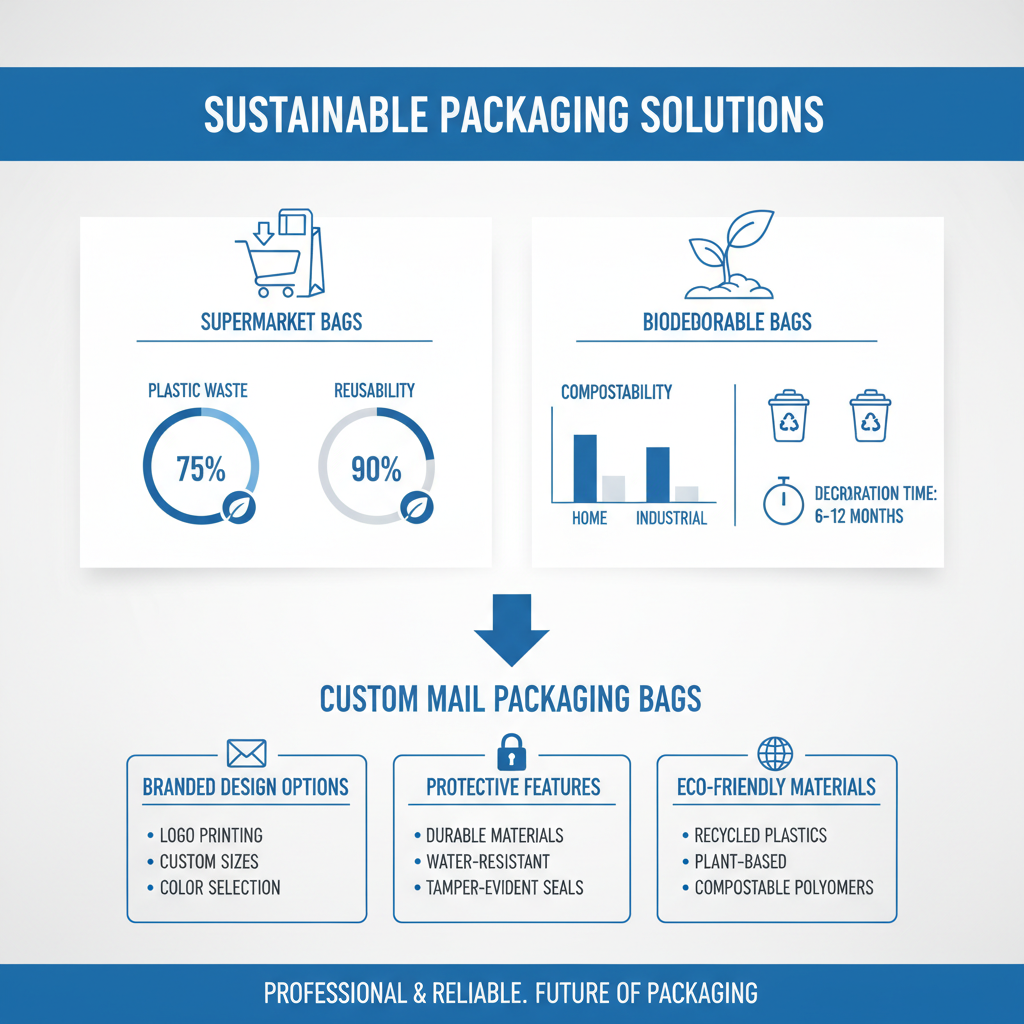
It also means tailoring the features of the bag itself – adding handles for easy carrying, incorporating tamper-evident seals for security, including moisture barriers for sensitive materials, or printing clear labeling and handling instructions. These aren’t off-the-shelf items; they’re built to spec. I’ve seen everything from custom-foam inserts for delicate instruments to reinforced corners for heavy components.
This ties directly into modern construction practices, particularly the increasing use of prefabricated components. These components often require specialized packaging to protect them during transport from the manufacturing facility to the construction site. Effective packaging is integral to the successful implementation of off-site construction methods, streamlining workflows and reducing on-site waste.
Core Components of Effective Packaging
Let’s get down to brass tacks. What actually makes a good package? First, Durability. It needs to withstand punctures, tears, and impacts. We're not sending flowers here; we're sending potentially expensive and critical construction materials. Second, Moisture Protection. Water damage is a project killer. Barrier films and sealed seams are essential for protecting sensitive materials.
Third, UV Resistance. If materials are stored outdoors for any length of time, UV exposure can cause degradation. UV-resistant films help prevent this. Fourth, Custom Sizing. A bag that’s too big is just as bad as one that’s too small. It needs to fit the contents snugly to prevent shifting and damage. Finally, Clear Labeling. Easy-to-read labels with handling instructions are critical for ensuring materials are handled correctly. custom mail packaging bags that make it obvious what’s inside and how to treat it save everyone time and headaches.
Custom Mail Packaging Bag Performance Metrics
Applications Across Construction Sectors
You’ll find custom mail packaging bags everywhere in construction. In post-disaster relief operations, they’re used to deliver essential building materials to affected areas quickly and efficiently. In remote industrial zones, they protect specialized equipment from the elements during transport. I've seen them used extensively in solar panel installations, protecting delicate cells from breakage.
They're critical in high-rise construction for safely delivering facade materials and glazing to upper floors. And they're becoming increasingly important in the prefabrication sector, ensuring components arrive on site undamaged and ready for assembly. The rise of modular construction, in particular, has driven demand for robust and reliable packaging solutions.
Advantages and Long-Term Value
The tangible benefits are clear: reduced material waste, lower replacement costs, minimized delays, and improved project efficiency. But there’s also a significant long-term value proposition. Sustainable packaging options, like biodegradable or recyclable materials, can help reduce a company’s environmental footprint and enhance its reputation. It’s not just about saving money today; it’s about building a sustainable future.
Beyond the practical benefits, there’s a psychological element. Delivering materials in pristine condition demonstrates a commitment to quality and professionalism. It builds trust with clients and stakeholders, and it reinforces a company’s brand reputation. That matters, especially in a competitive industry.
Future Trends and Innovations
We’re seeing a move towards smart packaging solutions – incorporating RFID tags for tracking and inventory management, or sensors that monitor temperature and humidity during transit. There’s also a growing focus on bio-based and compostable materials, driven by increasing environmental concerns. The industry is actively exploring alternatives to traditional plastics, such as mushroom packaging and seaweed-based films.
Digital printing technology is also enabling more customization and personalization, allowing companies to print detailed product information and branding directly onto the packaging. Automation in packaging processes is also increasing, streamlining operations and reducing labor costs. And finally, the integration of blockchain technology is being explored to enhance supply chain transparency and traceability.
Challenges and Solutions
One of the biggest challenges is cost. Custom mail packaging bags can be more expensive than generic options, but that initial investment often pays for itself in reduced damage and delays. Finding the right balance between cost and performance is key. Another challenge is ensuring adequate supply chain resilience, particularly in the face of global disruptions.
Solutions include diversifying suppliers, building strategic partnerships, and investing in inventory management systems. Standardization of packaging formats can also help streamline processes and reduce costs. And finally, embracing sustainable packaging options not only reduces environmental impact but can also enhance a company’s brand reputation and attract environmentally conscious clients.
The following table summarizes key considerations for optimizing packaging strategies in construction.
Summarized Analysis of Custom Mail Packaging Bag Optimization Strategies
| Packaging Material |
Cost Effectiveness (1-10) |
Durability Rating (1-10) |
Environmental Impact (Low/Medium/High) |
| Polyethylene (PE) |
8 |
6 |
High |
| Polypropylene (PP) |
7 |
7 |
High |
| Biodegradable Plastics (PLA) |
5 |
5 |
Low |
| Recycled PET |
6 |
8 |
Medium |
| Mushroom Packaging |
4 |
6 |
Low |
| Seaweed-Based Films |
3 |
4 |
Low |
FAQS
Standard poly bags are typically generic, offering minimal protection and are often not designed for the specific requirements of construction materials. Custom mail packaging bags, on the other hand, are engineered to provide superior protection against damage, moisture, and UV exposure, using materials and features tailored to the contents. This translates to lower damage rates, reduced waste, and improved project efficiency.
The best approach is to consider the material's weight, fragility, dimensions, and environmental sensitivities. Factors like the potential for moisture damage, UV exposure, and physical impacts should all be evaluated. Working with a packaging specialist who understands construction materials is highly recommended—they can assess your needs and recommend the optimal solution.
Absolutely. Biodegradable plastics (PLA), recycled PET, mushroom packaging, and seaweed-based films are gaining traction as sustainable alternatives to traditional plastics. While these options may have different cost and performance characteristics, they can significantly reduce your environmental footprint and appeal to environmentally conscious clients.
Lead times vary depending on the complexity of the order, the materials used, and the supplier's production schedule. Generally, you can expect a lead time of 2-6 weeks for custom-designed bags. It's best to plan ahead and place your order well in advance of your project's start date.
While the initial cost might be higher than standard packaging, custom bags offer significant cost savings by reducing material damage, minimizing delays, and decreasing the need for replacements. This leads to improved project efficiency, lower labor costs, and enhanced client satisfaction—all contributing to a positive return on investment.
Ensure your packaging supplier is familiar with relevant international shipping regulations, such as ISPM 15 for wood packaging. Proper labeling, documentation, and material selection are crucial for smooth customs clearance and avoiding delays. Working with a supplier experienced in international shipments is highly recommended.
Conclusion
We've covered a lot here, but the bottom line is this: custom mail packaging bags are a critical component of any successful construction project. They're not just about protecting materials; they're about mitigating risk, improving efficiency, and building trust. Ignoring packaging is a false economy – a small investment upfront can save a significant amount of money and headache down the line.
Looking ahead, the industry is ripe for innovation. We’ll see more sustainable materials, smart packaging technologies, and a greater focus on customization. Companies that embrace these trends will be well-positioned to thrive in the evolving construction landscape. To learn more about tailored packaging solutions for your projects, visit our website: custom mail packaging bags.



 English
  Arabic
  China
China  French
  Korean
  Russian
  Spanish