What Are Green Postage Bags? Eco-Friendly Mailing Solutions for Sustainable Shipping
Understanding Green Postage Bags: Sustainable Solutions for Modern Shipping
It’s fascinating how a simple postal bag can embody a much broader vision—one of sustainability, environmental consciousness, and smarter logistics. Green postage bags are essentially biodegradable or recycled material-based mailing envelopes designed to reduce environmental impact. More than just a niche trend, their adoption reflects a global push toward reducing plastic waste and carbon footprints throughout industries.
Why does this matter? According to the United Nations Environment Programme (UNEP), packaging contributes nearly 40% of total plastic waste worldwide, a staggering statistic that calls for urgent intervention. Shipping and postal services, which often rely on single-use plastics, represent a critical segment where green innovation can make a real difference. Understanding green postage bags isn’t just about swapping one material for another; it's about rethinking packaging lifecycles and corporate responsibility.
Introduction: The Global Significance of Green Postage Bags
Globally, the postal and parcel delivery sector has grown exponentially with e-commerce’s boom. The World Bank indicated parcel volumes grew by over 20% annually in emerging markets pre-pandemic, and those numbers are only rising. This growth correlates with environmental concerns because traditional plastic bags continue clogging oceans and landfills.
Here’s the pesky problem: many standard postage bags are petroleum-based plastics that don’t easily break down. The need for green postage bags emerges from this challenge. They present solutions by offering compostable or recycled alternatives, which can drastically reduce waste and emissions. For governments and businesses aiming to hit net-zero goals, adopting such eco-friendly postal envelopes is an essential piece of the puzzle.
Mini takeaway: The surge in global parcel shipments demands urgent shifts toward sustainable packaging—green postage bags are a practical and impactful response.
What Are Green Postage Bags?
Put simply, green postage bags are mailing bags crafted from materials that minimize environmental harm. They often use bio-based plastics like polylactic acid (PLA), recycled polyethylene, or paper blends that are readily recyclable and sometimes biodegradable.
Unlike traditional plastic mailers, these bags break down faster in compost environments or can be recycled into new products without losing structural integrity. Given their design, they suit everything from everyday business mail to humanitarian logistics, where safe and eco-conscious delivery packaging can reduce both waste and logistical costs.
Core Components of Effective Green Postage Bags
1. Material Sustainability
Whether it's post-consumer recycled plastic or plant-based polymers, the starting point is always the use of more sustainable feedstocks. For example, PLA derives from cornstarch and is compostable under industrial conditions.
2. Durability and Protection
There’s a common myth that “green” means flimsy. That’s far from true. In fact, modern green postage bags meet strict durability standards, keeping contents safe during transit just like their plastic counterparts. This includes tear resistance, water repellence, and puncture strength.
3. Cost Efficiency
While cost used to be a barrier, advances in manufacturing and scaling have brought green bags closer to parity with traditional options, often saving money when considering end-of-life disposal fees or taxes on plastic packaging.
4. Customization and Branding
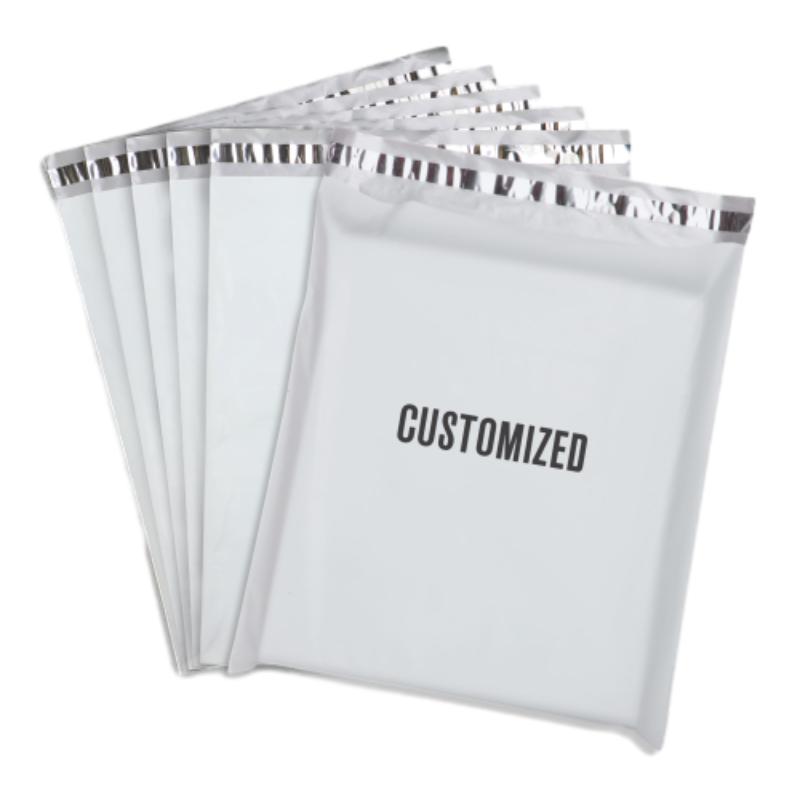
Many businesses appreciate that green postage bags can be printed on with soy-based inks, giving brands a sustainable yet distinct look—an added marketing bonus in green-conscious markets.
5. Compliance and Certifications
Look for certifications like ASTM D6400 or EN 13432 that verify biodegradability. These assure users the bags meet recognized environmental standards.
| Feature | Specification |
|---|---|
| Material | 75% Recycled LDPE + 25% PLA |
| Size (standard) | 12" x 15" (30 x 38 cm) |
| Tear Resistance | ≥ 220g (Grain) |
| Certifications | ASTM D6400 Certified Compostable |
| Ink Type | Soy-based Eco Ink |
Global Applications & Use Cases of Green Postage Bags
Green postage bags aren’t limited to a single industry or geography. In fact, they pop up in diverse places:
- Personal e-commerce shipments: Small sellers increasingly opt for green bag alternatives to appeal to eco-conscious customers.
- Humanitarian aid deliveries: NGOs use green postage bags to send supplies quickly without leaving harmful waste behind, notably in Southeast Asia and parts of Africa.
- Government mail services: Postal organizations in Europe and Japan adopt biodegradable mailers as part of their green strategies.
- Corporate internal logistics: Companies shipping documents or lightweight goods prefer green bags to bolster CSR (Corporate Social Responsibility) credentials.
For example, post-tsunami relief operations in Indonesia distributed essential items safely packaged in compostable green mailers to minimize environmental harm in already fragile ecosystems.
Mini takeaway: From disaster zones to online stores, green postage bags serve a variety of sectors eager to reduce plastic pollution impact worldwide.
Advantages & Long-Term Value of Green Postage Bags
There’s a pretty compelling reason brands and consumers alike lean into green postage bags beyond the obvious environmental benefits:
- Cost Savings: Lower landfill fees and less regulatory penalties.
- Brand Trust: Enhances corporate image by showing commitment to sustainability.
- Waste Reduction: Minimizes plastic buildup in oceans and communities.
- Customer Loyalty: Eco-conscious buyers tend to stick with brands that align with their values.
The intangible benefits also matter. Think about the peace of mind a company feels sending out packages knowing they will biodegrade, sparing the planet. Or the simple pride customers feel receiving packages in green packaging, adding a bit of enjoyment to the unboxing experience.
Looking Forward: Future Trends & Innovations
Oddly enough, the future of green postage bags looks quite tech-forward. Researchers develop blends using algae-based bioplastics and mushroom mycelium composites, materials that break down even faster and require fewer resources.
Innovation also comes from digital integration — imagine postage bags embedded with QR codes linking customers to carbon offset certificates or recycling instructions.
On the regulatory side, tighter rules on single-use plastics in places like the EU and California encourage wider adoption. Automation in packaging lines now supports handling bio-based materials more efficiently, reducing operational complexities.
Challenges & Practical Solutions
Still, some challenges remain. Not all green postage bags degrade under normal landfill conditions — industrial composting may be necessary, which isn’t always accessible globally.
Also, sourcing bio-based plastics can sometimes compete with food crops, raising ethical concerns. Experts suggest prioritizing waste-stream recycling and innovations with algae or non-food biomass feedstocks to mitigate this.
To adopt green postage bags effectively, businesses can partner with certified suppliers and invest in customer education to ensure proper disposal practices.
| Vendor | Material Composition | Certifications | Price per 1000 Bags | Customization Options |
|---|---|---|---|---|
| EcoMail Supplies | 80% Recycled LDPE | ASTM D6400 | $450 | Color, Logo, Size |
| GreenPack Solutions | PLA & Paper Blend | EN 13432 | $510 | Logo, QR Code |
| BioEnvelope Co. | Algae-based Bioplastics | ASTM D6868 | $600 | Full Custom Prints |
FAQ: Frequently Asked Questions about Green Postage Bags
1. Are green postage bags as durable as regular plastic bags?
Yes, most green postage bags are designed to meet or exceed the durability standards of conventional mailers. They resist tears, moisture, and punctures well enough to protect goods during transit.
2. How should I dispose of green postage bags?
Disposal depends on the material type. Compostable bags should ideally go to industrial composting facilities, while recyclable bags can be processed with regular plastic recycling streams. Always check local guidelines.
3. Can green postage bags be customized with company logos?
Absolutely. Many manufacturers use eco-friendly inks for printing and offer various customization options, helping businesses stay green without sacrificing brand identity.
4. Are green postage bags cost-effective for small businesses?
Initially, costs might be slightly higher, but when factoring in waste disposal savings and customer goodwill, they can be very affordable for small or growing companies.
5. Do green postage bags break down in home compost bins?
Not typically. Most require industrial composting conditions with controlled heat and humidity. Home composting might take much longer or be ineffective.
Conclusion
Embracing green postage bags means embracing a future where postal and parcel shipping no longer harms the planet. They blend performance with responsibility, appealing to everyone from eco-focused startups to humanitarian aid networks. If you’re curious or ready to make the switch, I encourage you to explore sustainable packaging options today. The planet (and your brand’s reputation) will thank you.
Mini takeaway: Green postage bags represent a small change with big ripple effects—better for business, better for Earth.
References:
1. United Nations Environment Programme (UNEP) Plastic Waste Analysis
2. World Bank – Parcel Market Growth Stats
3. ASTM International Compostability Standards D6400
-
Secure Shipping Guide with Poly Mailer Bubble Wrap SolutionsNewsApr.16,2026
-
Secure Shipping Guide for Using Durable Bubble Parcel BagsNewsApr.09,2026
-
Comprehensive Guide to Poly Mailer Bubble for Secure and Efficient ShippingNewsApr.07,2026
-
Elevate Your Brand with Custom Designer Bubble Mailers for Effective PackagingNewsApr.04,2026
-
Comprehensive Guide to Poly Mailers with Bubble Wrap for Secure ShippingNewsMar.31,2026
-
Comprehensive Guide to Large Bubble Poly Mailers for Secure and Efficient ShippingNewsMar.28,2026
-
Have the freedom of customizing your custom mailers any way you want! Our dedicated packaging support will help deliver you the mailing experience you need to elevate your shipping experience to the next level! Start making a strong impression on your customers and stand out from your competitors! -
LIYA uses high quality raw materials which directly purchased from large enterprises domestic and overseas such as PetroChina, Sinopec, Sabic, Equate, ExxonMobil, Dow Chemical, Total, and Borouge, ensuring the price advantage and quality of the raw materials. -
LIYA uses high quality raw materials which directly purchased from large enterprises domestic and overseas such as PetroChina, Sinopec, Sabic, Equate, ExxonMobil, Dow Chemical, Total, and Borouge, ensuring the price advantage and quality of the raw materials.

 English
  Arabic
  China
China  French
  Korean
  Russian
  Spanish