Biodegradable Mailing Envelopes | Sustainable, Durable, and Certified Compostable Options
Why Biodegradable Mailing Envelopes Matter in Today’s World
At first glance, mailing envelopes might not seem like something to write home about. But when we talk about biodegradable mailing envelopes, suddenly the topic becomes pretty relevant — on a global scale no less. With worldwide e-commerce booming, the volume of packaging waste is skyrocketing. According to the United Nations Environment Programme, roughly 300 million tons of plastic waste is produced annually, much of it packaging. Mailing envelopes, unless thoughtfully designed, contribute heavily to that pile.
So understanding biodegradable mailing envelopes isn’t just about "going green" in a vague sense — it’s about tangibly reducing waste, protecting ecosystems, and aligning with the growing global demand for sustainable business practices. Plus, in some industries, they’re becoming a key tool for meeting regulatory standards and consumer expectations alike.
The Global Context Behind Biodegradable Mailing Envelopes
Given that more than 53% of the world’s goods move via postal and parcel services today, choosing an envelope that breaks down naturally is not a trivial win. In fact, ISO published standards demanding reductions in single-use plastics — a category where traditional poly mailers sit uncomfortably — putting pressure on manufacturers and shippers alike.
A big issue comes when you consider the lifecycle of a typical mailing envelope: made with plastic films, they can linger in landfills for decades, sometimes centuries, polluting soil and water. As companies respond to consumer calls for sustainability and face heavier environmental regulations, biodegradable mailing envelopes emerge as a meaningful solution.
What Exactly Are Biodegradable Mailing Envelopes?
To put it simply, these are mailing envelopes designed to break down naturally when exposed to the environment, without leaving lasting harmful residues. They often use plant-based materials like cornstarch polymers, cellulose, or other compost-friendly ingredients instead of conventional plastics.
In practical terms, these envelopes serve the same role as standard mailers — protecting contents during shipping — but carry the added value of decomposing within months, not centuries. This isn't just greenwashing jargon; it reflects a real, measurable decomposition process certified by standards like ASTM D6400 or EN 13432.
Interestingly, biodegradable mailing envelopes are finding use cases in industries ranging from fashion retail to humanitarian aid, where delivering goods sustainably matters both ethically and practically.
Core Qualities That Define Effective Biodegradable Mailing Envelopes
1. Durability Under Shipping Conditions
It feels a bit counterintuitive — you want the envelope to break down, yet it must hold up in transit. Many manufacturers strike this balance by integrating plant-based polymers with flexible yet strong fibers. The results? Envelopes tough enough to resist punctures, tearing, and moisture during transport.
2. Compostability and Environmental Safety
Most biodegradable envelopes meet industrial or home composting requirements — which means they safely disintegrate without leaving microplastics or toxins. This verifies their genuine environmental benefit.
3. Cost Efficiency
While slightly pricier than traditional options, production advances and economies of scale are steadily bringing prices down, making biodegradable mailing envelopes competitive, especially when factoring in potential regulatory compliance and brand goodwill.
4. Scalability and Customization
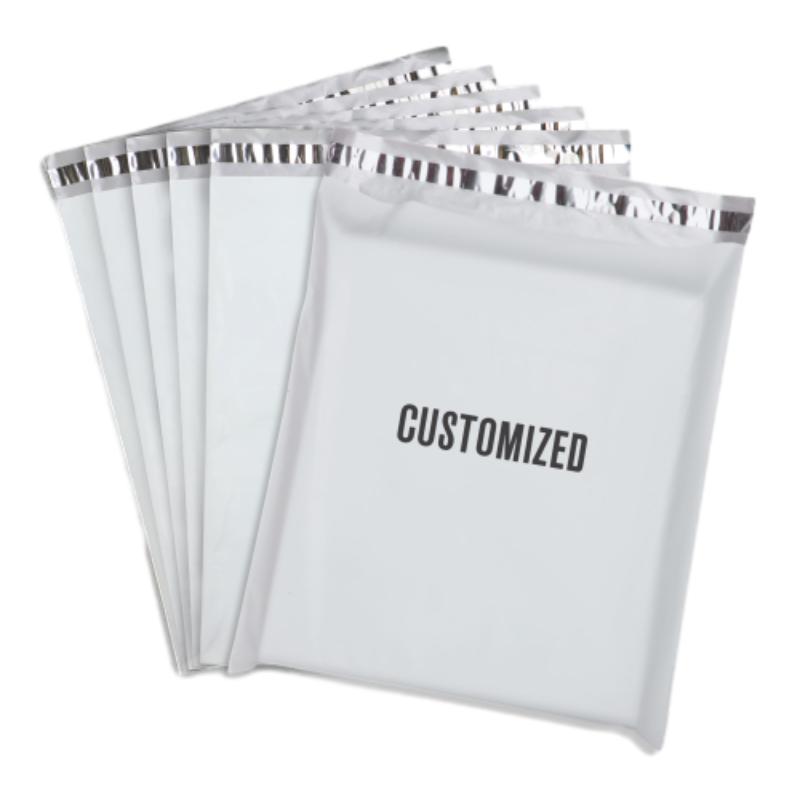
Manufacturers now offer these envelopes in a variety of sizes, colors, and finishes, supporting brand differentiation without compromising on eco-friendliness. This flexibility helps companies tailor packaging to customer needs and marketing goals.
5. Compatibility With Existing Shipping Systems
One important practical point: these envelopes work smoothly with postal scanners, automated sorting equipment, and warehouse workflows, which is crucial for user adoption.
| Specification | Details |
|---|---|
| Material | Cornstarch-based biopolymer with cellulose fibers |
| Weight | 20 – 60 grams per envelope (varies by size) |
| Decomposition Time | 3 to 6 months in industrial composting conditions |
| Sizes Available | Small, Medium, Large, Custom |
| Certifications | ASTM D6400, EN 13432 Compostability Standards |
| Resistant to Tears | Yes, up to 15 N tensile strength |
Practical Uses and Global Impact of Biodegradable Mailing Envelopes
Across Asia’s booming e-commerce markets, retailers have started adopting biodegradable mailing envelopes to differentiate themselves and meet tough environmental laws. In Europe, several postal services offer “green shipping” options exclusively using these envelopes. Even humanitarian groups distributing relief supplies after natural disasters send items in compostable mailing pouches to minimize waste buildup in vulnerable ecosystems.
Oddly enough, in remote industrial zones where plastic waste disposal is problematic, biodegradable envelopes have become a quiet hero — they eliminate persistent litter that would otherwise jeopardize fragile environments.
If you’re curious, you’ll find these greener envelopes cropping up in industries like clothing, electronics, cosmetics, and luxury goods. They’re particularly appealing for subscription box companies looking to reduce packaging impact, as well as NGOs who want to honor principles of sustainability throughout their supply chain.
The Long-Term Edge: Advantages of Biodegradable Mailing Envelopes
- Environmental Responsibility: They help companies reduce landfill waste and limit microplastic pollution.
- Regulatory Compliance: Meet or exceed requirements in jurisdictions outlawing single-use plastics.
- Brand Image: Promote trust and loyalty among increasingly eco-conscious consumers.
- Practical Reliability: With modern materials, mailing envelopes still protect goods effectively.
- Social Impact: Support cleaner communities and reduce hazards, especially in underserved areas.
Emerging Trends Shaping the Biodegradable Envelope Market
Some of the newest innovations leap beyond packaging to connect with digital transformation trends — for example, integrating smart tags made from biodegradable materials, so the envelope is both eco and tech-savvy. Meanwhile, more brands focus on 100% home-compostable envelopes (not just industrial) to empower consumers to dispose of mailers responsibly at home.
On the policy side, several countries plan stricter plastic bans soon, so the demand curve is only heading upward. Plus, advances in biopolymer blends create tougher, water-resistant, and more flexible mailing materials without compromising eco-friendliness.
Another growing focus is circular economy integration — reusable envelopes with biodegradable liners or hybrid models that close the loop on resource use.
Challenges and How Industry Players Are Tackling Them
Truth be told, the main obstacles for biodegradable mailing envelopes are cost premium and ensuring consistent biodegradability in different environments. Some communities lack industrial composting facilities, which slows natural degradation.
Experts recommend regional composting infrastructure investment paired with clear labeling to educate consumers on proper disposal. On manufacturing, chemical engineers continue to refine formulations for lower production costs and better durability.
Plus, collaborative efforts between suppliers, shippers, and regulators aim for certifications that reassure businesses and buyers alike.
Biodegradable Mailing Envelopes: Vendor Comparison Quick Look
| Vendor | Material Base | Price Range (per 100 Units) | Certifications | Customization Options |
|---|---|---|---|---|
| EcoPack Solutions | PLA with cellulose | $50 - $65 | ASTM D6400, EN 13432 | Color printing, sizes, finishes |
| GreenMail Co. | Cornstarch biopolymer | $45 - $60 | EN 13432, Home Compost | Custom sizes & biodegradable labels |
| Liya BioBag | PLA Blend with fiber fillers | $48 - $62 | ASTM D6400, EN 13432 | Full custom printing, sizes, compostable tapes |
FAQs About Biodegradable Mailing Envelopes
Q1: How long do biodegradable mailing envelopes take to fully decompose?
A1: Generally, these envelopes break down within 3 to 6 months in an industrial composting environment. Home composting may take longer depending on conditions such as moisture, temperature, and microbial activity.
Q2: Are biodegradable mailing envelopes as reliable as conventional plastic mailers?
A2: Yes, modern biodegradable mailers are engineered to be just as durable and tear-resistant during shipping, protecting contents effectively while offering eco-friendly disposal options.
Q3: Can I recycle biodegradable mailing envelopes with regular plastics?
A3: No, biodegradable mailers should not be mixed with standard plastic recycling streams. They require composting or specialized disposal to degrade correctly.
Q4: Do biodegradable envelopes cost significantly more than traditional ones?
A4: While the price premium exists, it's diminishing with scale and innovation. Factoring in sustainability benefits and regulatory compliance, many companies find the investment worthwhile.
Q5: Where can I buy high-quality biodegradable mailing envelopes?
A5: You can explore vendors like Liya BioBag, GreenMail Co., and EcoPack Solutions, who specialize in certified biodegradable packaging products.
Wrapping It Up: Why Biodegradable Mailing Envelopes Are Here to Stay
Thinking through these envelopes, it’s clear they’re more than just packaging — they’re a small but crucial step toward a sustainable future. They blend modern material science with ethical shipping practices, making it easy for businesses to align sustainability with everyday logistics. If you’re ready to upgrade your packaging game, biodegradable mailing envelopes are worth a serious look.
So why wait? Start making a difference one envelope at a time.
References
-
Secure Shipping Guide with Poly Mailer Bubble Wrap SolutionsNewsApr.16,2026
-
Secure Shipping Guide for Using Durable Bubble Parcel BagsNewsApr.09,2026
-
Comprehensive Guide to Poly Mailer Bubble for Secure and Efficient ShippingNewsApr.07,2026
-
Elevate Your Brand with Custom Designer Bubble Mailers for Effective PackagingNewsApr.04,2026
-
Comprehensive Guide to Poly Mailers with Bubble Wrap for Secure ShippingNewsMar.31,2026
-
Comprehensive Guide to Large Bubble Poly Mailers for Secure and Efficient ShippingNewsMar.28,2026
-
Have the freedom of customizing your custom mailers any way you want! Our dedicated packaging support will help deliver you the mailing experience you need to elevate your shipping experience to the next level! Start making a strong impression on your customers and stand out from your competitors! -
LIYA uses high quality raw materials which directly purchased from large enterprises domestic and overseas such as PetroChina, Sinopec, Sabic, Equate, ExxonMobil, Dow Chemical, Total, and Borouge, ensuring the price advantage and quality of the raw materials. -
LIYA uses high quality raw materials which directly purchased from large enterprises domestic and overseas such as PetroChina, Sinopec, Sabic, Equate, ExxonMobil, Dow Chemical, Total, and Borouge, ensuring the price advantage and quality of the raw materials.
 English
  Arabic
  China
China  French
  Korean
  Russian
  Spanish