Large Mail Bags for Shipping – Durable, Eco-Friendly Bulk Packaging Solutions
Large Mail Bags for Shipping: Why They’re More Important Than You Think
If you’ve ever wondered how businesses and organizations manage to safely and efficiently send large volumes of mail or packages worldwide, large mail bags for shipping play a surprisingly pivotal role. While they might seem like humble receptacles, their design and usage reflect solutions tackling global challenges: from reducing environmental impact to ensuring the integrity of critical deliveries in disaster zones or remote industrial outposts.
Understanding these shipping aids offers insight into improving cost-efficiency and sustainability—and frankly, they keep the wheels of global trade and humanitarian aid turning smoothly. So, let’s unravel why these often-overlooked helpers deserve a spotlight.
The Global Context of Large Mail Bags for Shipping
International mail and parcel delivery has exploded over the past decade, driven by e-commerce, NGO humanitarian efforts, and cross-border supply chains. According to the Universal Postal Union (UPU), the number of international parcels surged over 50% in recent years, reaching billions annually.
However, with growth come headaches: How do you handle bulk shipments cost-effectively? How do you keep packages protected yet minimize environmental waste? Large mail bags for shipping directly address these issues by offering a cost-effective, durable, and scalable packaging solution.
Not to mention the surge in aid shipments to disaster-affected areas, where rapid, secure, and environmentally conscious packaging solutions are gold.
What Exactly Are Large Mail Bags for Shipping?
Simply put, large mail bags for shipping are oversized, often reinforced containers made of durable materials like polypropylene or heavy-duty paper. They’re designed to hold multiple letters, parcels, or even industrial components during transport. Think of them as the trusted middlemen of the logistics chain — strong enough to withstand rough handling but flexible enough to fit into various transport methods.
These bags tie modern logistical needs with humanitarian imperatives. For example, large bags ensure that aid parcels arrive intact and easy to handle in crisis areas. They also meet postal service regulations worldwide, helping organizations streamline bulk mail processes.
Key Factors That Define Good Large Mail Bags for Shipping
Durability
Durability is non-negotiable. These bags must resist tears, moisture, and sometimes extreme temperatures. Many large mail bags use woven polypropylene, which offers excellent tensile strength and water resistance. Some even feature UV protection coatings.
Cost Efficiency
Unlike rigid boxes, mail bags are lighter and often cheaper to produce and ship—a big deal when scaling up. They reduce shipping weight, which significantly cuts transportation costs over time.
Scalability & Flexibility
Large mail bags come in various sizes to match shipment volumes—from small industrial lots to entire pallets of letters. Their flexible nature means they can fit awkward shapes that rigid containers can’t.
Sustainability
Reusability and recyclability are increasingly vital. Leading bags are now made from recyclable or biodegradable materials, reflecting industry-wide pushes towards greener logistics.
Security Features
Since some shipments contain sensitive documents or goods, security seals, tamper-evident closures, and opaque materials are increasingly integrated into designs.
Ease of Handling
Features like reinforced handles and stackability improve loading efficiency, reducing physical strain and optimizing warehouse space.
Mini takeaway: Durability, cost, sustainability, and handling merge into the key factors that make large mail bags for shipping effective and versatile tools.
Where Are Large Mail Bags for Shipping Used Globally?
The beauty is their universal appeal. Postal services worldwide rely on these bags — whether it’s the USPS handling mountains of holiday mail or India Post reaching remote villages. But beyond traditional mail, several industries and sectors find them indispensable:
- Disaster relief and humanitarian NGOs: In Haiti or parts of sub-Saharan Africa, aid packages containing medical supplies or food are sent in these protective bags where traditional logistics infrastructure falters.
- Manufacturing and industrial zones: Factories in Southeast Asia use large mail bags for components shipping, reducing packaging waste and costs.
- Educational institutions: Universities shipping bulk materials or exams often prefer these bags over boxes for cost and efficiency.
It’s a packaging solution with a surprisingly broad footprint.
The Lasting Benefits of Large Mail Bags for Shipping
On the surface, their advantages seem straightforward: cost savings, durability, and ease of handling. But the story runs deeper:
- Environmental impact: Many large mail bags now support circular economies—they’re reused, recycled, or made from biodegradable substances.
- Safety and trust: For recipients, seeing a durable, unopened bag adds reassurance that contents are safe.
- Operational efficiency: For logistics managers, the speed and flexibility these bags afford translate to smoother operations.
Plus, there’s an emotional angle—a kind of shared responsibility to choose smarter, greener shipping methods.
What’s Ahead? Future Trends in Large Mail Bags for Shipping
Innovation isn't standing still here. Here’s what industry insiders are buzzing about:
- Smart packaging: Embedded RFID chips or QR codes provide real-time tracking linked directly to supply chain software.
- Eco-friendly materials: Innovations in bio-plastics and plant-based fibers promise fully compostable large mail bags.
- Customization: Tailored sizes, branding, and security features – all scaling up with digital print tech.
- Automation compatibility: Bags designed to integrate with automated sorting and handling systems.
These trends mean large mail bags won’t just be functional—they’ll be smart, green, and integral to the digital supply chain.
Overcoming Challenges: What Holds Back Large Mail Bags for Shipping?
Of course, no solution is perfect. Some issues include:
- Durability trade-offs: Fully biodegradable bags may not yet match the sturdiness of synthetic materials.
- Security concerns: While seals exist, large mail bags remain vulnerable compared to hard-shell containers.
- Regulation compliance: Different countries have varying standards around materials and emissions.
Experts suggest blended materials, improved coatings, and international standardization could fix these gaps.
Product Specification Table: Typical Large Mail Bag for Shipping
| Feature | Specification |
|---|---|
| Material | Woven Polypropylene with PE Liner |
| Dimensions | 60 cm x 80 cm (variable sizes available) |
| Weight Capacity | Up to 20 kg |
| Closure Type | Zip tie, heat-seal, or tamper-evident strip |
| Recyclability | Recyclable and reusable |
| Optional Features | UV protection, RFID tags, reinforced handles |
Vendor Comparison: Popular Suppliers of Large Mail Bags for Shipping
| Supplier | Material Quality | Price Range (per 100) | Customization Options | Sustainability Credentials |
|---|---|---|---|---|
| Liyabiobag Co. | High-grade woven polypropylene | $120–150 | Full size, print, closure customization | Recyclable, biodegradable options |
| Global Pack Supplies | Medium-duty polyethylene blend | $90–120 | Limited color printing | Basic recyclability |
| EcoShip Materials | Plant-based bioplastics | $140–180 | Standard sizes only | Certified compostable |
Frequently Asked Questions About Large Mail Bags for Shipping
Q1: How durable are large mail bags compared to traditional boxes?
A: While boxes can offer rigid protection, large mail bags made from woven polypropylene or similar materials provide superior tear and moisture resistance in many environments. They’re flexible, which helps absorb shocks without cracking. However, for extremely fragile items, additional padding within the bag is recommended.
Q2: Can large mail bags be reused or recycled?
A: Yes, many large mail bags are designed for multiple uses and are recyclable, particularly those made from polypropylene. Some suppliers now offer biodegradable or compostable versions to reduce environmental impact further.
Q3: Are large mail bags secure for sending sensitive documents?
A: Security is enhanced via tamper-evident closures and opaque materials. While not as robust as locked containers, the addition of tamper seals and RFID tracking can significantly improve security for sensitive shipments.
Q4: What sizes are typically available for large mail bags?
A: Sizes vary, usually ranging from 50 cm x 70 cm up to 80 cm x 120 cm or larger. Customized dimensions are often available to suit specific shipment requirements.
Q5: How do large mail bags contribute to sustainable shipping?
A: Compared to rigid boxes, large mail bags use less material by volume and weight, lowering transportation emissions. Plus, recyclable and biodegradable materials improve the ecological footprint throughout the supply chain.
Wrapping It Up
In the grand scheme of global shipping and logistics, large mail bags for shipping might seem like small cogs. But these bags quietly enable faster, greener, more secure deliveries worldwide — from bustling urban centers to the most remote aid stations. As innovations in materials and technology converge, the humble mail bag is evolving, promising smarter, more sustainable shipping solutions.
Curious to find out more or ready to source your own bulk shipments? Visit large mail bags for shipping and discover how you can optimize your postal or logistics workflow, while supporting environmental responsibility.
References:
1. Universal Postal Union (UPU) - https://www.upu.int/en/Universal-Postal-Union/About-UPU
2. ISO Packaging Standards Overview - https://www.iso.org/ics/55.100.01/x/
3. UN Environment Programme - Sustainable Packaging Initiatives
-
Secure Shipping Guide with Poly Mailer Bubble Wrap SolutionsNewsApr.16,2026
-
Secure Shipping Guide for Using Durable Bubble Parcel BagsNewsApr.09,2026
-
Comprehensive Guide to Poly Mailer Bubble for Secure and Efficient ShippingNewsApr.07,2026
-
Elevate Your Brand with Custom Designer Bubble Mailers for Effective PackagingNewsApr.04,2026
-
Comprehensive Guide to Poly Mailers with Bubble Wrap for Secure ShippingNewsMar.31,2026
-
Comprehensive Guide to Large Bubble Poly Mailers for Secure and Efficient ShippingNewsMar.28,2026
-
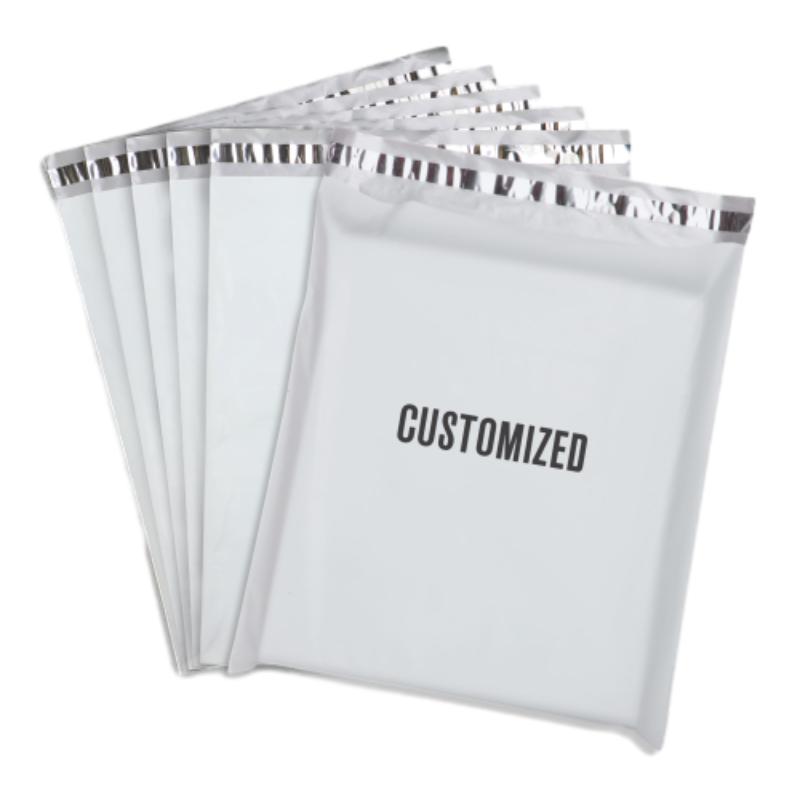
Have the freedom of customizing your custom mailers any way you want! Our dedicated packaging support will help deliver you the mailing experience you need to elevate your shipping experience to the next level! Start making a strong impression on your customers and stand out from your competitors! -
LIYA uses high quality raw materials which directly purchased from large enterprises domestic and overseas such as PetroChina, Sinopec, Sabic, Equate, ExxonMobil, Dow Chemical, Total, and Borouge, ensuring the price advantage and quality of the raw materials. -
LIYA uses high quality raw materials which directly purchased from large enterprises domestic and overseas such as PetroChina, Sinopec, Sabic, Equate, ExxonMobil, Dow Chemical, Total, and Borouge, ensuring the price advantage and quality of the raw materials.

 English
  Arabic
  China
China  French
  Korean
  Russian
  Spanish