Insulated Postage Bags: Essential Solutions for Temperature-Sensitive Shipments
What Are Insulated Postage Bags and Why They Matter Globally
Insulated postage bags might sound like just another packaging item, but they play a surprisingly vital role in today's global economy, public health, and humanitarian efforts. These specialized thermal containers help maintain temperature-sensitive items’ integrity during transit—think vaccines, perishable foods, or delicate electronics. Understanding insulated postage bags isn't just for logistics geeks; it matters because, in our interconnected world, a cold chain break could mean wasted vaccines, spoiled food shipments, and lost revenue on an industrial scale.
From remote clinics in sub-Saharan Africa to Amazon warehouses in the US, insulated postage bags help bridge a critical gap — maintaining quality and safety during shipping without bulky refrigeration. Even more, innovations in this packaging space are shaping sustainability and cost efficiency across industries.
The Global Context: Why Insulated Postage Bags Are Crucial
Globally, the demand for temperature-controlled logistics is surging. The World Bank estimates the cold chain market will exceed $300 billion by 2030, driven largely by pharmaceuticals and e-commerce. And the UN has repeatedly emphasized cold chain integrity, especially amid COVID-19 vaccine distribution challenges across low-income countries.
Yet here's the kicker—many regions still grapple with unreliable electricity or infrastructure, which is where insulated postage bags come into their own. Without these, valuable shipments risk spoilage mid-transit (or worse, public health crises). Their lightness also reduces fuel usage on delivery trucks, indirectly cutting carbon footprints — a modest but worthy win.
Mini takeaway: Insulated postage bags plug a niche critical for equitable global health and e-commerce growth, blending innovation with necessity.
What Exactly Are Insulated Postage Bags?
Put simply, insulated postage bags are lightweight, thermally insulated packaging solutions designed to protect contents from temperature fluctuations during shipment. They typically feature an inner reflective foil lining combined with insulating foam or other materials to create a protective thermal barrier.
Far from just a carrier, these bags are essential in sectors like healthcare, where keeping vaccines between 2°C and 8°C can mean the difference between effective immunization and wasted doses. In the food industry, they preserve freshness and prevent foodborne illnesses during last-mile delivery. In short, an insulated postage bag is more than packaging — it’s a guardian against temperature-driven damage.
Key Features That Make Insulated Postage Bags Work
1. Thermal Insulation Efficiency
The core function hinges on how well the bag maintains internal temperatures despite external swings. This is typically rated by R-value or K-value standards. Effective designs use multi-layered foils and foam composites for maximum efficiency.
2. Durability and Protection
No one wants packaging that tears or leaks mid-shipment. These bags are usually crafted with tear-resistant outer films and leakproof seals that also stand up to rough handling, moisture, and sometimes freezing conditions.
3. Size and Scalability
From small pouches for single-dose pharmaceuticals to larger bags for meal kits, insulated postage bags come in many sizes. Scalability and customization options allow businesses to tailor them to specific volume and product types.
4. Cost Efficiency
While the quality materials come at a price, mass manufacturing and design improvements have brought costs down. Plus, they reduce the need for expensive refrigerated transport, making them a smart choice for many operators.
5. Sustainability Options
Increasingly, manufacturers are turning to recyclable or biodegradable insulation materials, aiming to reduce environmental impact without sacrificing performance.
| Specification | Typical Values / Options |
|---|---|
| Dimensions | Small (15x20cm) to Large (50x60cm) |
| Thermal Insulation | Foil + Polyurethane Foam (R-value ≈ 3.5) |
| Temperature Range | -20°C to +40°C internal stability |
| Material | Multi-layer polyethylene + aluminum foil |
| Seal Type | Self-adhesive or heat-sealed |
| Environmental Compliance | FDA & EU food contact approved; some biodegradable options |
Real-World Applications Across Industries and Regions
It's easy to picture insulated postage bags as simple "nice to have," but their applications ripple across continents and markets far beyond courier services.
- Healthcare: In East Africa, NGOs rely on insulated bags to ship vaccines to remote clinics without costly refrigeration. It has improved immunization coverage dramatically.
- E-commerce and Food Delivery: Urban consumers expect fresh meal kits and groceries fast. Insulated bags keep perishables safe during last-mile delivery in dense cities like New York or London.
- Pharmaceutical Warehousing: Large biopharma companies use these bags internally for transporting temperature-sensitive compounds between production facilities and labs.
- Humanitarian Aid: Post-disaster relief operations, such as after typhoons in Southeast Asia, use insulated postage bags to distribute food and medical supplies in unpredictable conditions.
- Industrial Samples: Chemical and electronics companies use them globally for sample shipments that require strict temperature margins.
Mini takeaway: Whether you're supplying villagers or billion-dollar labs, insulated postage bags are quietly the unsung heroes in many corners of the supply chain.
The Long-Term Benefits of Using Insulated Postage Bags
The benefits go beyond mere temperature control. By reducing product spoilage, companies save money and reduce waste, supporting sustainability goals. Customers gain trust knowing deliveries arrive intact, preserving dignity, especially in healthcare.
There’s also an emotional side — the feeling patients get knowing their vaccines were kept safe, or the pride retailers take in delivering fresh goods to their communities. In a world craving reliability and empathy, insulated postage bags foster that quiet confidence.
What’s Next? Innovations Changing Insulated Postage Bags
Advances in materials science are pushing boundaries — from phase change materials that absorb heat to improve thermal buffering, to fully recyclable thermo-insulative composites. Digital integration is another frontier, with some smart bags featuring embedded temperature sensors that send real-time data via IoT platforms.
Automation and AI also promise smarter logistics where these bags play a role—optimizing routes and packaging dynamically. Plus, as consumers demand greener products, the push for compostable and reusable insulated bags gains urgency.
Common Challenges and How the Industry is Tackling Them
- Cost vs. Performance: High insulation performance often demands costly materials. Manufacturers are experimenting with innovative, lower-cost foams and recycled materials.
- Disposal and Environmental Impact: Traditional insulated bags aren’t always eco-friendly. New biodegradable options and closed-loop recycling programs are starting to address this concern.
- Ensuring Consistent Seal Integrity: Seal failures can lead to spoilage. Advances in seal technologies, including heat seals and tamper-evident adhesives, are improving reliability.
In real terms, it often feels like a delicate dance between durability, cost, and green credentials — but the industry's creative minds continue to push forward.
FAQ: Your Questions on Insulated Postage Bags, Answered
- Q: How long can insulated postage bags keep items cold without additional ice packs?
- A: Typically, most insulated bags maintain safe temperatures for 6-12 hours under moderate ambient conditions. However, combining with ice packs or gel packs extends this duration considerably for longer shipments.
- Q: Are insulated postage bags reusable or single-use?
- A: Many models are designed for single use due to hygiene concerns, especially in healthcare. But reusable variants with more durable materials and cleaning protocols are emerging for eco-conscious businesses.
- Q: Can these bags be customized for specific products?
- A: Absolutely. Sizes, insulation thickness, sealing methods, and branding all can be customized. Customization helps optimize thermal performance and improves brand visibility.
- Q: Do insulated postage bags really reduce the need for refrigerated transport?
- A: To some extent, yes. They are ideal for the last-mile segment or short shipments, reducing reliance on costly refrigerated trucks. But for long-hauls, chilled vehicles remain necessary.
- Q: How do I ensure compliance with shipping regulations when using insulated bags?
- A: Work with suppliers who provide certification for food contact safety, pharmaceutical compliance, and international shipping standards. Proper labeling and documentation also help avoid customs issues.
Wrapping It Up: Why Insulated Postage Bags Are Worth the Investment
To sum it up, insulated postage bags are much more than shipping accessories — they’re a keystone in preserving product integrity, enabling global health initiatives, and supporting sustainable delivery ecosystems. Their evolution mirrors the bigger picture of how logistics and environmental responsibility collide.
Interested in elevating your cold chain game? Visit our website for a range of insulated postage bags designed to meet diverse industry needs.
Vendor Comparison Table
| Vendor | Key Features | Price Range (USD) | Sustainability | Typical Lead Time |
|---|---|---|---|---|
| Liya BioBag | FDA approved, customizable sizes, eco-friendly materials | $1.20 - $5.00/unit | 95% recyclable materials | 2-3 weeks |
| ThermaPack Inc. | Heavy-duty insulation with phase-change tech | $2.00 - $6.50/unit | Limited biodegradable options | 3-4 weeks |
| EcoShip Solutions | Fully compostable bags, compost certification | $1.50 - $4.00/unit | 100% compostable materials | 4-5 weeks |
Quick reflection: It’s fascinating how something as "small" as insulated postage bags weave into such a vast tapestry — from saving lives in rural clinics to reducing carbon footprints in bustling cities. Sometimes, the thing you hardly notice is actually the linchpin holding it all together.
References
-
Secure Shipping Guide with Poly Mailer Bubble Wrap SolutionsNewsApr.16,2026
-
Secure Shipping Guide for Using Durable Bubble Parcel BagsNewsApr.09,2026
-
Comprehensive Guide to Poly Mailer Bubble for Secure and Efficient ShippingNewsApr.07,2026
-
Elevate Your Brand with Custom Designer Bubble Mailers for Effective PackagingNewsApr.04,2026
-
Comprehensive Guide to Poly Mailers with Bubble Wrap for Secure ShippingNewsMar.31,2026
-
Comprehensive Guide to Large Bubble Poly Mailers for Secure and Efficient ShippingNewsMar.28,2026
-
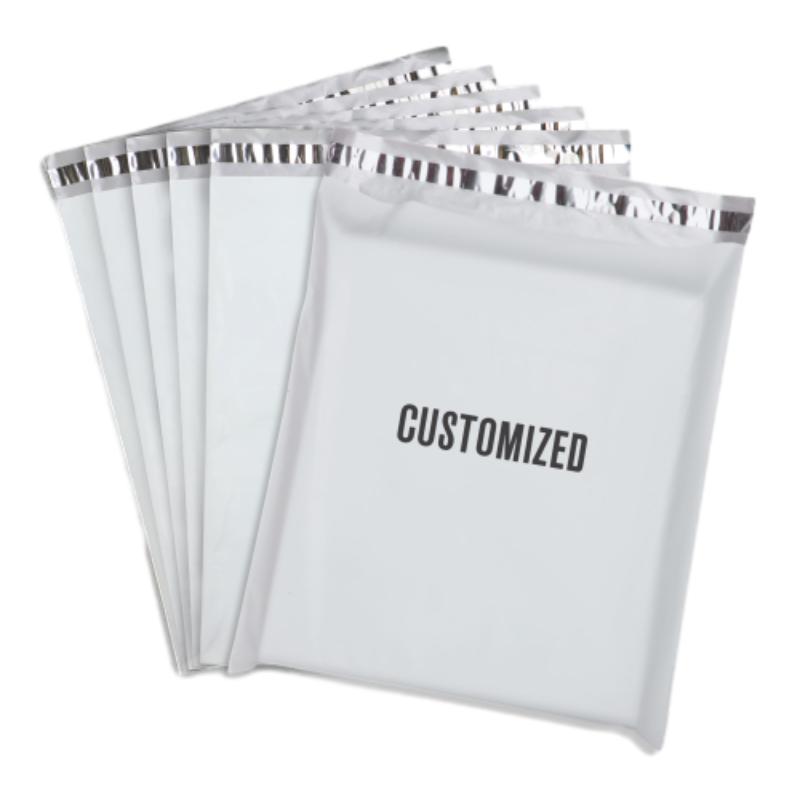
Have the freedom of customizing your custom mailers any way you want! Our dedicated packaging support will help deliver you the mailing experience you need to elevate your shipping experience to the next level! Start making a strong impression on your customers and stand out from your competitors! -
LIYA uses high quality raw materials which directly purchased from large enterprises domestic and overseas such as PetroChina, Sinopec, Sabic, Equate, ExxonMobil, Dow Chemical, Total, and Borouge, ensuring the price advantage and quality of the raw materials. -
LIYA uses high quality raw materials which directly purchased from large enterprises domestic and overseas such as PetroChina, Sinopec, Sabic, Equate, ExxonMobil, Dow Chemical, Total, and Borouge, ensuring the price advantage and quality of the raw materials.
 English
  Arabic
  China
China  French
  Korean
  Russian
  Spanish