Silver Mailing Bags | Durable, Eco-friendly Protective Mailers for Secure Shipping
Silver Mailing Bags: A Small Package with Big Impact
In today’s hyper-connected world, where shipping and secure delivery matter more than ever, silver mailing bags have quietly become a packaging hero. These unassuming yet robust envelopes are not only about aesthetics—they’re about combining protection, sustainability, and efficiency in one sleek package.
Understanding what silver mailing bags are, how they're used globally, and why more industries are turning to them opens a window into modern logistics, environmental stewardship, and cost-effective shipping solutions.
Why Silver Mailing Bags Matter Globally
The global shipping and courier market is booming. According to the World Bank, e-commerce volumes have skyrocketed, putting pressure on packing materials to become smarter, lighter, and more sustainable. Silver mailing bags, often made from metallized films or foil laminates, offer superior protection against moisture, tampering, and static—all while being lightweight enough to keep shipment costs down.
Yet, there's an environmental challenge. The packaging waste generated by the postal and courier industry totals millions of tons annually (source). Silver mailing bags help tackle this by potentially using recyclable or partially recycled materials, signaling a shift toward circular economy practices.
Mini takeaway:
Silver mailing bags matter not just for secure transport but also for reducing the environmental footprint of global shipping.
What Exactly Are Silver Mailing Bags?
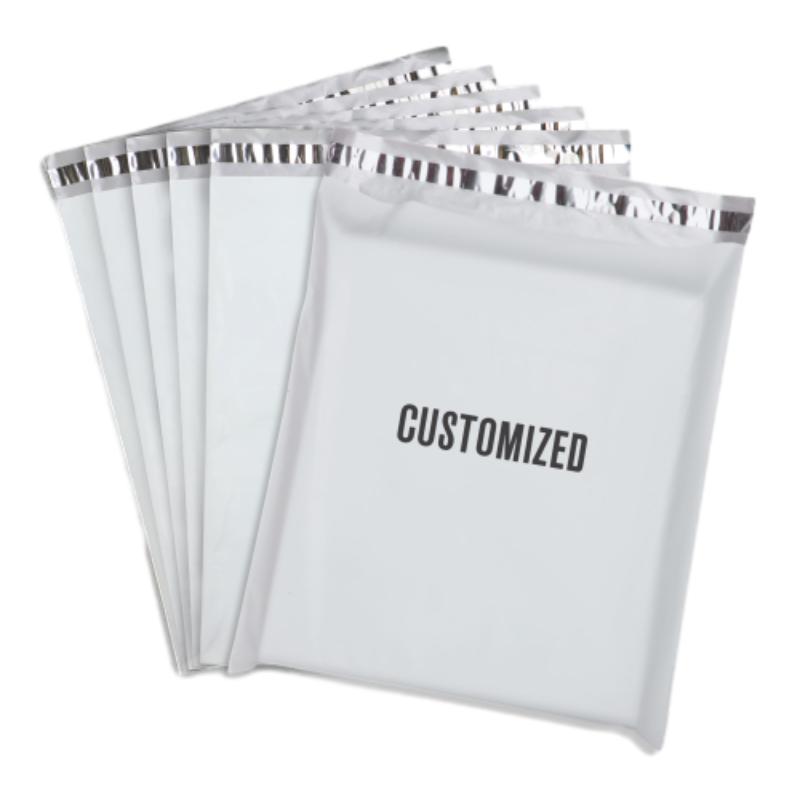
Simply put, silver mailing bags are lightweight poly or foil envelopes with a reflective, often metallic, silver finish. They combine a few layers—a sturdy polymer base, usually polyethylene, with a metallized coating that provides enhanced barrier properties.
They differ from plain poly mailers because their metallic surface adds water resistance, UV protection, and offers a degree of tamper evidence. You’ll often find them used for shipping electronics, pharmaceuticals, confidential documents, or even premium fashion goods that require a bit of presence (that subtle shimmer is oddly reassuring).
In humanitarian contexts, their protective qualities make them handy for sending relief supplies or confidential materials to remote areas where harsh weather or rough handling is common.
Mini takeaway:
Think of silver mailing bags as poly mailers wearing a high-tech metallic suit—built for protection and presentation.
Core Features of Silver Mailing Bags and Why They Matter
Durability and Protection
The multilayer construction gives these bags remarkable toughness. They guard against moisture, dust, and air infiltration. For industries like electronics or pharmaceuticals, that’s critical. Imagine shipping sensitive items without worrying about humidity-induced damage.
Lightweight and Cost Efficiency
Compared to boxes or padded mailers, silver mailing bags shave off weight significantly. This cuts shipping fees and reduces energy use over time, an appealing factor as fuel costs climb and carbon footprints come under scrutiny.
Security and Tamper Evidence
The packaging's metallic finish not only protects contents but also can reveal tampering—rip-offs or pilfering tend to leave obvious marks. Some brands even add tamper-proof adhesives or security prints for extra assurance.
Sustainability and Recyclability
While composite materials can make recycling tougher, many manufacturers are innovating with biodegradable or recyclable metallized coatings. Alongside thinner materials, these bags are stepping up their eco game.
Customizability and Branding
Silver mailing bags present a sleek look that brands love. They print well with logos, quick response codes, or promotions, turning a protective envelope into a marketing tool.
Mini takeaway:
- Durability keeps contents intact and safe.
- Lightweight reduces shipping costs and emissions.
- Security features protect trust and integrity.
- Sustainability options align with greener business practices.
How Silver Mailing Bags Are Used Across The Globe
From bustling urban warehouses in Europe to remote clinics in Africa, silver mailing bags are versatile.
- In e-commerce: Retailers worldwide use them for shipping clothing, electronics, and cosmetics safely and stylishly.
- Pharmaceutical distribution: Their moisture barrier keeps medicines stable en route to health centers in Southeast Asia.
- Humanitarian aid: NGOs send important documents and discreet supplies during emergencies, where rugged packaging is vital.
- Industrial parts transport: Factories use them to ship small, sensitive components without bulky packaging.
Oddly enough, regions with unpredictable weather, like coastal South America or tropical Pacific islands, especially appreciate how these bags stand up to humidity and salt air.
Mini takeaway:
Silver mailing bags bridge sectors and geographies, from luxury retailers in Paris to frontline relief teams in disaster zones.
Product Specifications at a Glance
| Specification | Typical Value | Notes |
|---|---|---|
| Material | Polyethylene + Metallized Polyester Film | Provides barrier and durability |
| Thickness | 50-80 microns | Varies by application |
| Closure Type | Self-adhesive strip | Tamper-evident option available |
| Water Resistance | Excellent | Protects against moisture ingress |
| Recyclability | Partial, evolving technology | Depends on local recycling capabilities |
Comparing Top Silver Mailing Bag Vendors
| Vendor | Material Quality | Eco Initiatives | Customization | Price Range (USD) |
|---|---|---|---|---|
| SilverWrap Co. | High | Recyclable liners | Full print & size options | $0.20 - $0.50 per bag |
| EcoSilver Packaging | Medium | Compostable versions | Limited colors, logos | $0.15 - $0.40 per bag |
| MetroMail Solutions | High | Recyclable & reduced plastics | Custom security features | $0.22 - $0.55 per bag |
Why Choose Silver Mailing Bags? Advantages and Lasting Value
Frankly, the advantages go beyond the shiny look. Their durability means fewer returns due to damaged goods—cutting hidden costs for sellers. Because they’re lightweight, shipping is cheaper and emissions lower, touching on corporate social responsibility goals.
On a human level, many recipients appreciate the feeling of getting something wrapped up safe and sleek—a small but telling signal of care. Plus, brands using silver mailing bags can boost customer loyalty by standing out in a sea of plain packages.
Looking Ahead: Innovations and Sustainable Trends
What’s next for silver mailing bags? There’s a push for bio-based films that retain barrier properties but degrade naturally. Automation in printing and packaging means faster customization, while digital tracking codes ensure transparency in last-mile delivery.
Policies encouraging packaging recyclability (like those from the ISO and EU directives) will accelerate adoption of greener mailers. The folks in R&D labs are also exploring antimicrobial coatings, which could change the game for medical and food shipments.
Challenges and Possible Solutions
Of course, silver mailing bags aren’t perfect. Composite layers can be tricky for recycling today—some communities simply lack facilities. Moreover, tamper evidence isn’t foolproof, so integrating smart tech like RFID tags might help.
To tackle these, manufacturers are experimenting with mono-material designs and improved adhesives. Pilot programs test take-back schemes for used mailers, encouraging consumers to return packaging for recycling.
FAQ: Your Questions About Silver Mailing Bags
Q1: Are silver mailing bags waterproof?
Yes, their metallized polyester film layers provide excellent resistance against water and moisture, keeping your contents safe during transit.
Q2: Can I recycle silver mailing bags?
It depends on your local recycling capabilities. While some components complicate recycling, newer bags claim partial recyclability and some brands offer take-back programs to improve sustainability.
Q3: How do silver mailing bags compare to bubble mailers?
Silver mailing bags are lighter and provide good moisture and UV protection but lack built-in cushioning. Bubble mailers are better for fragile items but are bulkier and heavier.
Q4: Are these bags suitable for international shipping?
Absolutely. Their durability and tamper evidence make silver mailing bags a great choice for reliably shipping items overseas, even to challenging environments.
Wrapping Up: Why Silver Mailing Bags Should Be On Your Radar
Silver mailing bags pack quite the punch—they're more than just eye candy. Thoughtful design, material innovation, and a growing focus on sustainability make them a savvy choice for businesses and NGOs alike. As eco-consciousness and logistics pressure mount, these shimmering envelopes offer a practical, cost-efficient, and increasingly green solution.
Want to explore how silver mailing bags could elevate your packaging game? Visit our website for more info and options tailored to your needs.
References
-
Secure Shipping Guide with Poly Mailer Bubble Wrap SolutionsNewsApr.16,2026
-
Secure Shipping Guide for Using Durable Bubble Parcel BagsNewsApr.09,2026
-
Comprehensive Guide to Poly Mailer Bubble for Secure and Efficient ShippingNewsApr.07,2026
-
Elevate Your Brand with Custom Designer Bubble Mailers for Effective PackagingNewsApr.04,2026
-
Comprehensive Guide to Poly Mailers with Bubble Wrap for Secure ShippingNewsMar.31,2026
-
Comprehensive Guide to Large Bubble Poly Mailers for Secure and Efficient ShippingNewsMar.28,2026
-
Have the freedom of customizing your custom mailers any way you want! Our dedicated packaging support will help deliver you the mailing experience you need to elevate your shipping experience to the next level! Start making a strong impression on your customers and stand out from your competitors! -
LIYA uses high quality raw materials which directly purchased from large enterprises domestic and overseas such as PetroChina, Sinopec, Sabic, Equate, ExxonMobil, Dow Chemical, Total, and Borouge, ensuring the price advantage and quality of the raw materials. -
LIYA uses high quality raw materials which directly purchased from large enterprises domestic and overseas such as PetroChina, Sinopec, Sabic, Equate, ExxonMobil, Dow Chemical, Total, and Borouge, ensuring the price advantage and quality of the raw materials.
 English
  Arabic
  China
China  French
  Korean
  Russian
  Spanish