Comprehensive Guide to Postal Poly Bags: Durable, Cost-Effective Shipping Solutions
Understanding Postal Poly Bags: The Backbone of Secure Shipping Solutions
Postal poly bags might not be the flashiest topic at first glance, but if you pause to think about the sheer volume of parcels crisscrossing the globe every day, you'll soon appreciate their immense importance. In a world shifting rapidly towards online shopping and fast delivery networks, these unsung heroes of logistics make sure your discrete package gets from A to B intact and secure.
With e-commerce exploding worldwide (worldwide e-commerce sales hit about $5.5 trillion in 2022 according to UNCTAD), postal poly bags grow ever more relevant. They collectively solve real problems related to packaging costs, protection against physical damage, and even environmental impact. Knowing their benefits can help businesses large and small optimize shipping sustainably and cost-effectively.
Global Context: Why Postal Poly Bags Matter More Than Ever
From the bustling markets of Asia to the large postal operators in Europe and North America, postal poly bags are everywhere. Oddly enough, their dominance is tightly linked with digital transformation and globalization of supply chains. According to the International Organization for Standardization (ISO), packaging standards are key to ensuring compatibility and safety across national borders.
Yet, challenges remain–postal systems often deal with damaging weather, tampering risks, and waste disposal issues. Postal poly bags address many of these challenges because they combine affordability with flexibility and durability. For humanitarian organizations, these bags also represent a dependable way to send critical documents or small supplies to remote areas, where alternatives might be lacking.
What Exactly Are Postal Poly Bags?
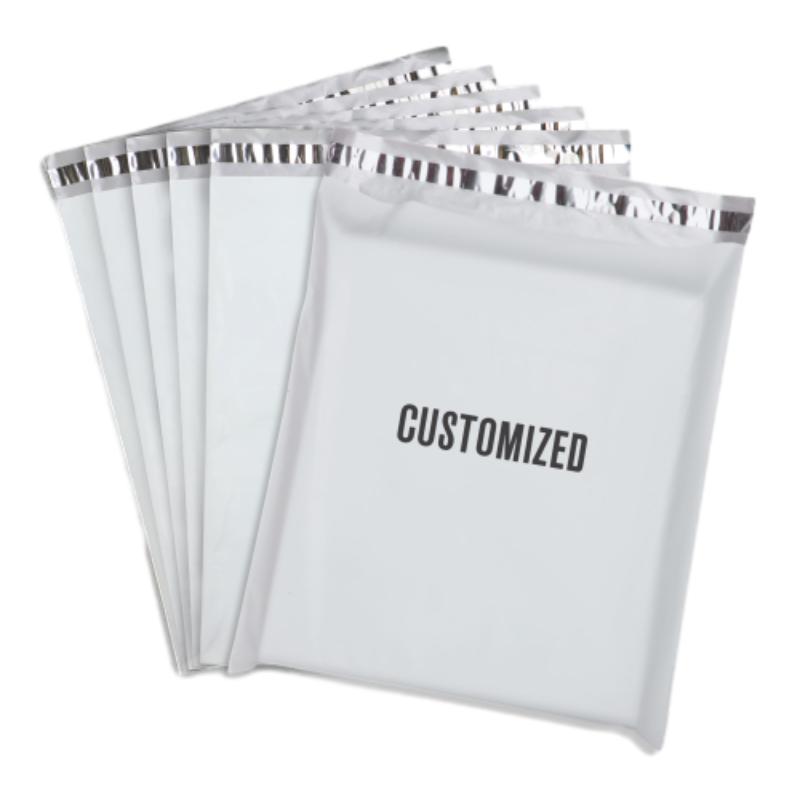
In essence, postal poly bags are lightweight, flexible plastic envelopes made primarily from polyethylene. They’re designed to safely enclose parcels—especially small to mid-sized items—that don’t require rigid boxes. Their thin yet tough exterior protects contents from moisture, dirt, and mechanical stress during transit.
Beyond mere packaging, they embody a link between industrial efficiency and customer experience. Postal poly bags often include tamper-evident seals or writable surfaces for addresses, blending shipping convenience with security. Such features become critical for postal services handling millions of parcels daily.
Key Features of Postal Poly Bags
Durability & Tear Resistance
Despite their thin profile, postal poly bags are incredibly resilient to tearing and puncturing. The polyethylene films used frequently come with enhanced tensile strengths or multi-layer lamination, which means your shipment can take some serious bumps without opening prematurely.
Scalability & Versatility
You can find these bags in all sizes—from small document envelopes to giant courier pouches. Their manufacturing process allows fast scaling, so suppliers can meet bulk demands during peak seasons like holiday shopping.
Cost Efficiency
Compared to traditional cardboard boxes, poly bags are significantly cheaper to produce and ship due to their reduced weight and volume. Frankly, it feels like every logistics operator loves cutting those costs while improving protection.
Security Features
Many postal poly bags come with self-sealing adhesives and printed tamper-evident elements. This increases trust between sender and receiver, reducing theft or accidental openings.
Sustainability Efforts
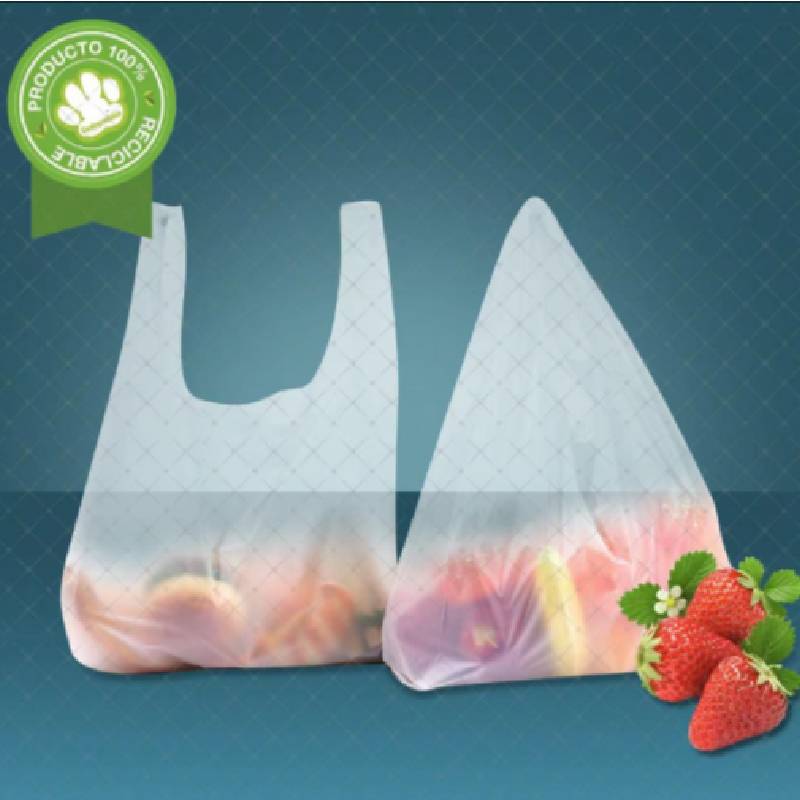
Though made from plastic, modern postal poly bags increasingly use recyclable or biodegradable materials. Companies are starting to embrace closed-loop recycling programs, reflecting industry-wide pressure to reduce environmental footprints.
Postal Poly Bags Product Specification Table
| Spec | Description |
|---|---|
| Material | Low-Density Polyethylene (LDPE), recyclable grades available |
| Thickness | 40 - 100 microns (customizable) |
| Sealing | Tamper-evident self-adhesive strips |
| Sizes Available | From 4x6 inches up to 18x24 inches |
| Color Options | Clear, opaque white, custom branding prints |
| Moisture Resistance | High resistance, protects from water & dust penetration |
Where Are Postal Poly Bags Used Across the Globe?
From ecommerce giants in North America to developing nations relying on reliable mail services, postal poly bags appear everywhere. Big brands use them to reduce shipping costs and improve durability, while NGOs depend on their low weight and easy transportability in humanitarian efforts.
For example:
- Disaster Relief Operations: In post-disaster zones like parts of Southeast Asia, aid agencies package emergency supplies using water-resistant poly bags to ensure items arrive safely despite poor road infrastructure.
- Remote Industrial Zones: Miners and oilfield operators in harsh climates use rugged postal poly bags to securely ship tools and documents.
- Postal Services Worldwide: Large mail companies integrate these bags to improve throughput while ensuring customer privacy and package integrity.
Clearly, their functional design bridges the gap between protection, convenience, and cost-effectiveness — a rare trifecta.
Comparing Leading Postal Poly Bag Vendors
| Vendor | Material Options | Customization | Typical Lead Time |
|---|---|---|---|
| Liya Bio Bag | Standard & bio-based polyethylene blends | Full branding & size customization | 2-3 weeks |
| GlobalPack Solutions | Mainly LDPE, some recycled materials | Limited colors, standard sizes | 3-4 weeks |
| EcoShip Corporations | Biodegradable polymers only | Custom prints on request | 4-6 weeks |
The Advantages & Longer-Term Value of Postal Poly Bags
There’s a lot to like about postal poly bags beyond just the price. They reduce bulk, which lowers fuel consumption in transport—contributing to a small but meaningful reduction in carbon footprint. Shipping safely preserves trust and brand reputation, critical commodities nowadays.
On the emotional side, consider the reassurance customers feel when their parcels arrive intact, thanks to a well-sealed poly bag. On the logical side, companies keep costs down while enhancing supply chain flexibility.
Future Trends & Innovations in Postal Poly Bags
The future looks greener and smarter. Innovations include tougher biodegradable materials that break down faster post-use, or integrating QR codes and RFIDs directly on bags to enhance shipment tracking. Automation in production is also improving turnaround times and customization options.
Plus, some vendors experiment with embedding anti-microbial layers or electrically conductive films for ultra-secure postal items. Postal poly bags may seem simple — but innovation is quietly transforming them.
Challenges & Expert Solutions
Of course, no material is perfect. Poly bags still face criticism about plastic waste and limited reuse options. Additionally, extreme temperatures or careless handling can sometimes compromise their integrity. Experts suggest adopting more recyclable materials, enhancing take-back programs, and training shipping personnel on appropriate bag handling.
FAQ: Common Questions About Postal Poly Bags
- Q: Are postal poly bags recyclable?
A: Many postal poly bags are recyclable, especially those made from LDPE (coded as #4 recyclables). It's important to check local recycling capabilities as not all facilities accept them. Increasingly, biodegradable or bio-based options are becoming available to tackle environmental concerns. - Q: Can postal poly bags protect against moisture?
A: Yes, their polyethylene composition provides excellent resistance to water and dust penetration, keeping contents dry and clean during shipping. - Q: How customizable are these bags?
A: Very customizable. Vendors often offer different sizes, colors, tamper-evident seals, and branding prints to fit specific business needs. - Q: Do postal poly bags meet international mailing standards?
A: Most bags comply with international postal regulations, especially those certified by ISO or postal authorities. It's advisable to confirm specific size and security requirements for international shipments. - Q: What makes postal poly bags cost-effective?
A: Their lightweight profile reduces shipping costs, and bulk manufacturing lowers unit prices. They also eliminate the need for heavier outer packaging in many cases.
Conclusion: Why Postal Poly Bags Are a Smart Shipping Investment
In real terms, postal poly bags elegantly solve the puzzle of secure, affordable, and scalable parcel protection. Businesses that invest in high-quality poly bags often see improved customer satisfaction, lower shipping damages, and an increasingly positive environmental footprint.
If you're looking to streamline your packaging or explore sustainable options, check out postal poly bags from trusted suppliers — a surprisingly simple upgrade for your logistics.
Takeaway: Small packaging choices often make the biggest global impact. Postal poly bags prove that well.
References
-
Secure Shipping Guide with Poly Mailer Bubble Wrap SolutionsNewsApr.16,2026
-
Secure Shipping Guide for Using Durable Bubble Parcel BagsNewsApr.09,2026
-
Comprehensive Guide to Poly Mailer Bubble for Secure and Efficient ShippingNewsApr.07,2026
-
Elevate Your Brand with Custom Designer Bubble Mailers for Effective PackagingNewsApr.04,2026
-
Comprehensive Guide to Poly Mailers with Bubble Wrap for Secure ShippingNewsMar.31,2026
-
Comprehensive Guide to Large Bubble Poly Mailers for Secure and Efficient ShippingNewsMar.28,2026
-
Have the freedom of customizing your custom mailers any way you want! Our dedicated packaging support will help deliver you the mailing experience you need to elevate your shipping experience to the next level! Start making a strong impression on your customers and stand out from your competitors! -
LIYA uses high quality raw materials which directly purchased from large enterprises domestic and overseas such as PetroChina, Sinopec, Sabic, Equate, ExxonMobil, Dow Chemical, Total, and Borouge, ensuring the price advantage and quality of the raw materials. -
LIYA uses high quality raw materials which directly purchased from large enterprises domestic and overseas such as PetroChina, Sinopec, Sabic, Equate, ExxonMobil, Dow Chemical, Total, and Borouge, ensuring the price advantage and quality of the raw materials.
 English
  Arabic
  China
China  French
  Korean
  Russian
  Spanish