In the rapidly evolving landscape of global e-commerce, the importance of first impressions cannot be overstated. custom mail bags for shipping have emerged as a critical touchpoint between brands and their customers, transforming a simple delivery into a curated brand experience. By blending functional protection with strategic aesthetics, these shipping solutions ensure that products reach their destination safely while simultaneously communicating a company's identity and values.
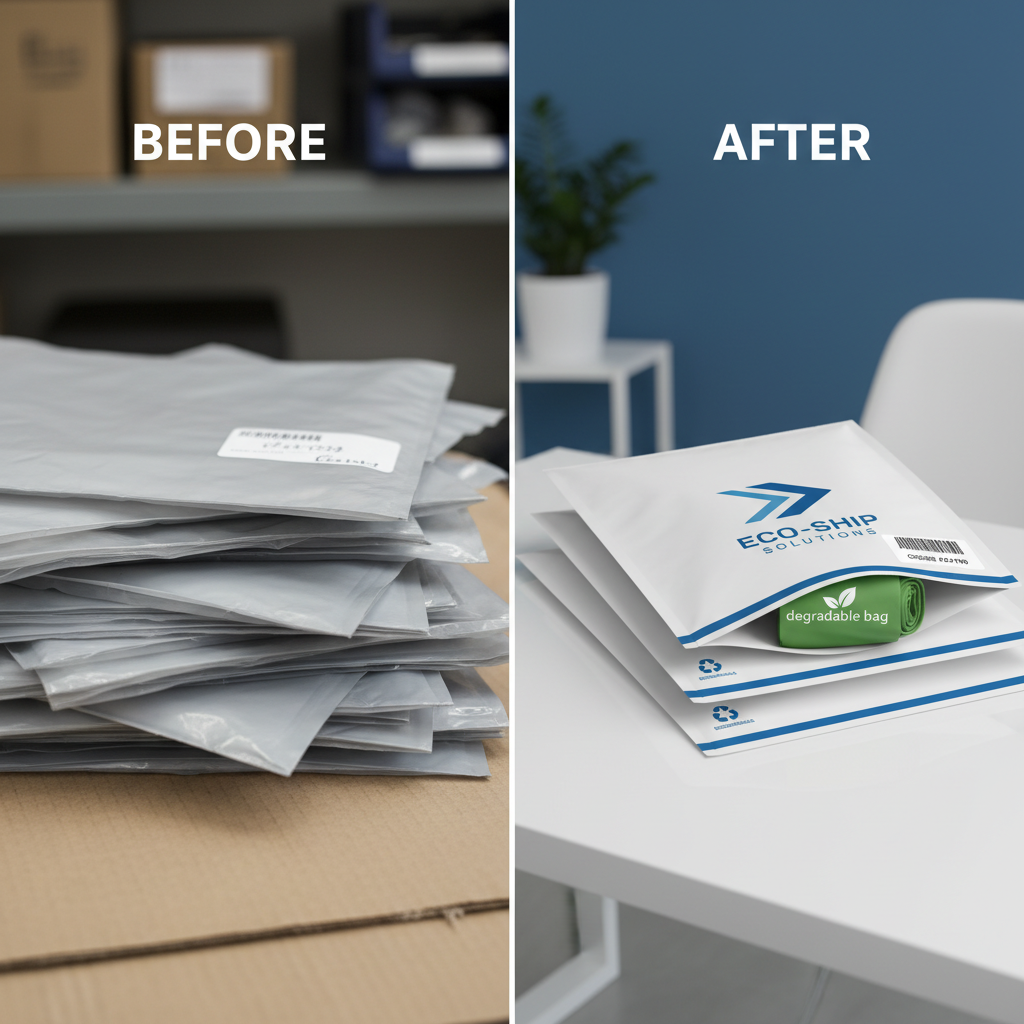
The global shift toward direct-to-consumer (DTC) models has intensified the demand for packaging that is not only durable but also customizable. Businesses are no longer satisfied with generic grey poly mailers; they are seeking ways to reduce volumetric weight, lower shipping costs, and enhance the "unboxing" experience. This transition is driven by the need for scalability and a desire to differentiate in a saturated marketplace where packaging often serves as the primary physical marketing tool.
Understanding the technical nuances of custom mail bags for shipping—from material thickness (measured in microns) to the chemistry of biodegradable polymers—allows businesses to optimize their supply chain. Whether it is integrating eco-friendly materials to meet ESG goals or utilizing high-tensile plastics for industrial-grade protection, the right choice of shipping bag can significantly impact operational efficiency and customer loyalty.
Global Industry Context of Custom Mail Bags for Shipping
The global logistics sector has witnessed a paradigm shift as e-commerce penetration continues to climb. According to recent trade data and ISO standards for packaging, the volume of parcels shipped globally has increased exponentially, leading to a critical need for lightweight yet resilient materials. custom mail bags for shipping address the challenge of "dimensional weight" pricing, where carriers charge based on the volume of the package rather than just its weight.
This industry context is further complicated by the global push for sustainability. With the UN's Sustainable Development Goals focusing on responsible consumption and production, manufacturers are pivoting from traditional single-use plastics to compostable and recycled polymers. The challenge lies in maintaining the puncture resistance and waterproof nature of the bags while ensuring they can break down safely in industrial composting environments.
Defining Custom Mail Bags for Shipping in Modern Logistics
At its core, custom mail bags for shipping are specialized flexible packaging solutions designed to protect goods during transit from a warehouse to the end consumer. Unlike standard boxes, these bags are typically constructed from Low-Density Polyethylene (LDPE) or biodegradable alternatives, featuring a strong adhesive strip for secure sealing and a customizable exterior for branding.
In the context of modern industry, these bags represent the intersection of material science and marketing. They are not merely containers but are engineered tools that optimize the shipping process by reducing waste and improving the speed of packing. For high-volume shippers, the transition to custom mailers means a reduction in packaging time and a significant decrease in the amount of void-fill material required.
Beyond commercial use, these solutions play a vital role in humanitarian logistics. In disaster-relief operations, lightweight, waterproof, and clearly labeled custom mail bags allow for the rapid distribution of medicine and essential supplies in remote areas where traditional rigid packaging would be too bulky or fragile to transport efficiently.
Core Components of High-Performance Shipping Bags
The effectiveness of custom mail bags for shipping depends largely on material durability. High-grade poly mailers utilize co-extrusion technology, layering different types of plastics to create a bag that is tear-resistant on the outside and moisture-proof on the inside, ensuring that the contents remain pristine regardless of weather conditions.
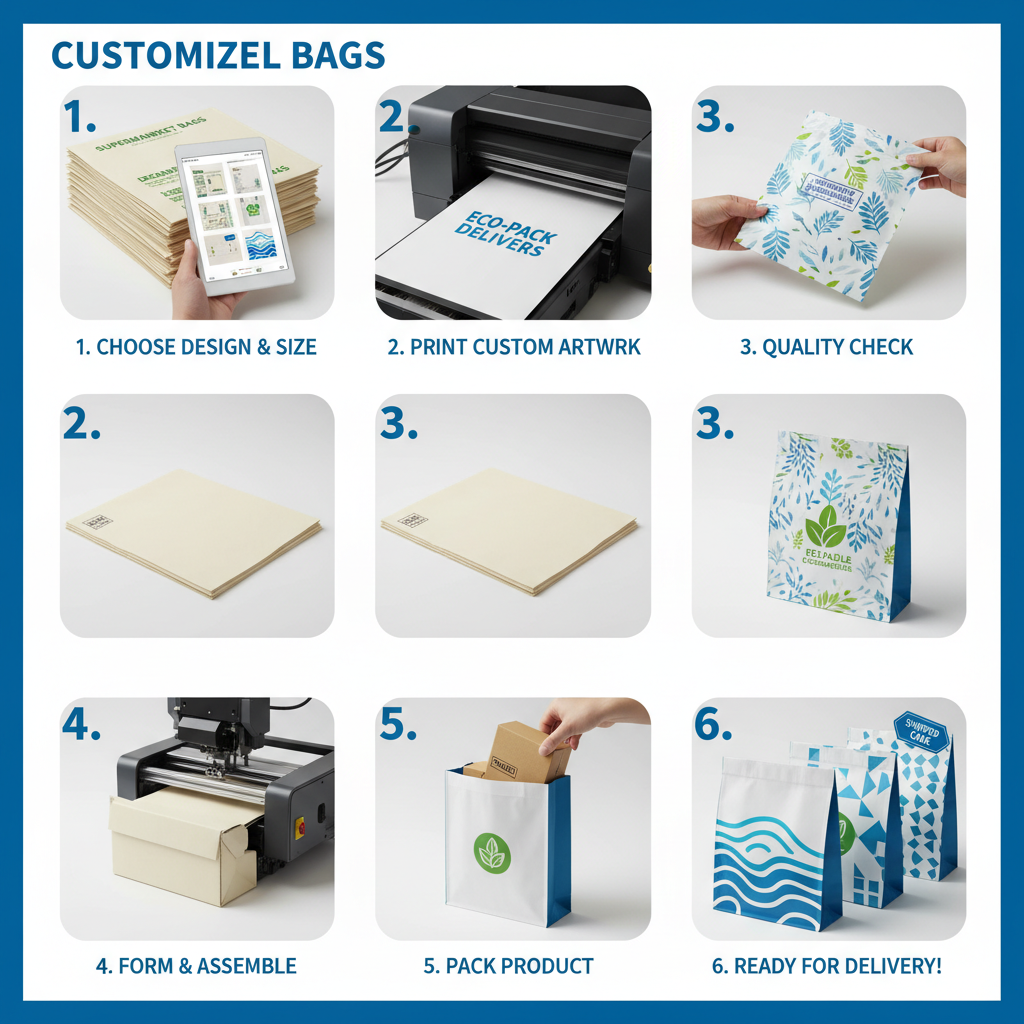
Scalability and customization are the secondary pillars. Modern printing techniques, such as gravure or flexographic printing, allow brands to apply high-resolution logos and instructions directly onto the custom mail bags for shipping. This removes the need for separate labels, streamlining the fulfillment process and reducing the risk of label detachment during transit.
Finally, cost efficiency is achieved through precision sizing. By creating bags that fit the product perfectly, companies eliminate the need for expensive fillers and reduce the overall carbon footprint of each shipment. This meticulous approach to design transforms the shipping bag from a commodity into a strategic asset for operational lean management.
Practical Applications and Global Use Cases
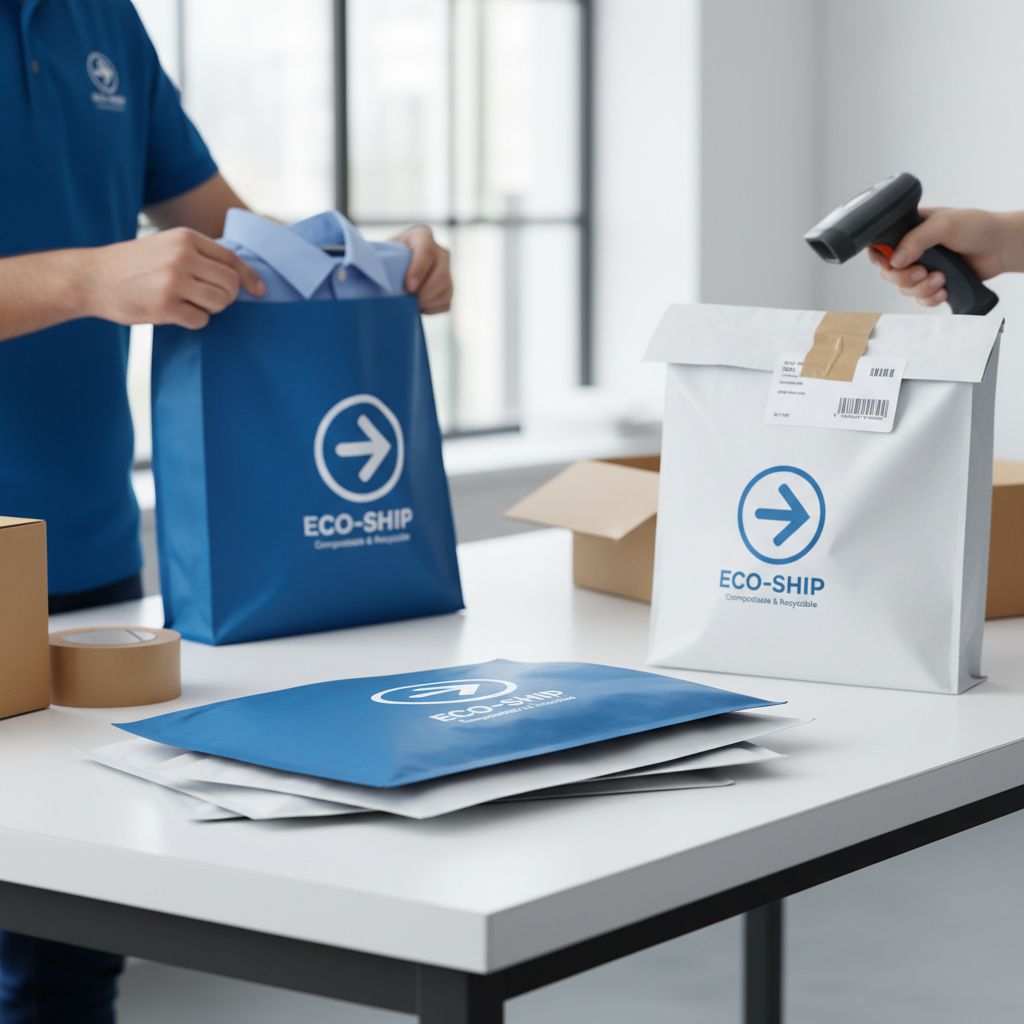
The application of custom mail bags for shipping spans across diverse sectors. In the fashion industry, apparel brands use these bags to prevent fabric snagging and water damage while showcasing their brand colors. In the electronics sector, anti-static versions of custom mailers are utilized to protect sensitive components from electrostatic discharge during long-haul flights.
Geographically, we see varying implementations. In the dense urban markets of Southeast Asia, lightweight custom mailers are preferred for their ease of handling by motorcycle couriers. Conversely, in North American logistics, larger, heavy-duty custom bags are used to replace small cardboard boxes, significantly reducing the volume of waste generated at the customer's doorstep.
Performance Metrics of Various Custom Mail Bags for Shipping
Strategic Advantages and Long-Term Value
Investing in custom mail bags for shipping provides a multifaceted advantage. From a logical perspective, the reduction in weight and volume translates directly into lower postage costs and increased profit margins. Moreover, the security provided by tamper-evident seals reduces the rate of shipping losses and fraudulent claims, protecting the company's bottom line.
From an emotional and brand-centric angle, the unboxing experience is the only physical interaction a customer has with an online store. A high-quality, branded custom mailer signals professionalism and care, fostering trust and psychological satisfaction. When a customer receives a package that feels premium and is easy to open, it enhances the perceived value of the product inside, driving repeat purchases and organic word-of-mouth growth.
Future Trends in Sustainable Packaging Innovation
The future of custom mail bags for shipping is inextricably linked to the "Circular Economy." We are seeing a move toward mono-material construction, which makes the bags 100% recyclable without the need to separate different plastic layers. This innovation ensures that packaging does not end up in landfills but returns to the production cycle as raw material.
Digital transformation is also playing a role. The integration of QR codes and NFC tags directly into the design of custom mail bags allows brands to engage customers digitally the moment the package arrives. This creates a seamless bridge between the physical delivery and digital loyalty programs, turning the shipping bag into an interactive marketing portal.
Furthermore, the development of seaweed-based and mushroom-based polymers is poised to replace petroleum-based plastics entirely. These next-generation custom mail bags for shipping will be home-compostable, dissolving safely in soil or water within weeks, thereby eliminating the microplastic pollution problem that has plagued the industry for decades.
Overcoming Common Challenges in Shipping Logistics
Despite the benefits, businesses often face challenges such as maintaining a balance between sustainability and strength. Some early biodegradable custom mail bags for shipping suffered from low puncture resistance. The solution has been the development of advanced PLA (Polylactic Acid) blends and PBAT polymers that mimic the strength of traditional plastic while remaining compostable.
Another common hurdle is the minimum order quantity (MOQ) often required for high-quality custom printing. To solve this, manufacturers are adopting digital printing technologies that allow for smaller batches and more frequent design updates, enabling small-to-medium enterprises (SMEs) to compete with global giants in terms of packaging quality.
Lastly, the issue of "over-packaging" remains a concern for eco-conscious consumers. Expert insights suggest moving toward "right-size" packaging strategies, where AI-driven software calculates the optimal dimensions for a custom mailer based on the order contents, ensuring that not a single square centimeter of material is wasted.
Technical Analysis of Custom Mail Bags for Shipping Materials
| Material Type |
Puncture Resistance |
Eco-Impact Score |
Cost per Unit |
| Standard LDPE |
High (9/10) |
Low (3/10) |
Low |
| Compostable PBAT |
Medium (7/10) |
Very High (10/10) |
Medium-High |
| Recycled HDPE |
High (8/10) |
High (8/10) |
Medium |
| Co-extruded Poly |
Very High (10/10) |
Low (4/10) |
Low-Medium |
| Bio-Poly Blend |
Medium-High (8/10) |
Medium-High (7/10) |
High |
| Reinforced Nylon |
Extreme (10/10) |
Low (2/10) |
High |
FAQS
Custom mail bags are significantly lighter and more space-efficient, which reduces shipping costs by lowering volumetric weight. They are also waterproof and tear-resistant, providing superior protection against environmental elements compared to standard cardboard, while occupying far less storage space in the warehouse.
Modern biodegradable mailers use advanced PBAT and PLA blends that offer puncture resistance very close to traditional LDPE. While they may have slightly different stretch characteristics, they are more than sufficient for the majority of e-commerce needs, including apparel and soft goods.
The best approach is to measure your product at its widest and thickest point. Add approximately 1-2 inches of "wiggle room" to ensure the item fits without stretching the bag too tight, which could compromise the seal or the printed design. Using a variety of standard sizes can help optimize costs.
Yes, using CMYK flexographic or digital printing, you can achieve vibrant, full-color branding. Most professional manufacturers offer a wide range of pantone matching to ensure your brand colors remain consistent across all packaging materials.
Absolutely. By reducing the overall weight of the package and eliminating the need for excessive void-fill (like bubble wrap or packing peanuts), you reduce the fuel required for transport. Choosing recycled or compostable materials further minimizes the environmental impact.
High-quality custom mailers use permanent hot-melt adhesives. Once pressed firmly, these seals are designed to be tamper-evident and permanent, meaning they cannot be opened without tearing the bag, ensuring the security of the goods throughout the delivery chain.
Conclusion
In summary, custom mail bags for shipping represent a critical synergy between logistics efficiency, brand marketing, and environmental responsibility. By moving away from generic packaging and embracing tailored, high-performance shipping solutions, businesses can significantly reduce operational costs, enhance the customer unboxing experience, and align their operations with global sustainability standards.
As we look toward a future dominated by conscious consumerism and digital integration, the evolution of shipping materials will continue to accelerate. We recommend that brands proactively transition toward mono-materials or compostable options now to stay ahead of upcoming environmental regulations. Investing in the right packaging today is not just a cost of doing business—it is a strategic investment in brand loyalty and planetary health. Visit our website for more information: www.liyabiobag.com



 English
  Arabic
  China
China  French
  Korean
  Russian
  Spanish