Plain Postage Bags: Durable, Cost-Effective & Sustainable Mailing Solutions
Understanding Plain Postage Bags: Why They Matter Globally
In a world increasingly driven by e-commerce and fast-moving logistics, plain postage bags have become the unsung heroes of parcel delivery. These simple, often underestimated mailing envelopes pack a punch in protecting goods during transit, enhancing operational efficiency, and supporting sustainability goals. While their design might look straightforward, the role they play globally is indispensable, especially in developing countries and disaster relief operations.
Globally, the demand for plain postage bags has surged by over 20% in the last five years (source: ISO). This reflects not only the rise of online shopping but also the need for cost-effective packaging solutions suited for diverse environments. Knowing about these bags — their materials, durability, and applications — means businesses and organizations can make smarter choices that ripple across sustainability, cost, and user safety.
Mini takeaway: Plain postage bags are crucial packaging components that combine simplicity with versatility, supporting a wide variety of industries worldwide.
What Exactly Are Plain Postage Bags?
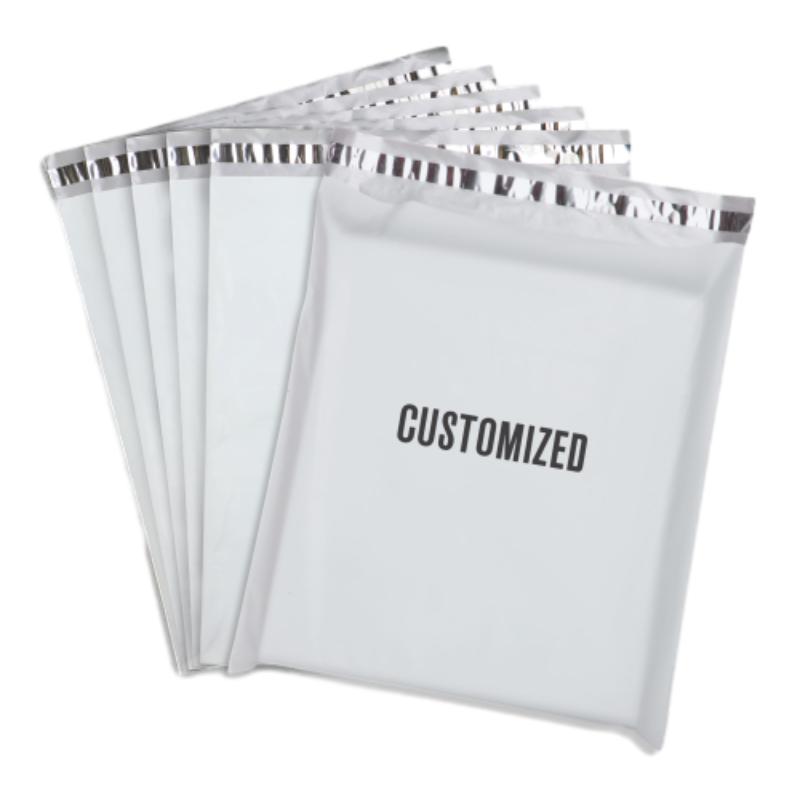
At its core, a plain postage bag is a flexible, lightweight packaging envelope designed to safely ship lightweight goods. Usually made from polyethylene or biodegradable plastics, these bags offer protection against moisture, dust, and minor impacts. Unlike printed or branded mailing bags, “plain” indicates minimal or no external labeling, making them perfect for various uses that require discretion or cost minimization.
Interestingly, while their use is widespread in e-commerce and postal services, humanitarian organizations increasingly rely on plain postage bags to deliver aid packages confidentially and efficiently. They connect the dots between affordable manufacturing and practical deployment, especially in resource-constrained settings.
Mini takeaway: Plain postage bags are simple yet indispensable, bridging gaps between protection, confidentiality, and affordability.
Core Components That Define Quality Plain Postage Bags
Durability
The durability of a postage bag is its backbone. It must withstand handling, compression, and unpredictable weather without tearing or degrading. Polyethylene films commonly used offer a good balance of toughness and flexibility.
Water Resistance
Mailing bags must protect contents from rain or spills. Moisture resistance keeps items like documents, textiles, or electronics safe. Many bags have a waterproof seal or inner lining designed specifically to keep water out.
Cost Efficiency
Because postage bags are ideally consumables, their cost per unit matters enormously. Plain bags, lacking heavy branding or complex printing, reduce manufacturing costs and are easier to recycle in some systems.
Sustainability
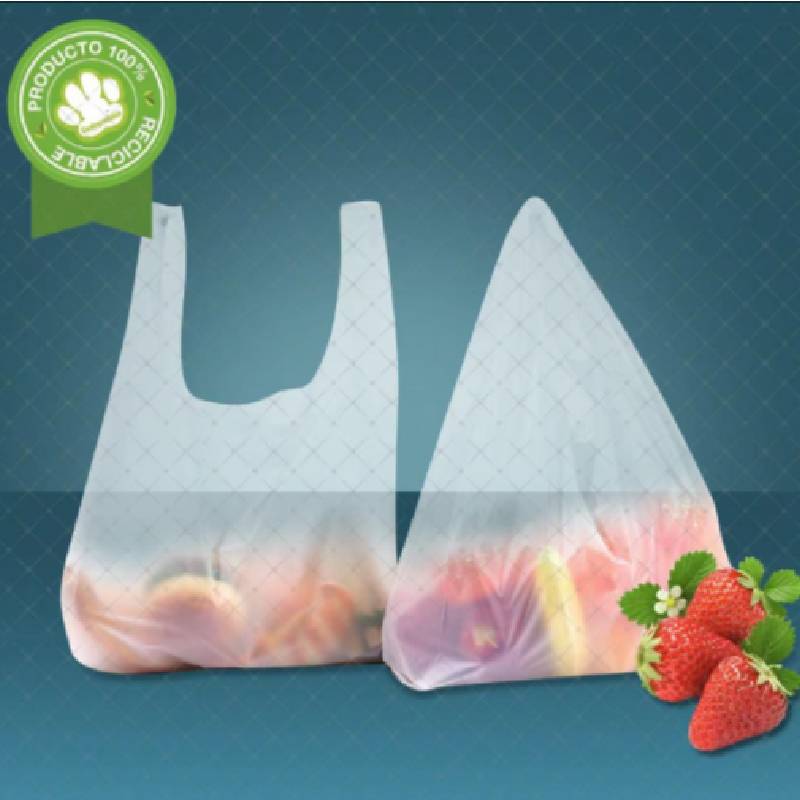
Environmental impact is an increasingly critical factor. Many manufacturers now offer biodegradable or recycled-polymer plain postage bags, aligning with global efforts to reduce single-use plastic waste (see UNEP data).
Security Features
Some specialized plain postage bags include tamper-evident seals or self-locking adhesives that preserve package integrity and build trust during shipping.
Customization Potential
Though plain by default, these bags can be easily customized with logos, barcodes, or QR codes, providing flexible solutions for both bulk and specialized shipping needs.
Mini takeaway: Plain postage bags bring together strength, protection, cost-effectiveness, and sustainability — a blend that makes them truly versatile in logistics.
Global Applications & Real-World Use Cases of Plain Postage Bags
From bustling urban logistics hubs in Europe to post-disaster areas in Southeast Asia, the humble plain postage bag finds itself in many diverse scenarios:
- E-commerce Fulfillment: Retailers use lightweight plain postage bags to ship clothes, accessories, and small electronics economically across continents.
- Humanitarian Aid: NGOs pack medical supplies or hygiene kits into plain postage bags, helping maintain privacy and ensuring deliveries reach vulnerable communities intact.
- Government Mail Services: National postal operators prefer plain mailing bags for official documents that require a clean, professional appearance without branding clutter.
- Small Business Owners: Entrepreneurs shipping handmade goods or documents find plain postage bags an affordable, adaptable choice.
Oddly enough, plain postage bags sometimes perform better than their branded counterparts where discretion or scalability matters more than marketing. This is especially true in emerging markets where shipment volumes fluctuate unpredictably.
Mini takeaway: These bags meet a wide spectrum of needs globally — from routine parcels to sensitive humanitarian shipments.
Advantages & Long-Term Value of Using Plain Postage Bags
Why lean toward plain postage bags? Beyond initial affordability, their benefits grow over time. Here’s the rundown:
- Cost Savings: Bulk plain postage bags reduce overhead for businesses and relief agencies alike.
- Eco-Friendly Options: Increasing use of compostable materials cuts landfill waste and plastic pollution.
- Reliability: Good manufacturing standards ensure bags don't burst en route, preserving customer satisfaction and trust.
- Safety & Dignity: For sensitive shipments, plain bags maintain client privacy, a factor too often overlooked.
- Flexibility: Their minimalist design enables quick customization or straightforward disposal.
There’s something satisfying — almost comforting — about using a product that’s as much about trust and practicality as about performance. As many shipping managers say, “the bag might be plain, but the experience doesn’t have to be.”
An Inside Look: Specification Table for Typical Plain Postage Bags
| Feature | Specification |
|---|---|
| Material | High-density polyethylene (HDPE) or biodegradable polymer blend |
| Thickness | 40–70 microns |
| Size Range | From 6”x9” up to 15”x18” |
| Seal Type | Self-adhesive strip, tamper-evident options available |
| Water Resistance | Waterproof and dustproof |
| Customization | Plain or minimal custom printing |
Comparing Top Vendors in Plain Postage Bags
| Vendor | Material Quality | Customization | Eco Options | Price Range (per 1000 units) |
|---|---|---|---|---|
| Liya BioBag | Premium HDPE & biodegradable blends | Flexible minimal printing | Compostable certified | $350–450 |
| Global Poly Supplies | Standard HDPE | Limited customization | Recyclable only | $300–400 |
| EcoPack Solutions | Biodegradable polymers | No customization | Certified compostable | $400–500 |
Emerging Trends Shaping the Future of Plain Postage Bags
As we look ahead, several trends continue to redefine how plain postage bags are produced and used:
- Biodegradable Materials: Innovations in plant-based polymers promise bags that break down faster without leaving microplastics behind.
- Smart Packaging: Embedded QR codes and RFID tags are beginning to be integrated into postage bags for inventory tracking and authenticity verification.
- Automation in Manufacturing: Faster production lines with robotic handling enable just-in-time delivery and mass customization.
- Policy Pushes: As governments tighten restrictions on single-use plastics, vendors adapt by offering certificates and eco-labels to meet compliance.
It’s fascinating how such a simple product is linked to cutting-edge sustainability and digital transformation currents, isn’t it?
Challenges & Solutions in Practical Implementation
Though plain postage bags offer many benefits, challenges persist, such as:
- Environmental Concerns: Despite advances, plastic waste remains an issue.
- Quality Variance: Lower-cost suppliers sometimes cut corners, compromising durability.
- Disposal Infrastructure: Recycling or composting facilities are unevenly available worldwide.
To tackle these, industry experts recommend:
- Using certified biodegradable materials paired with clear disposal instructions.
- Implementing quality assurance protocols and batch testing.
- Partnering with waste management organizations to enhance circularity.
I’ve noticed above all that education of end-users about proper disposal is half the battle won.
Frequently Asked Questions About Plain Postage Bags
- What advantages do plain postage bags have over printed ones?
- Plain postage bags are often more affordable and versatile. They provide discretion, reduce manufacturing complexity, and are easier to recycle in some programs.
- Can plain postage bags protect fragile goods?
- While durable against moisture and light handling, plain postage bags are best for less fragile items. For delicate goods, they’re often combined with padding inside.
- Are biodegradable plain postage bags really eco-friendly?
- They reduce landfill impact but must be properly composted to deliver full benefits. Compostability certifications help guarantee their environmental credentials.
- How customizable can plain postage bags be?
- Even “plain” bags can feature barcodes, minimal branding, or tamper-evident seals, allowing businesses flexibility without costly full-print runs.
- Where can I buy quality plain postage bags at scale?
- Vendors like Liya BioBag are known for combining sustainability with quality and customization. Bulk purchasing options and consultation services are common.
Conclusion: Why Plain Postage Bags Still Pack a Punch
Ultimately, plain postage bags prove that packaging doesn’t have to be flashy to be effective. They blend robust protection with affordability and eco-conscious features, making them ideal for a vast range of industries worldwide.
Whether for an artisan shipping in a small town or an NGO distributing relief kits on a distant shore, these humble bags ensure goods arrive safely and sustainably. For anyone looking to optimize their packaging solutions, I’d say plain postage bags deserve a close look.
Ready to explore reliable, sustainable mailing options? Visit Liya BioBag today for your perfect solution.
Thanks for reading, and good luck with your packaging journey!
References
-
Secure Shipping Guide with Poly Mailer Bubble Wrap SolutionsNewsApr.16,2026
-
Secure Shipping Guide for Using Durable Bubble Parcel BagsNewsApr.09,2026
-
Comprehensive Guide to Poly Mailer Bubble for Secure and Efficient ShippingNewsApr.07,2026
-
Elevate Your Brand with Custom Designer Bubble Mailers for Effective PackagingNewsApr.04,2026
-
Comprehensive Guide to Poly Mailers with Bubble Wrap for Secure ShippingNewsMar.31,2026
-
Comprehensive Guide to Large Bubble Poly Mailers for Secure and Efficient ShippingNewsMar.28,2026
-
Have the freedom of customizing your custom mailers any way you want! Our dedicated packaging support will help deliver you the mailing experience you need to elevate your shipping experience to the next level! Start making a strong impression on your customers and stand out from your competitors! -
LIYA uses high quality raw materials which directly purchased from large enterprises domestic and overseas such as PetroChina, Sinopec, Sabic, Equate, ExxonMobil, Dow Chemical, Total, and Borouge, ensuring the price advantage and quality of the raw materials. -
LIYA uses high quality raw materials which directly purchased from large enterprises domestic and overseas such as PetroChina, Sinopec, Sabic, Equate, ExxonMobil, Dow Chemical, Total, and Borouge, ensuring the price advantage and quality of the raw materials.
 English
  Arabic
  China
China  French
  Korean
  Russian
  Spanish