Custom clothing bags for shipping are rapidly evolving beyond simple packaging, becoming integral to branding, logistical efficiency, and even sustainability efforts. Businesses across the globe, from fast fashion retailers to bespoke apparel designers, are increasingly recognizing the value of tailored packaging solutions. This demand isn’t limited to aesthetics; it’s driven by the need for durable, cost-effective transport that minimizes damage and maximizes brand impact. The global e-commerce boom has further amplified this need, creating a consistent demand for reliable and visually appealing shipping containers.
The market for specialized packaging is projected for significant growth in the coming years, fueled by consumer expectations for a premium unboxing experience. This is particularly true within the clothing industry, where presentation is often as important as the product itself. The challenges of maintaining garment shape, protecting delicate fabrics, and reducing shipping costs are driving innovation in materials and design. Understanding the nuances of custom clothing bags for shipping is vital for businesses aiming to succeed in a competitive marketplace.
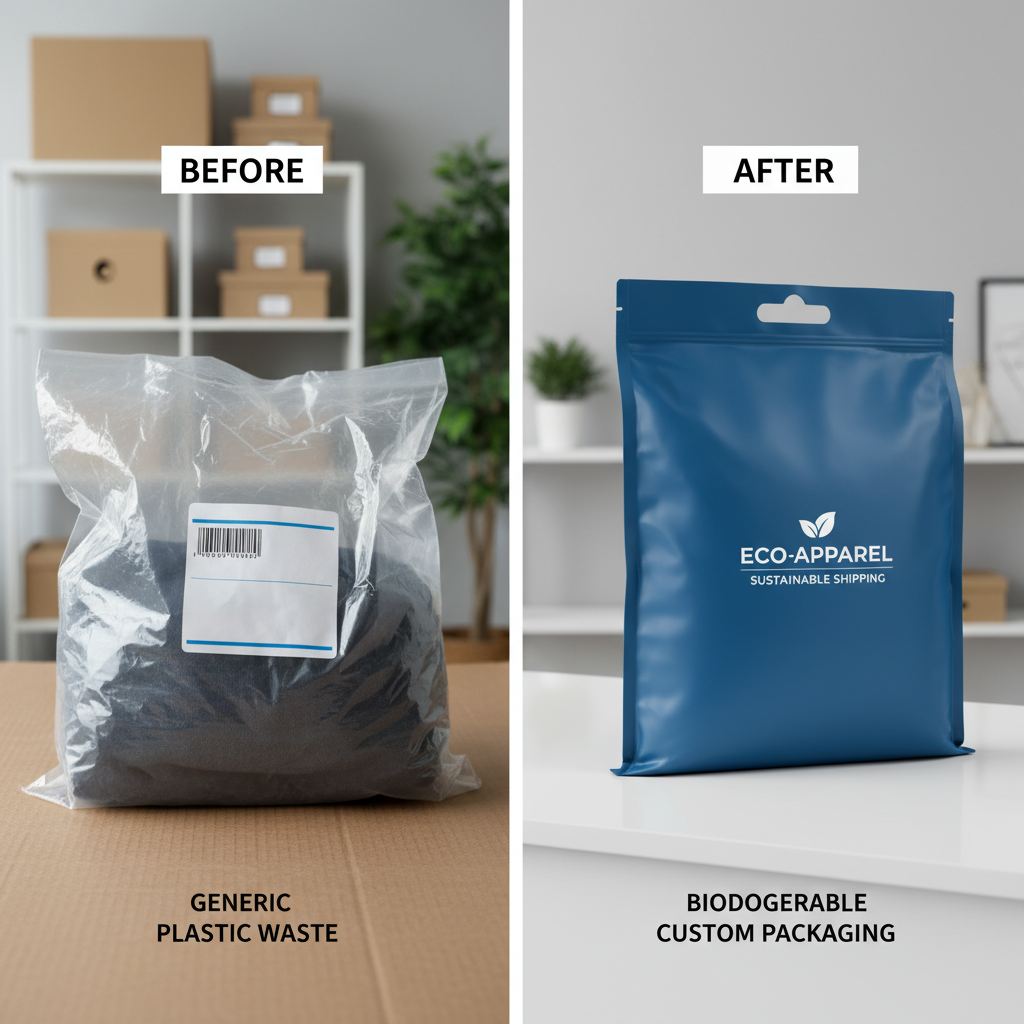
Furthermore, growing environmental concerns are pushing businesses to adopt sustainable packaging options. This includes utilizing recycled materials, biodegradable polymers, and optimized designs to reduce waste and minimize their carbon footprint. The effective integration of these factors—branding, protection, cost, and sustainability—defines the modern approach to custom clothing bags for shipping.
Introduction to Custom Clothing Bags for Shipping
The increasing demand for custom clothing bags for shipping is directly linked to the growth of online retail and the desire for businesses to differentiate themselves through branding. These bags aren’t merely containers; they represent an opportunity to enhance the customer experience from the moment the order is placed to when it's received.
Effective packaging can also significantly reduce return rates by protecting garments during transit. Damage during shipping is a costly problem for apparel businesses, and well-designed custom clothing bags can mitigate this risk. Ultimately, investing in quality shipping bags demonstrates a commitment to customer satisfaction and brand integrity.
Global Relevance and Industry Context
The global packaging market, valued at hundreds of billions of dollars, is experiencing sustained growth, with a substantial portion attributed to the apparel industry. According to a recent report by the World Packaging Organisation, the demand for customized packaging solutions is increasing at a rate of 5-7% annually. This growth is particularly prominent in emerging economies, driven by rising disposable incomes and increasing e-commerce adoption.
The ISO standards related to packaging (specifically ISO 9001 for quality management and ISO 14001 for environmental management) are becoming increasingly important for businesses involved in international trade. Compliance with these standards demonstrates a commitment to responsible packaging practices and builds trust with customers and partners. The United Nations Sustainable Development Goals (SDGs), particularly those focused on responsible consumption and production, are also influencing packaging trends.
A significant challenge remains: balancing the need for robust protection with the desire for environmentally friendly materials. Many traditional packaging options rely on non-renewable resources and contribute to plastic waste. The push for sustainable alternatives is creating both opportunities and complexities for the custom clothing bags for shipping industry.
Defining Custom Clothing Bags for Shipping
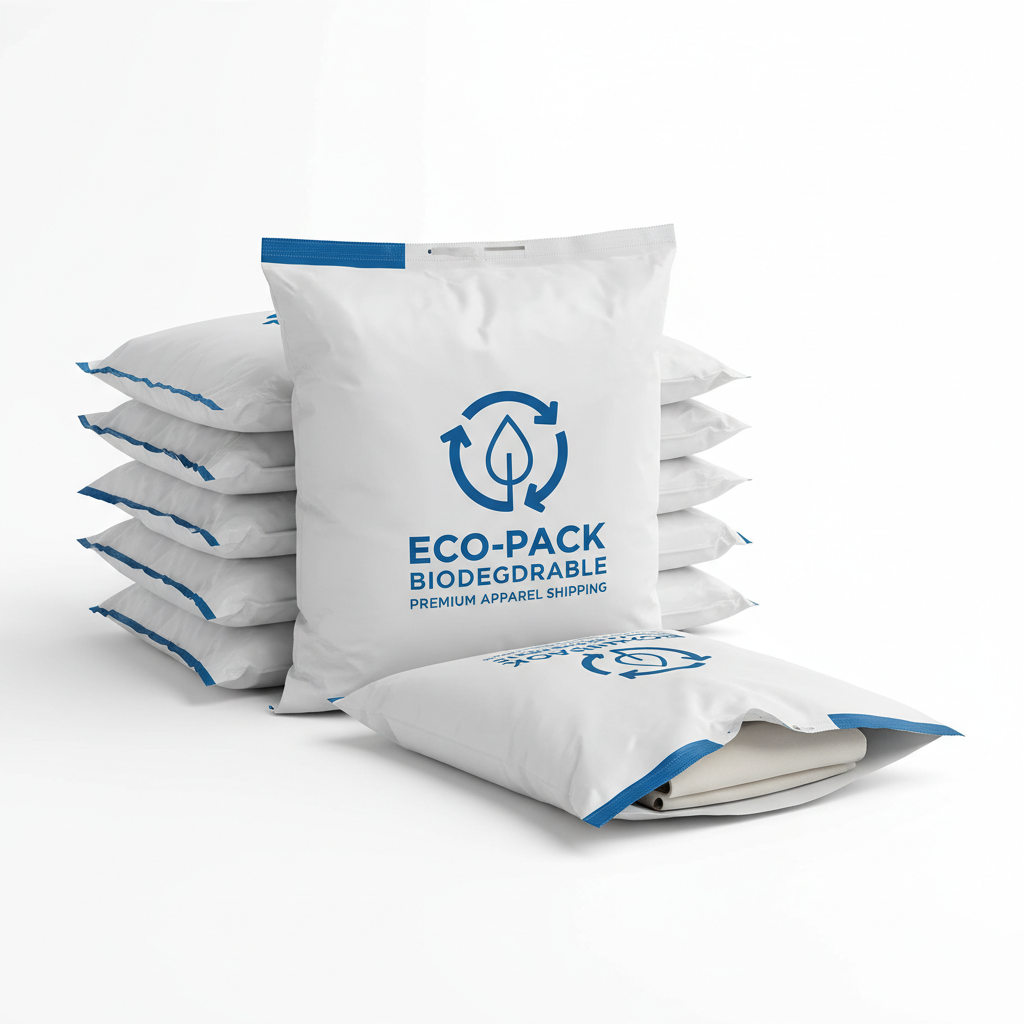
Custom clothing bags for shipping refer to packaging specifically designed to accommodate apparel items during transportation. Unlike generic poly bags, these bags are often tailored in size, material, and branding to meet the unique requirements of a particular clothing brand or product line. They can range from simple branded poly mailers to more sophisticated options like woven poly bags with custom closures and handles.
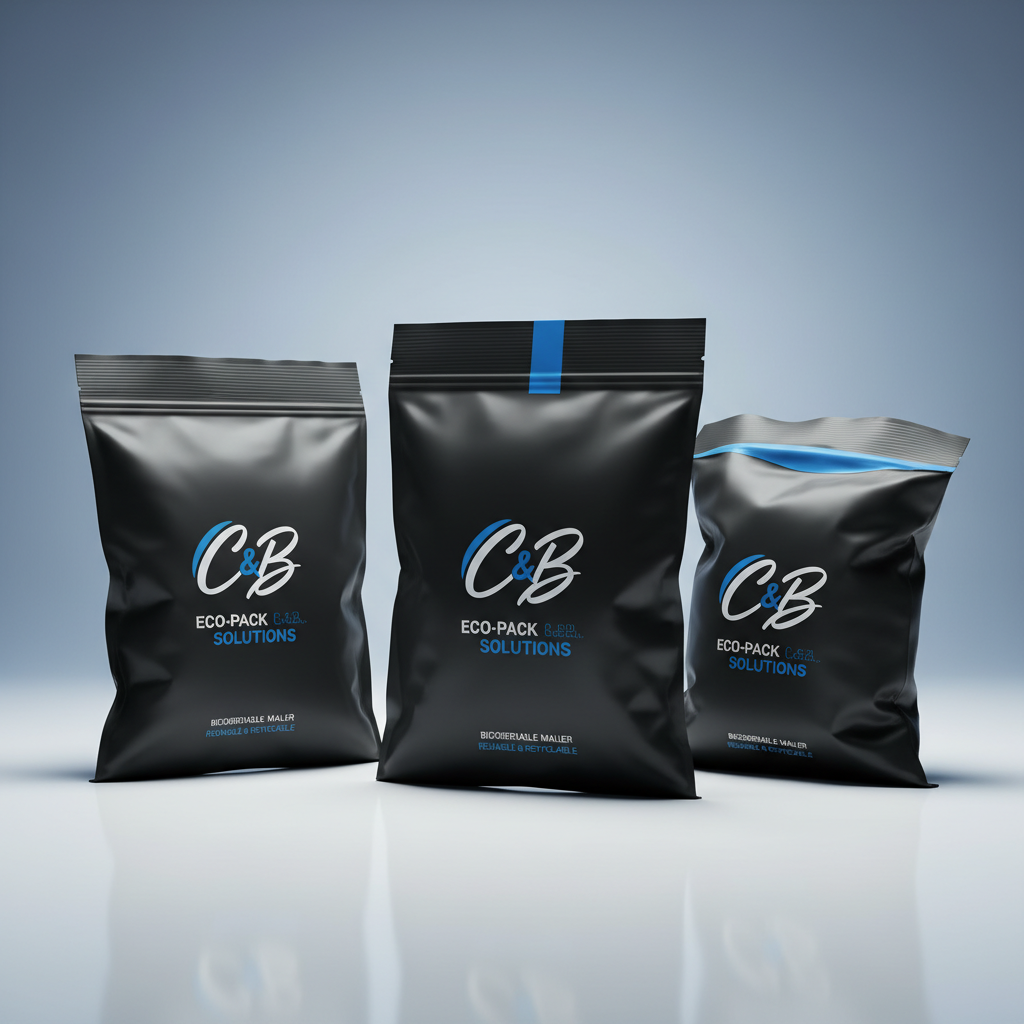
The core function of these bags extends beyond mere containment; they protect garments from damage, maintain their shape, and present a positive brand image. They play a crucial role in the overall customer experience, acting as a tangible representation of the brand’s values and commitment to quality. Customization can include logo printing, unique color schemes, and even personalized messages.
Their connection to modern industry and humanitarian needs is multifaceted. Beyond commercial applications, custom clothing bags for shipping can be adapted for use in disaster relief efforts, providing a hygienic and organized means of distributing clothing donations. They're also crucial for businesses operating in supply chains requiring strict product protection and traceability.
Key Factors in Custom Bag Design
Several key factors influence the design and effectiveness of custom clothing bags for shipping. These include durability – the ability of the bag to withstand the rigors of transit without tearing or puncturing – and material selection, which impacts both protection and environmental impact.
Scalability is another critical element; businesses need bags that can accommodate fluctuating order volumes without compromising quality or lead times. Cost efficiency is also paramount, balancing the need for premium features with budgetary constraints. Finally, branding plays a pivotal role, ensuring the bag effectively communicates the brand’s identity and values.
Custom Clothing Bags for Shipping: Feature Importance
Global Applications and Use Cases
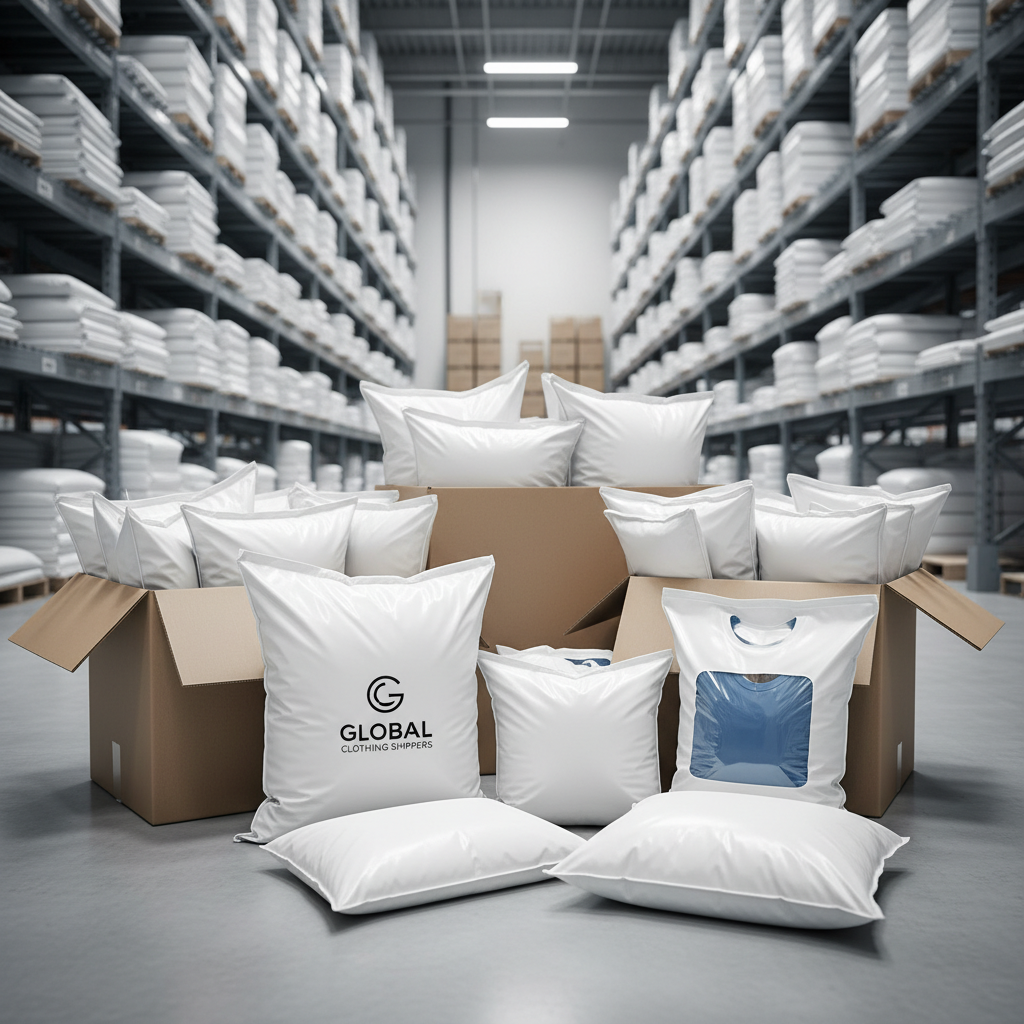
Custom clothing bags for shipping find applications across a wide spectrum of industries and regions. In North America and Europe, fast fashion brands heavily rely on these bags for efficient e-commerce fulfillment, emphasizing brand consistency and minimizing shipping damage. In Asia, particularly in manufacturing hubs like China and Vietnam, customized bags are essential for protecting finished garments during export.
In post-disaster relief operations, organizations utilize custom-branded bags to distribute clothing donations to affected communities, ensuring hygiene and maintaining dignity for recipients. Remote industrial zones often rely on these bags for transporting workwear and uniforms to employees. Furthermore, luxury apparel brands utilize high-end, custom-designed bags to enhance the unboxing experience and reinforce their brand image.
The rise of drop-shipping businesses has also contributed to the demand, as these businesses require packaging that can represent multiple brands seamlessly. This requires flexible customization options and efficient production capabilities.
Advantages and Long-Term Value
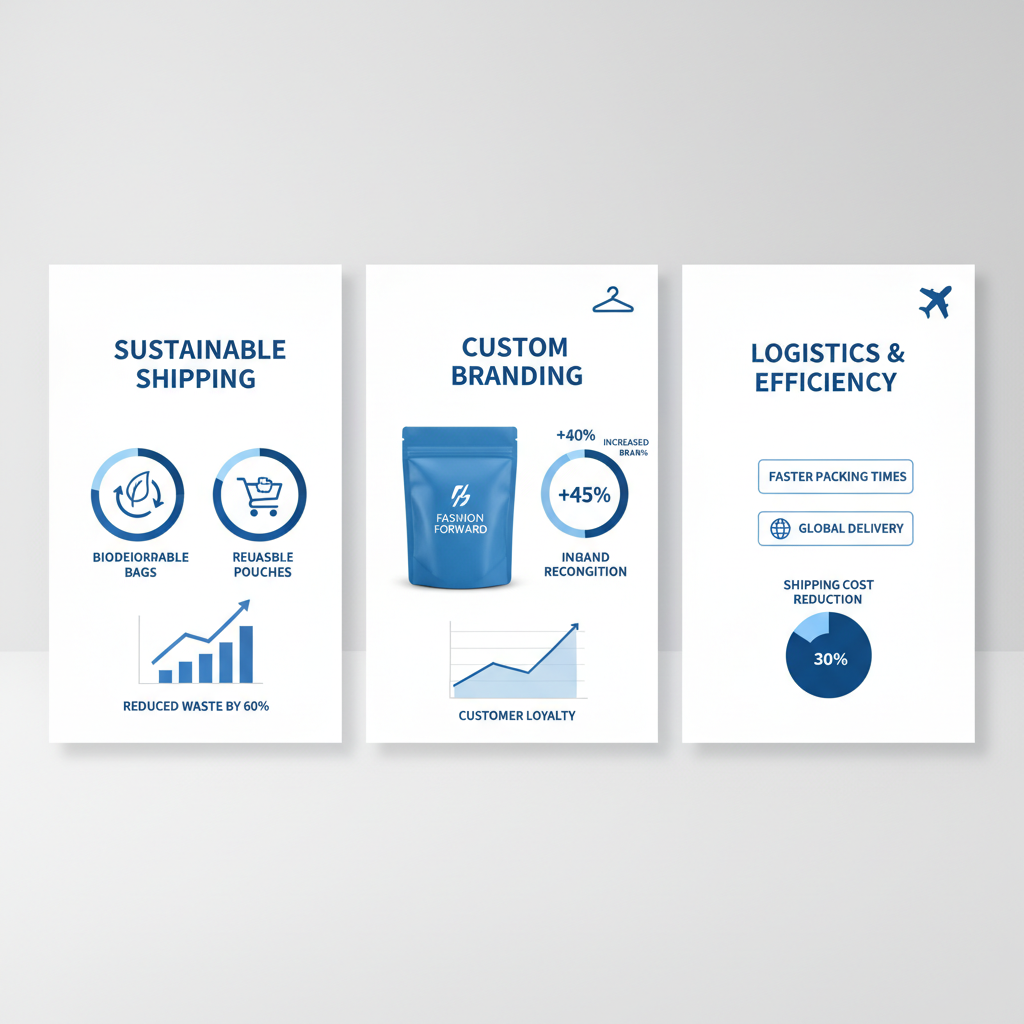
The advantages of investing in custom clothing bags for shipping are multifaceted. Tangible benefits include reduced shipping damage, leading to lower return rates and cost savings. Sustainable packaging options can enhance brand reputation and attract environmentally conscious consumers. Reliable bag construction ensures product protection throughout the supply chain.
Beyond the logistical benefits, custom branding fosters customer loyalty and strengthens brand recognition. A thoughtfully designed bag can create a positive unboxing experience, leaving a lasting impression on the customer. This investment translates into increased customer satisfaction, repeat business, and positive word-of-mouth marketing. It builds trust and demonstrates a commitment to quality.
Future Trends and Innovations
The future of custom clothing bags for shipping is poised for significant innovation. The development of biodegradable and compostable materials is a key trend, driven by growing environmental concerns. Digital printing technologies are enabling more complex and personalized designs, allowing for on-demand customization and reduced waste.
Automation in packaging processes, utilizing robotics and AI, is increasing efficiency and reducing labor costs. Smart packaging solutions, incorporating QR codes or RFID tags, are enhancing traceability and supply chain visibility. These technologies will enable brands to track products throughout the shipping process and provide real-time updates to customers.
Furthermore, the integration of blockchain technology could enhance transparency and authenticity in the supply chain, ensuring ethical sourcing and responsible production practices. The focus will be on creating closed-loop systems where packaging materials are continuously recycled and reused.
FAQS
The most common materials include polyethylene (PE) – low-density (LDPE) and high-density (HDPE) – for their cost-effectiveness and durability. Polypropylene (PP) is also popular, offering greater strength and temperature resistance. Increasingly, businesses are exploring biodegradable and compostable alternatives like PLA (polylactic acid) and recycled materials to reduce their environmental impact. The best choice depends on the specific product, shipping requirements, and budget.
Optimizing bag size and weight is crucial. Selecting the right material thickness, avoiding unnecessary features, and negotiating bulk pricing with suppliers can all contribute to cost savings. Flat-packed bags also reduce storage space and shipping volume. Consider using lightweight, yet durable, materials that provide adequate protection without adding excessive weight.
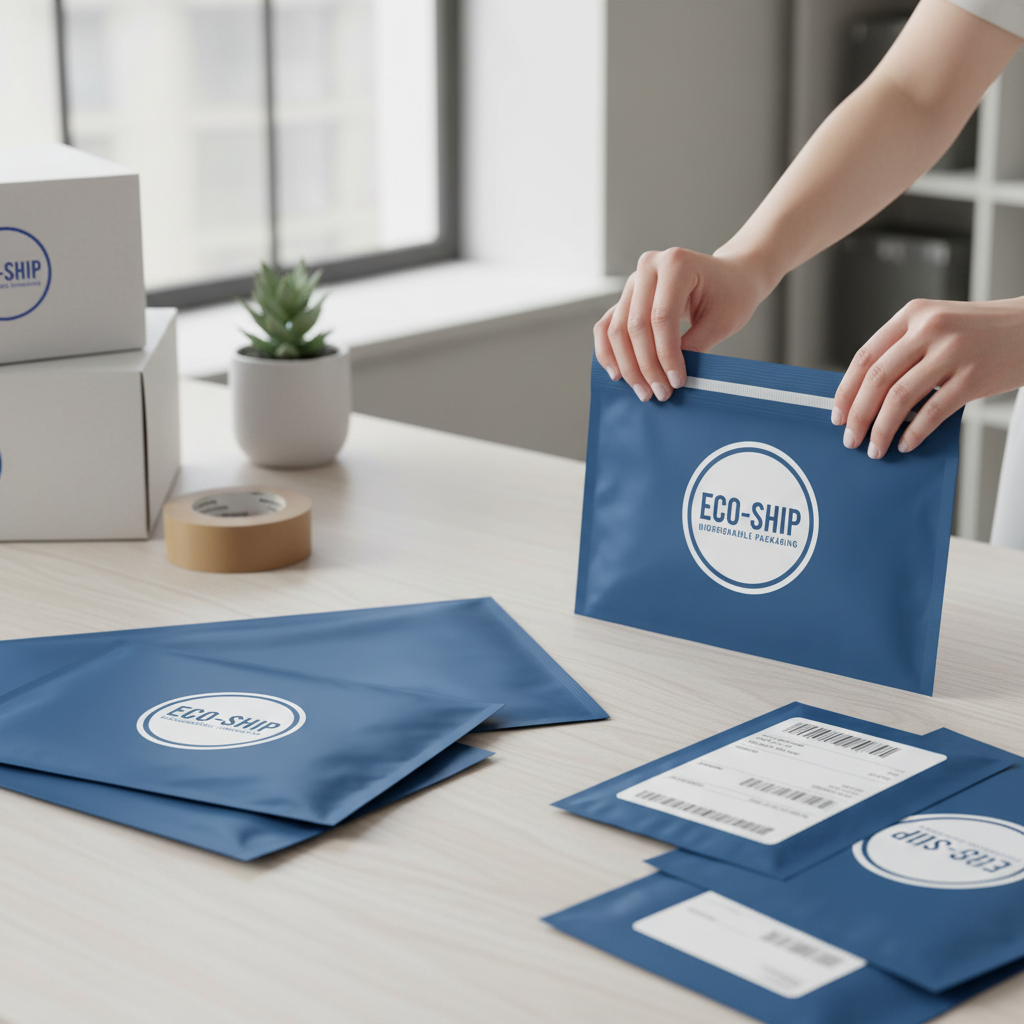
Branding your shipping bags enhances brand recognition, creates a positive unboxing experience, and reinforces your brand identity. It’s a cost-effective marketing opportunity that can improve customer loyalty and encourage repeat purchases. Custom printing allows you to showcase your logo, colors, and messaging, turning each shipment into a mini-advertisement.
Regulations vary by region. Some areas have restrictions on single-use plastics or require the use of recyclable or compostable materials. It's important to research the regulations in your target markets and ensure your packaging complies with local laws. Staying informed about evolving legislation is crucial for sustainable packaging practices.
Lead times typically range from 2-6 weeks, depending on the complexity of the design, the quantity ordered, and the supplier's production schedule. Custom printing and specialized features may add to the lead time. It’s important to plan ahead and communicate your requirements clearly to ensure timely delivery.
Consider the dimensions of your largest clothing items, allowing for sufficient space to prevent crushing or damage. It's best to measure your products accurately and add a few inches to each dimension to ensure a comfortable fit. Offering a range of bag sizes can accommodate different product types and quantities.
Conclusion
Custom clothing bags for shipping have evolved from simple protective containers to integral components of branding, logistics, and sustainability strategies. Understanding the factors influencing bag design – durability, scalability, cost efficiency, and environmental impact – is crucial for businesses seeking to optimize their shipping processes and enhance customer satisfaction. The trend towards sustainable materials and innovative technologies promises a future where packaging is both functional and environmentally responsible.
Looking ahead, investing in research and development, embracing circular economy principles, and fostering collaboration across the supply chain will be key to unlocking the full potential of custom clothing bags for shipping. By prioritizing quality, sustainability, and customer experience, businesses can leverage these bags as a valuable asset, strengthening their brand image and achieving long-term success. Visit our website to learn more about our custom clothing bags for shipping solutions.


 English
  Arabic
  China
China  French
  Korean
  Russian
  Spanish