Insulated Mailing Bags: Essential Thermal Protection for Global Shipping
Insulated Mailing Bags: What They Are and Why They Matter Globally
If you’ve ever shipped something fragile or temperature-sensitive—like medicines, gourmet foods, or even electronics—you might've wondered how these items make it intact and cool (or warm) despite the unpredictable outside world. Enter insulated mailing bags. These clever packages keep shipments protected from temperature swings and physical shocks, playing a quietly vital role in global logistics, healthcare, and e-commerce. As global supply chains grow more complex and eco-conscious, understanding insulated mailing bags is more important than ever.
Introduction: The Global Importance of Insulated Mailing Bags
In 2023, global e-commerce sales topped over $5 trillion, with a significant portion involving sensitive goods—think pharmaceuticals or perishable foods—that must be kept within strict temperature ranges. According to the United Nations Environment Programme (UNEP), nearly 30% of temperature-sensitive cargo spoils due to inadequate packaging. This means not only economic loss but also potential health risks and environmental waste.
Traditional packaging often lacks the thermal regulation needed during long or complex transit routes, whether shipping from factories in Asia to customers in Europe, or delivering vaccines to remote clinics in Sub-Saharan Africa. Insulated mailing bags address this challenge by offering portable, lightweight, and effective temperature protection. In a way, they’re the unsung heroes behind the safe delivery of critical goods worldwide.
What Are Insulated Mailing Bags?
Simply put, insulated mailing bags are envelopes or small parcels lined with materials designed to maintain the internal temperature. Think of them as the thermal blankets of the shipping world. Usually constructed with layers of thermal insulation like foam, bubble wrap, or more sophisticated reflective foils, these bags limit heat transfer to or from the contents.
They play a critical role across industries—from pharmaceutical companies shipping vaccines needing consistent cold chain management, to small food startups sending gourmet chocolates that melt easily. Essentially, anytime you want to protect products from heat, cold, or humidity, insulated mailing bags come into play.
Key Features of Insulated Mailing Bags
1. Thermal Efficiency
The heart of these bags is their insulation layer which slows down heat exchange. High-quality bags can maintain temperature stability for hours, sometimes even days, depending on fillers like ice packs or phase change materials. This is essential for medications that lose efficacy if exposed to a few degrees of fluctuation.
2. Durability and Protection
Aside from temperature, the bag must protect contents from physical damage. Reinforced layers, puncture resistance, and water-resistant coatings help ensure the contents arrive intact. It’s not just about temperature but robustness against the rigors of transport.
3. Lightweight and Compactness
Since shipping costs often depend on weight and size, insulated mailing bags are designed to be as light and space-efficient as possible. This reduces freight costs and carbon footprint, an important factor given rising environmental concerns.
4. Recyclability and Sustainability
Modern insulated mailing bags increasingly use recyclable or biodegradable materials. Brands recognize the environmental impact of excessive packaging waste and are innovating accordingly—reflecting broader sustainability trends in packaging (see ISO standards on environmental management, ISO 14000 series).
5. Customizability
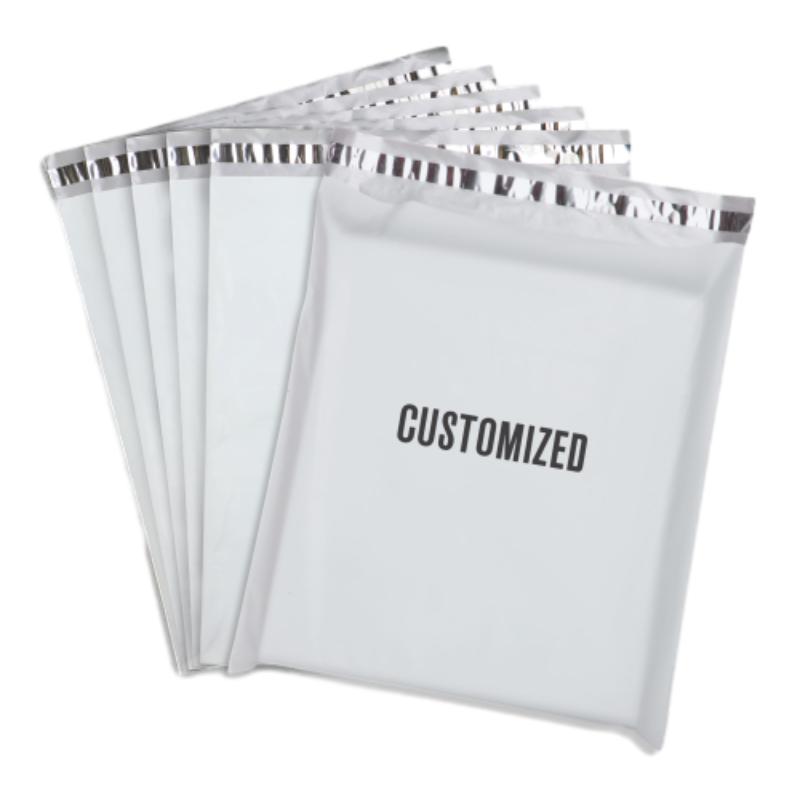
From printed branding to tailored sizes and insulation thickness, insulated mailing bags can be customized to fit specific product requirements. This flexibility helps businesses maintain brand identity while optimizing product safety.
Product Specification Table for a Typical Insulated Mailing Bag
| Feature | Specification | Typical Use |
|---|---|---|
| Material | Foil laminated bubble wrap + polyethylene outer layer | Pharmaceutical shipments |
| Thermal retention | Up to 72 hours with ice packs | Food delivery, vaccines |
| Weight | ~50g (for 12x16 inch bag) | E-commerce shipments |
| Dimensions | Custom sizes available (common: 12x16 inch) | Customized shipping needs |
| Sustainability | Recyclable outer film; some compostable liners | Eco-friendly packaging initiatives |
Who Uses Insulated Mailing Bags and For What?
Applications span continents and sectors:
- Pharmaceutical and Healthcare: Cold chain shipments of vaccines and medicines, especially vital in regions with limited refrigeration such as Sub-Saharan Africa.
- Food Industry: Sending fresh seafood from coastal towns to inland urban centers without spoilage.
- E-commerce: Small businesses with temperature-sensitive artisanal goods like chocolates, coffee, and supplements.
- Humanitarian Relief: Rapid deployment of temperature-controlled supplies following natural disasters, typically managed by NGOs and UN agencies.
- Remote Industries: Oil & gas or mining operations requiring critical parts and reagents safely transported to harsh environments.
For example, during the 2020 COVID-19 vaccine rollout, insulated mailing bags were indispensable for sending doses to remote clinics where refrigeration infrastructure was scarce. It’s odd but remarkable how such humble packaging has become a cornerstone in global health.
Vendor Comparison: Popular Insulated Mailing Bag Suppliers
| Supplier | Key Features | Sustainability | Price Range (per 100) | Customization |
|---|---|---|---|---|
| Liya BioBag | Biodegradable liners, enhanced thermal retention | Yes, compostable film | $120 - $150 | Full print & size |
| CoolPack Inc. | Air bubble insulation, water resistant | Partial recyclable components | $90 - $110 | Limited colors |
| ThermaShip | Reflective foils, extended thermal range | Not yet | $130 - $160 | Sizes only |
Advantages & Long-Term Value
What struck me during research is how insulated mailing bags offer more than just protection—they ensure trust and safety. For business owners, losing a shipment can be devastating, not only financially but reputation-wise. For recipients, especially in healthcare, safe deliveries can mean lives saved.
Here’s a quick takeaway on the core benefits:
- Cost Efficiency: Reduced spoilage and returns lower overall expenses.
- Sustainability: New recyclable materials reduce environmental impact.
- Social Impact: Enables delivery to underserved populations.
- Reliability: Maintain cold chain without expensive refrigeration.
Emerging Trends & Innovations
Looking ahead, the insulated mailing bag space is buzzing with innovations—biodegradable foam alternatives, integrated temperature indicators, and even “smart” bags with IoT sensors to monitor conditions in real time. Companies are aligned with global sustainability goals like the UN’s SDG 12 on responsible consumption.
Additionally, automation in packaging lines allows custom thermal packaging at scale, while regulatory pressures push for safer and greener materials. This is not just a fad; these are shifts driven by hard science and policy, shaping the future of insulated packaging.
Challenges & Practical Solutions
Of course, insulated mailing bags are not without challenges. Limited thermal duration, cost premium versus traditional envelopes, and end-of-life disposal remain concerns. Additionally, different products require different temperature ranges—what works for chocolates might not suit vaccines.
Experts suggest combining insulation with phase change materials (PCMs) tailored to the product’s needs, plus developing reusable systems where feasible. Also, creating robust collection and recycling programs for used bags can aid circular economy goals.
FAQ: Frequently Asked Questions About Insulated Mailing Bags
- 1. How long do insulated mailing bags keep contents cold?
- Typically, they maintain temperature for 24–72 hours depending on insulation thickness and additional ice packs or PCMs inserted. For longer durations, refrigeration or active cooling is recommended.
- 2. Can insulated mailing bags be reused?
- Some models are designed to be reusable and recyclable, especially those using durable outer films and sustainable liners. However, this depends on the material quality and handling during shipment.
- 3. Are insulated mailing bags cost-effective compared to cold boxes?
- For small shipments and short durations, yes. They’re lightweight and reduce freight costs. Cold boxes might be better for bulk or highly sensitive goods requiring extended temperature control.
- 4. How environmentally friendly are these insulated bags?
- Newer bags use compostable liners and recyclable films, significantly improving sustainability. Still, it’s important to verify specific product certifications and recycling options locally.
- 5. Can I customize insulated mailing bags with my branding?
- Absolutely. Many suppliers offer full customization including print design, sizes, and insulation level to suit your products and marketing needs.
Conclusion: Why Understanding Insulated Mailing Bags Matters
In a world increasingly reliant on timely delivery of sensitive goods, insulated mailing bags quietly but critically support global health, commerce, and sustainability. They reduce waste, protect valuable goods, and enable services in tough environments. Given the pace of innovation, keeping an eye on insulated packaging is a worthwhile endeavor for businesses of all sizes.
Curious to explore high-quality, eco-friendly insulated mailing bags? Visit our website: insulated mailing bags to find solutions tailored to your shipping needs.
Oddly enough, this packaging niche feels like a small piece of a giant puzzle solving some of our biggest logistical challenges.
Happy shipping—and stay cool out there!
-
Secure Shipping Guide with Poly Mailer Bubble Wrap SolutionsNewsApr.16,2026
-
Secure Shipping Guide for Using Durable Bubble Parcel BagsNewsApr.09,2026
-
Comprehensive Guide to Poly Mailer Bubble for Secure and Efficient ShippingNewsApr.07,2026
-
Elevate Your Brand with Custom Designer Bubble Mailers for Effective PackagingNewsApr.04,2026
-
Comprehensive Guide to Poly Mailers with Bubble Wrap for Secure ShippingNewsMar.31,2026
-
Comprehensive Guide to Large Bubble Poly Mailers for Secure and Efficient ShippingNewsMar.28,2026
-
Have the freedom of customizing your custom mailers any way you want! Our dedicated packaging support will help deliver you the mailing experience you need to elevate your shipping experience to the next level! Start making a strong impression on your customers and stand out from your competitors! -
LIYA uses high quality raw materials which directly purchased from large enterprises domestic and overseas such as PetroChina, Sinopec, Sabic, Equate, ExxonMobil, Dow Chemical, Total, and Borouge, ensuring the price advantage and quality of the raw materials. -
LIYA uses high quality raw materials which directly purchased from large enterprises domestic and overseas such as PetroChina, Sinopec, Sabic, Equate, ExxonMobil, Dow Chemical, Total, and Borouge, ensuring the price advantage and quality of the raw materials.
 English
  Arabic
  China
China  French
  Korean
  Russian
  Spanish