Durable and Eco-Friendly Grey Mailers for Global Shipping Solutions
Understanding Grey Mailers: Why They Matter Worldwide
Grey mailers — those often-overlooked, simple packaging solutions — hold quite a significance in today's global logistics and e-commerce landscape. At first glance, they're just functional envelopes or padded mailers with a muted, industrial grey exterior. But dive a little deeper, and you'll see their role in reducing waste, cutting costs, and ensuring safe delivery is growing by leaps and bounds worldwide.
In a world where billions of parcels are shipped yearly, understanding how grey mailers contribute to sustainable and efficient packaging solutions isn't just a niche curiosity anymore — it’s essential. Their versatility helps industries from fashion to pharmaceuticals, logistical companies to humanitarian aid efforts, maintain a balance between affordability, reliability, and environmental impact.
The Global Context: Why Grey Mailers Are On the Rise
Globally, e-commerce has exploded — the UN Conference on Trade and Development reports international parcel volumes surged over 100 billion parcels annually in recent years. Such rapid growth created huge logistical challenges, especially in sustainable packaging. Grey mailers emerged as a practical solution addressing these factors:
- Durability: Protecting contents during long-distance transit
- Cost-effectiveness: Affordable to produce and ship
- Recyclability: Often made from recycled or recyclable materials
However, many regions grapple with excessive packaging waste and high shipping costs, particularly in developing markets where supply chain inefficiencies remain common. Grey mailers—simple, lightweight, and adaptable—offer relief by minimizing volume and weight without sacrificing protection.
Frankly, if you pay attention to the envelopes arriving at your door, you'll notice grey mailers becoming a default choice in industries that want to appear eco-savvy without overcomplicating their packaging.
What Are Grey Mailers Exactly?
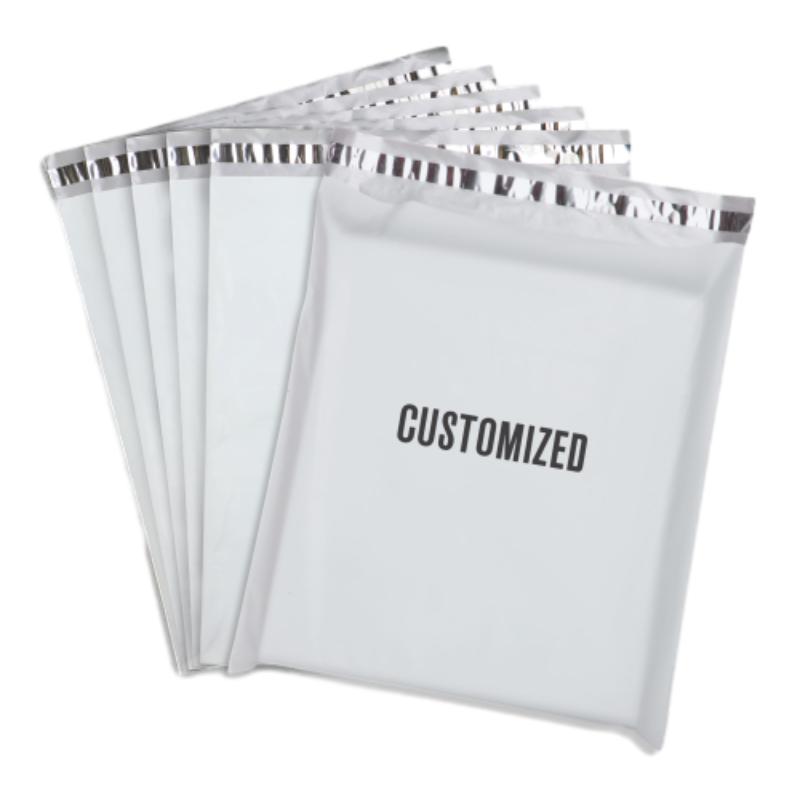
Simply put, grey mailers are lightweight, usually paper-based padded envelopes with a distinctive grey hue. They can be plain or reinforced with bubble wrap or molded pulp inside for extra shock absorption. Unlike vibrant-colored mailers meant to catch eyes in retail, grey mailers focus on restraint and efficiency.
The "grey" nickname reflects both their neutral color and their utilitarian design ethos. They’re the workhorses of packaging — reliable, unpretentious, and suited for a variety of parcels where the contents don’t require fancy wrapping but do need protection from moisture, abrasion, or impact.
In humanitarian logistics, for example, grey mailers help package medical supplies safely during transport to disaster-stricken regions — a detail that’s easy to miss but incredibly important. Their lightweight nature means more parcels per truckload, stretching limited resources further without compromising integrity.
Durability
A sturdy outer shell combined with padded interiors shields contents from tears and bumps. Grey mailers often pass rigorous package testing standards such as ASTM D4169, ensuring they withstand rough handling.
Cost Efficiency
Grey mailers are cheaper than rigid boxes both in production and shipping. Lower volumetric weight reduces courier costs, which can add up handsomely at scale.
Eco-Friendly Materials
Many are made with recycled paper or kraft and designed to be recyclable. As buyers increasingly demand sustainable packaging, this provides a competitive edge.
Scalability & Sizes
Available in various sizes and thicknesses, they adapt easily for everything from documents to small apparel items.
Security Features
Self-sealing strips and tamper-evident adhesives keep shipments safe and intact.
Grey Mailers in Action: From Fashion to Humanitarian Aid
Across continents, grey mailers are quietly behind many successful shipping stories. In fast fashion hubs like Bangladesh and Vietnam, brands rely on these flexible packaging options to ship millions of garments weekly. In Australia, remote mining companies use grey mailers to send sensitive equipment parts where shipping boxes would be inefficient.
A poignant example is the recent relief operations after floods in Southeast Asia. NGOs packed medical kits and essential documents into grey mailers, ensuring they arrived dry and unscathed in areas where fragile infrastructure made logistics tricky. This combination of simplicity and robust protection is hard to beat.
Even e-commerce giants here and there have recognized the edge grey mailers provide—less waste, more customer-friendly returns, and a quieter environmental footprint.
Mini Summary
- Grey mailers offer a practical balance of durability and sustainability worldwide.
- Used widely by industries seeking cost-efficient and eco-conscious shipping.
- Serve niche humanitarian roles in disaster relief.
Advantages and Long-Term Benefits of Grey Mailers
In real terms, the allure of grey mailers boils down to four simple things:
- Cost Savings: Less material, less shipping weight, less fuel consumption.
- Environmental Impact: Reduction in plastics, easier recycling, less landfill waste.
- Customer Trust & Brand Perception: Neutral looks often imply reliability and professionalism.
- Functionality: Protection from moisture, tears, and rough handling — plus easy sealing.
Users invariably report fewer damaged goods, which translates into less environmental and emotional waste. I suppose that’s the beauty of a plain grey mailer—quietly preserving brand reputation and reducing hassle all at once.
Future Trends: What’s Next for Grey Mailers?
Innovation doesn't often shout in this segment, but it’s happening beneath the surface. Expect to see:
- Biodegradable liners: New pulp-based cushioning to replace plastic bubbles.
- Smart packaging: Embedded RFID or QR codes that track shipments real-time.
- Increased use of renewable inks and adhesives: To boost recyclability.
- Customization technology: On-demand print and sizing through digital platforms.
All these strides aim not only to cut ecological footprints but to improve end-user convenience and supply chain resiliency—a win-win if you ask me.
Challenges & How Industry Leaders Are Fixing Them
Grey mailers aren’t perfect. Moisture resistance could be better for certain climates, and some regions lack adequate recycling infrastructure. Plus, size limitations might force users into heavier options for bulky or fragile goods.
But smart players are responding:
- Using hybrid materials to boost water resistance without losing recyclability
- Partnering with local waste management to close the loop on mailer disposal
- Offering modular mailer systems adjustable in volume to optimize packaging “right-sizing”
These fixes show the packaging world’s willingness to evolve rather than sticking to old habits.
Grey Mailers Product Specification Table
| Feature | Description | Typical Range |
|---|---|---|
| Material | Recycled kraft paper with bubble or pulp padding | 80-150 gsm paper; 3-6 mm padding |
| Size Options | Small, Medium, Large, Custom | 100x150mm up to 300x450mm+ |
| Sealing Mechanism | Self-adhesive peel-strip | Single or double-layer seal |
| Weight | Lightweight design for shipping cost savings | 15-80 grams per mailer |
| Recyclability | Made from recyclable paper; plastic padding varies | Typically 70-90% recyclable |
Vendor Comparison: Popular Grey Mailer Brands
| Brand | Key Features | Price per 1000 units | Recyclability | Customization |
|---|---|---|---|---|
| EcoWrap Plus | 100% recycled paper, biodegradable liner | $320 | >90% | Logo & size options |
| SafeShip Grey | Bubble-padded, moisture resistant | $290 | ~80% | Limited printing |
| GreenLine Mailers | Pulp padding, fully compostable | $340 | 100% | Custom sizes, colors |
FAQ: Your Burning Questions About Grey Mailers
What makes grey mailers different from standard padded envelopes?
Grey mailers typically focus on eco-friendly materials and a neutral aesthetic suitable for business and humanitarian use, whereas standard padded envelopes often prioritize flashy designs or heavier plastics. Their recycled content and cost-efficiency are also distinguishing traits.
Can grey mailers handle fragile items during long-distance shipping?
Yes, especially those with thicker bubble or molded pulp padding inside. However, extremely fragile goods usually require additional packaging layers or sturdier containers.
Are grey mailers recyclable and biodegradable?
Most grey mailers are recyclable because they’re made primarily from paperboard materials. Biodegradability depends on the padding—pulp-based ones biodegrade well, whereas plastic bubbles may not.
How customizable are grey mailers for branding purposes?
Many suppliers offer logo printing, size variations, and sometimes specialized coatings. However, heavy customization can affect recyclability and cost.
Where can I source grey mailers in bulk for international shipping?
Many suppliers with global shipping capabilities exist — it's wise to ask about minimum order volumes, delivery times, and certifications (like FSC or ISO 14001) to ensure reliability and sustainability.
Final Thoughts
Grey mailers might just be the quiet MVPs of modern shipping — balancing cost, eco-consciousness, and reliability more deftly than many realize. Whether you’re a small business cutting down packaging waste or an NGO sending vital supplies across continents, they’re worth a look. Curious to explore more? Visit our website for quality grey mailers that meet your brand and sustainability goals.
References
-
Secure Shipping Guide with Poly Mailer Bubble Wrap SolutionsNewsApr.16,2026
-
Secure Shipping Guide for Using Durable Bubble Parcel BagsNewsApr.09,2026
-
Comprehensive Guide to Poly Mailer Bubble for Secure and Efficient ShippingNewsApr.07,2026
-
Elevate Your Brand with Custom Designer Bubble Mailers for Effective PackagingNewsApr.04,2026
-
Comprehensive Guide to Poly Mailers with Bubble Wrap for Secure ShippingNewsMar.31,2026
-
Comprehensive Guide to Large Bubble Poly Mailers for Secure and Efficient ShippingNewsMar.28,2026
-
Have the freedom of customizing your custom mailers any way you want! Our dedicated packaging support will help deliver you the mailing experience you need to elevate your shipping experience to the next level! Start making a strong impression on your customers and stand out from your competitors! -
LIYA uses high quality raw materials which directly purchased from large enterprises domestic and overseas such as PetroChina, Sinopec, Sabic, Equate, ExxonMobil, Dow Chemical, Total, and Borouge, ensuring the price advantage and quality of the raw materials. -
LIYA uses high quality raw materials which directly purchased from large enterprises domestic and overseas such as PetroChina, Sinopec, Sabic, Equate, ExxonMobil, Dow Chemical, Total, and Borouge, ensuring the price advantage and quality of the raw materials.
 English
  Arabic
  China
China  French
  Korean
  Russian
  Spanish