Eco-Friendly Biodegradable Shipping Mailers: Sustainable Packaging Solutions for Modern Logistics
Why Biodegradable Shipping Mailers Matter More Than Ever
In a world drowning in plastic waste — where packaging alone accounts for nearly 40% of total plastic usage globally — the rise of biodegradable shipping mailers seems like a timely breath of fresh air. These eco-friendly alternatives not only reduce landfill volume but also herald a shift towards responsible consumption and packaging innovation. Understanding these mailers and their impact is, frankly, becoming essential for industries, governments, and everyday consumers alike.
Setting the Global Stage: The Environmental Push Behind Packaging Evolution
Packaging waste is one of the biggest sustainability issues worldwide. According to the United Nations Environment Programme (UNEP), nearly 300 million tons of plastic are produced yearly, with a significant chunk dedicated to packaging. Only about 9% of plastic waste ever produced has been recycled. This staggering reality underlines the crucial role of biodegradable mailers—designed to break down naturally and reduce microplastic pollution over time.
For shippers, especially in e-commerce and retail sectors, there's an urgent call to adopt packaging that aligns with increasingly stringent regulations—think the EU’s Single-Use Plastics Directive or various state-level bans across the U.S. But beyond just regulations, consumers want brands to demonstrate real care for the environment. It’s about trust and transparency wrapped in biodegradable mailers.
Takeaway:
- The packaging industry is a major contributor to plastic pollution.
- Biodegradable shipping mailers answer both regulatory and consumer demands.
- Switching to greener options is not just ethical but increasingly business-critical.
What Exactly Are Biodegradable Shipping Mailers?
Simply put, biodegradable shipping mailers are mailing envelopes made from materials that naturally decompose when exposed to certain environmental conditions, typically microbes, moisture, and heat. Unlike traditional plastic mailers that linger in landfills for centuries, these mailers break down into biomass, water, and carbon dioxide — without releasing toxic residues.
They’re often crafted from bio-based polymers, cornstarch blends, or compostable plant fibers and designed for everyday shipping needs, providing the protection of traditional mailers but with a greener conscience. In the realm of humanitarian logistics, for example, these mailers help reduce waste in disaster-hit areas where waste management is practically non-existent.
Takeaway:
- Biodegradable mailers combine protection with eco-friendliness.
- They decompose via natural biological processes.
- Materials vary but are typically plant-based or compostable.
Core Components That Define Biodegradable Shipping Mailers
1. Durability and Protection
Often the first concern: can these mailers keep packages safe in transit? Modern biodegradable mailers are surprisingly robust, engineered to resist tears, moisture, and rough handling, much like conventional plastic. Thanks to advances in bio-polymers and layering techniques, they offer seal-tight closures and cushioning where necessary.
2. Biodegradability Standards
Not all “biodegradable” claims are created equal. Reliable mailers conform to standards such as ASTM D6400 (U.S.) or EN 13432 (Europe), meaning they’ll break down under industrial composting within a prescribed timeframe. Companies using certified mailers can substantiate sustainability claims rather than greenwash.
3. Scalability of Production
For large-scale shippers, sourcing biodegradable mailers shouldn’t be a headache. Luckily, many manufacturers now offer customizable solutions that scale from small online stores to mega fulfillment centers—often at strikingly competitive prices compared to a few years back.
4. Cost Efficiency
While biodegradable options traditionally came with a price premium, increasing material innovations and growing demand have helped narrow the gap. Many users say the long-term brand value and alignment with sustainability goals offset upfront costs.
5. Visual Appeal and Branding Potential
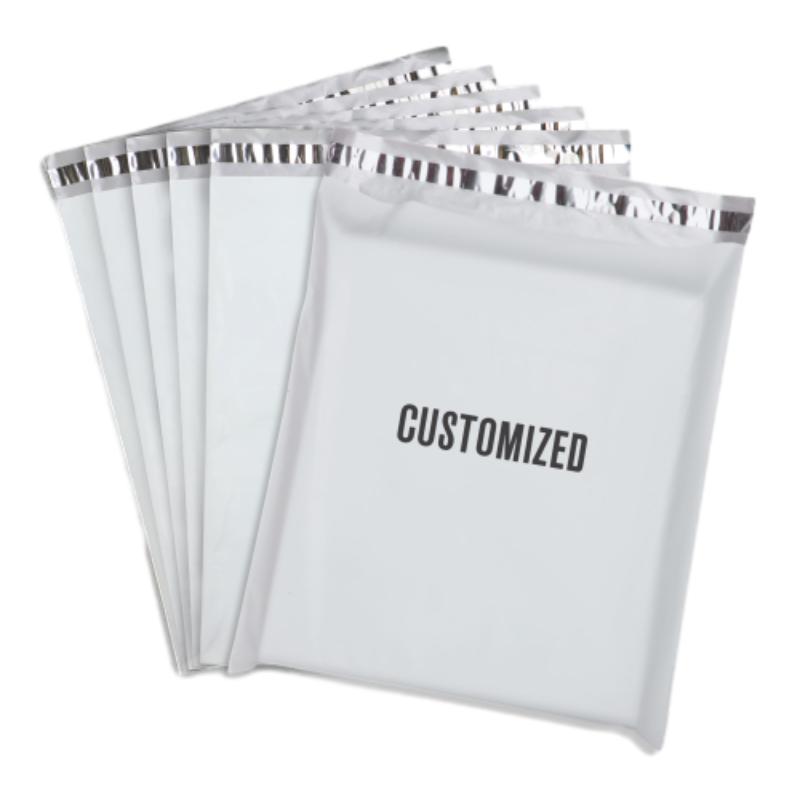
Unlike bulky boxes, shipping mailers provide ample printed surface, and with biodegradable inks and dyes, brands can communicate eco-values boldly while maintaining aesthetic polish. First impressions count — and eco-packaging scores points.
Takeaway:
- Strong mailers no longer mean environmental compromise.
- Certifications provide transparency and trust.
- Scaling biodegradable options is viable for all business sizes.
- Branding and customer perception are enhanced.
How and Where Are These Mailers Being Used Globally?
You might be surprised at just how widespread biodegradable shipping mailers have become, from e-commerce hubs in Europe and North America to fast-growing markets in Asia-Pacific. Retailers moving to sustainable packaging—like cosmetics brands, boutique fashion labels, and organic food distributors—are leading the charge.
In disaster relief scenarios, where responsible waste disposal is challenging, NGOs increasingly use mailers made from biodegradable materials to send small essentials. Oddly enough, these solutions often play a stronger role in humanitarian logistics than you’d guess; they minimize environmental impact when traditional plastic would litter fragile ecosystems.
Even governmental postal services, such as Switzerland Post and Canada Post, have trialed biodegradable mailers as part of ongoing ‘green mail’ initiatives.
Takeaway:
- E-commerce and retail sectors drive global demand.
- Biodegradable mailers suit even complex logistics, including relief efforts.
- Governments and large institutions are testing and adopting these options.
Comparative Product Specification Table
| Specification | Material | Dimensional Options | Biodegradation Time | Seal Type | Certification |
|---|---|---|---|---|---|
| Standard Eco Mailer | PLA + Cornstarch Blend | 10x13 in, 12x16 in | 90 days (industrial compost) | Self-Adhesive Strip | ASTM D6400 |
| Premium Hemp Fiber Mailer | Hemp + Biopolymer Mix | Custom Sizes | 60 days (industrial compost) | Peel & Seal | EN 13432 |
| Bulk Kraft Paper Mailer | Recycled Kraft Paper + PLA Coating | 9x12 in, 11x14 in | 30-45 days (home compost) | Water-Activated Gum | Home Compost Certified |
Comparing Leading Vendors of Biodegradable Shipping Mailers
| Vendor | Product Range | Pricing | Lead Time | Eco Certifications | Customization Options |
|---|---|---|---|---|---|
| GreenShip Packaging | Wide (Standard + Custom) | Mid-Range | 2-3 weeks | ASTM D6400, FSC Paper | Logo Print, Sizes |
| EcoPak Solutions | Focus on Kraft + Hemp | Higher End | 3-4 weeks | EN 13432, Home Compost | Full Custom Development |
| BioPack Worldwide | Mass Market Options | Competitive | 1-2 weeks | ASTM D6400 | Limited |
Advantages & Lasting Impact of Biodegradable Mailers
These mailers are not just another packaging fad. They deliver tangible environmental benefits by easing landfill pressure and reducing fossil fuel dependency. Logistically, they maintain parcel integrity while resonating emotionally with consumers who increasingly associate eco-friendly packaging with brand authenticity and corporate responsibility.
Socially, they contribute to cleaner communities and oceans, preserving habitats. In commercial terms, investing in biodegradable mailers aligns with sustainability goals, advances green marketing, and builds consumer trust.
Spotlight on Future Trends
Looking ahead, the trend is moving toward fully circular packaging systems integrating biodegradable shipping mailers. Innovations include:
- Integration of bio-nano additives to speed up decomposition
- Combinational packaging materials blending compostable fibers with smart sensors for temperature or humidity monitoring
- Policies mandating producer responsibility to close the waste loop
- Digital platforms — traceable via QR codes to track biodegradation stages for transparency
Challenges and How Industry Experts Are Addressing Them
That said, challenges remain. Fragmented composting infrastructure slows biodegradation, and confusing labeling can mislead consumers. Also, some mailers cannot be recycled in traditional streams, which requires better consumer education.
Experts are recommending:
- Standardized certification and clearer consumer communication
- Greater investment in local composting facilities
- Ongoing research into cost reduction and scaling technologies
FAQ: Your Common Questions Answered
- Q: Are biodegradable shipping mailers suitable for wet items?
- A: While many biodegradable mailers are water-resistant, they are not fully waterproof. For wet or damp items, pairing with an additional waterproof pouch or a double-layered mailer is recommended.
- Q: How can I verify if a mailer is truly biodegradable?
- Check for certifications like ASTM D6400 or EN 13432 printed on the packaging or product data sheets. Verified labs and sustainability reports are also reliable sources.
- Q: Can my existing shipping process use biodegradable mailers without major changes?
- In most cases, yes. The size, weight, and sealing methods mirror regular mailers, making integration straightforward with little operational disruption.
- Q: Will biodegradable mailers increase shipping costs significantly?
- Costs have come down recently and vary depending on volume and vendor. Often, the brand value and environmental benefits offset small price differences.
- Q: Are these mailers compostable at home or only in industrial facilities?
- Most require industrial composting conditions, but some products are home compost-certified. Always check labeling to be sure.
Final Thoughts & Invitation
Biodegradable shipping mailers embody a practical and hopeful step towards reducing packaging waste’s environmental toll. They balance function, cost, and sustainability — helping companies keep pace with global standards and consumer values while ushering in a greener tomorrow.
Curious to explore how biodegradable mailers could fit your business? Visit https://www.liyabiobag.com and discover a range of eco-solutions crafted for every shipping need.
References
-
Secure Shipping Guide with Poly Mailer Bubble Wrap SolutionsNewsApr.16,2026
-
Secure Shipping Guide for Using Durable Bubble Parcel BagsNewsApr.09,2026
-
Comprehensive Guide to Poly Mailer Bubble for Secure and Efficient ShippingNewsApr.07,2026
-
Elevate Your Brand with Custom Designer Bubble Mailers for Effective PackagingNewsApr.04,2026
-
Comprehensive Guide to Poly Mailers with Bubble Wrap for Secure ShippingNewsMar.31,2026
-
Comprehensive Guide to Large Bubble Poly Mailers for Secure and Efficient ShippingNewsMar.28,2026
-
Have the freedom of customizing your custom mailers any way you want! Our dedicated packaging support will help deliver you the mailing experience you need to elevate your shipping experience to the next level! Start making a strong impression on your customers and stand out from your competitors! -
LIYA uses high quality raw materials which directly purchased from large enterprises domestic and overseas such as PetroChina, Sinopec, Sabic, Equate, ExxonMobil, Dow Chemical, Total, and Borouge, ensuring the price advantage and quality of the raw materials. -
LIYA uses high quality raw materials which directly purchased from large enterprises domestic and overseas such as PetroChina, Sinopec, Sabic, Equate, ExxonMobil, Dow Chemical, Total, and Borouge, ensuring the price advantage and quality of the raw materials.
 English
  Arabic
  China
China  French
  Korean
  Russian
  Spanish