Sustainable Degradable Mailing Bags for Eco-Friendly Packaging Solutions
Why Degradable Mailing Bags Are Becoming a Global Game-Changer
We hardly notice the tiny envelopes carrying our letters, samples, or e-commerce deliveries, but the impact of mailing bags on the environment and supply chains is huge. Degradable mailing bags are not just a trendy choice; they respond to global waste challenges, rising customer demand for sustainability, and mounting regulations on plastics. As digital commerce grows worldwide, the sheer volume of packaging waste has skyrocketed — and many governments, businesses, and consumers rightly want better options.
Understanding these degradable alternatives means more than ticking boxes for “green” products. It’s about embracing packaging that breaks down naturally, reduces landfill burdens, and often comes with technical features tailor-made for modern logistics. In this article, we’ll unpack what degradable mailing bags really mean, why they matter today, and where the packaging industry is headed.
Global Context: A Packaging Problem in Plain Sight
Globally, plastic packaging accounts for over 40% of total plastic use (source: Statista). The UN points out that less than 20% of plastic is recycled, with most ending up in landfills or oceans. Mailing bags — often single-use and lightweight — contribute disproportionately to this waste. The ecommerce boom has been a double-edged sword: while it fuels convenience, it also floods markets with packaging remnants.
Because traditional polybags degrade over centuries, their accumulation spells serious environmental consequences. Many nations (EU, India, Canada) are tightening restrictions on single-use plastics. Businesses see this as a challenge — but also an opportunity to pivot toward degradable mailing bags that satisfy both regulatory and consumer pressures.
Frankly, this isn’t just an eco-movement; it’s a practical shift in industrial supply chains toward smarter, more responsible packaging solutions.
What Exactly Are Degradable Mailing Bags?
At their simplest, degradable mailing bags are postal or courier bags designed to break down through natural processes — either biodegradation, photodegradation, or composting. They are typically made from bio-based polymers or specially engineered plastics embedded with additives that accelerate deterioration under environmental conditions.
Unlike traditional plastic bags that linger for centuries, these bags return to the soil or convert into harmless substances far quicker — sometimes within months. For industries shipping clothes, documents, or small items, this means less post-consumer waste and improved environmental footprints.
In humanitarian and industrial contexts, such bags also help reduce pollution during massive shipping operations. NGOs and disaster relief agencies, for example, benefit from solutions that combine durability with eco-friendliness when dispatching essentials to remote areas.
Core Components to Know About Degradable Mailing Bags
1. Material Base and Biodegradability
The backbone usually involves polylactic acid (PLA), starch blends, or polyhydroxyalkanoates (PHA). Each type varies in strength, cost, and degradation speed. For instance, PLA is compostable but needs industrial composters, while starch blends degrade more readily in natural environments but might be less water-resistant.
2. Durability and Protection
Despite being designed to degrade, they can be surprisingly robust during transit. Many bags come with tear resistance, moisture barriers, and tamper-evident seals — ensuring products arrive safely before the degradation process begins. It’s a delicate balance that manufacturers tweak carefully.
3. Cost and Scalability
On average, degradable bags cost 10-20% more than conventional plastics. Though initially pricier, the scalability of manufacturing is improving, driving prices down. For businesses managing massive volumes, cost-effectiveness depends on supplier partnerships and volume discounts.
4. Regulatory Compliance
Many producers ensure their bags meet standards like ASTM D6400 (USA) or EN 13432 (Europe), certifying how and when the bags degrade. These certifications lend credibility and ease business adoption, especially across borders.
5. Customization and Branding
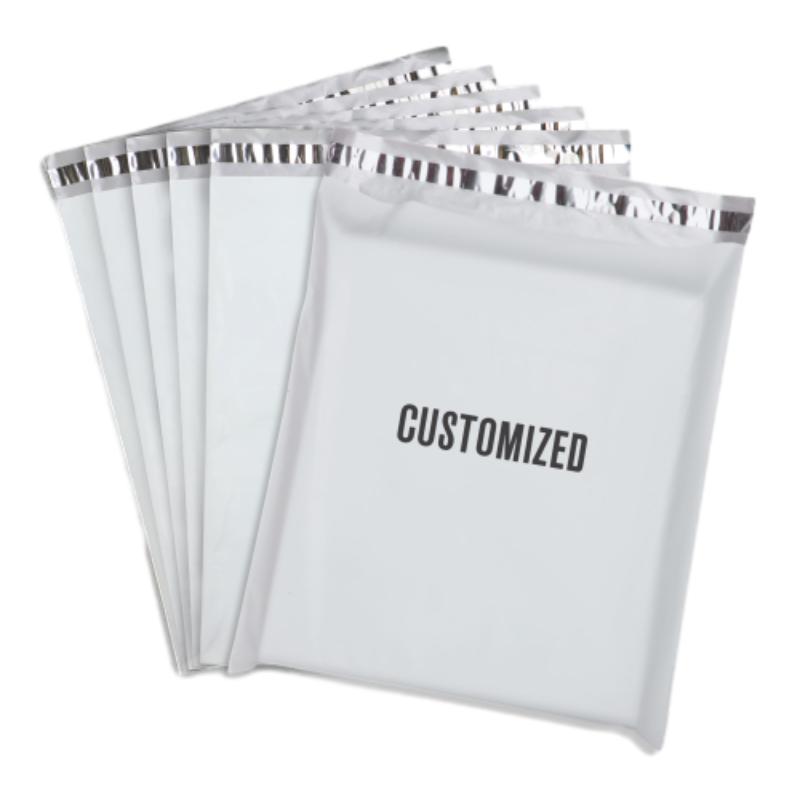
Companies can add print, logos, or QR codes, marrying sustainability with marketing needs. This often plays well in customer-facing sectors, where brand image goes hand-in-hand with eco-consciousness.
Degradable Mailing Bags in Action: Global Use Cases
- Fashion & Apparel: Brands in Europe and North America switch to degradable bags for online garment shipments — reducing landfill waste after customers receive their orders.
- Humanitarian Aid: Relief organizations send medical supplies and documents in controlled environments with bags that degrade in weeks, cutting down plastic remnants in fragile ecosystems.
- Remote Industrial Zones: Energy and mining companies import parts using degradable bags that meet strict import/export regulations while minimizing environmental hazards.
- Local Small Businesses: Artisan food producers and local retailers in Asia use compostable mailing bags to uphold fresh image and sustainability claims.
Typical Product Specification Table
| Feature | Specification |
|---|---|
| Material | PLA & Starch Blend |
| Size Range | 150mm x 250mm – 400mm x 550mm |
| Tear Resistance | > 25 N |
| Degradation Time (Industrial Compost) | 90 - 120 days |
| Certifications | ASTM D6400, EN 13432 |
| Recyclability | Industrial Composting Recommended |
Comparing Leading Degradable Mailing Bag Vendors
| Vendor | Material Tech | Price Level | Customization Options | Certifications |
|---|---|---|---|---|
| EcoPack Solutions | PLA/starch blend | Mid-range | Full print & size options | |
| GreenWrap Co. | PHA | Premium | Limited colors, custom logo | |
| BioMail Ventures | PLA with additives | Budget-Friendly | Standard sizes, no print |
Why Choose Degradable Mailing Bags? The Long-Term Benefits
There’s a lot more than meets the eye when it comes to these bags. On the surface, they’re environmentally friendlier — that part’s clear. But beyond that, they can help companies meet increasingly stringent regulations and improve brand reputation with eco-conscious customers. For some industries, switching to degradable options prevents costly penalties linked to waste management.
On a human level, using such bags contributes to reducing the pollution that harms communities and wildlife. It’s the dignity of knowing your shipments aren’t silently adding to ocean plastics or littering soil.
Over time, innovations in degradable polymers hint at even better durability and lower costs. For many businesses, that sweet spot of price, performance, and planet care is the future.
Looking Ahead: Future Trends in Degradable Mailing Bag Technology
New composite materials, like microbial cellulose and advanced bioplastics, are already shaping prototypes that could degrade even faster, with less energy input. Smart degradable materials might soon integrate sensors for shipment monitoring — a sort of “digital eco-bag.”
On the policy front, governments are nudging industries toward a circular economy, where packaging isn’t just thrown away but part of a cycle. Digital transformation paired with automation in bag manufacturing is reducing waste at the production stage itself.
Frankly, it feels like we’re standing on the edge of an era where mailing bags will do a lot more than just “hold.”
Hurdles and How to Navigate Them
Stuff isn’t perfect yet — raw materials can be inconsistent, and not all waste-disposal infrastructure supports industrial composting globally. Sometimes, you hear complaints about slightly higher costs or bags not degrading “fast enough” under home composting.
Solutions are multi-pronged: ongoing R&D, clearer labeling for disposal, building standards for end-of-life processing, and educating users. Collaborations between manufacturers, NGOs, and legislators increasingly shape smarter policies — so these problems aren’t insurmountable, just challenges for us to tackle together.
FAQs About Degradable Mailing Bags
- Q: How long does it take for degradable mailing bags to break down?
- A: Typically, industrial compostable bags degrade within 90-120 days under proper conditions. Home composting times vary widely and can take longer.
- Q: Are degradable mailing bags waterproof like regular plastic ones?
- A: Many degradable bags are designed with moisture barriers and can protect contents well during shipping. However, extreme conditions might affect performance more than conventional plastics.
- Q: Can these bags be recycled alongside regular plastics?
- A: Not usually — degradable bags require special composting facilities. Mixing them with regular plastic recycling streams can contaminate recycling.
- Q: Are degradable mailing bags more expensive than conventional ones?
- A: Generally, yes, by roughly 10-20%, though economies of scale and technological refinement are bringing costs down steadily.
- Q: Can I customize degradable mailing bags with my company logo?
- A: Absolutely; many vendors offer custom printing and branding options to align eco-friendliness with marketing needs.
Summary and Next Steps
Degradable mailing bags represent a practical, sustainable step forward in reducing packaging waste and boosting brand credibility worldwide. Their biodegradability, coupled with emerging technical advances, aligns well with circular economy goals and consumer expectations. While current challenges exist, industry momentum and policy frameworks strongly support wider adoption.
If you’re interested in making a positive environmental choice without compromising on quality or function, checking out reputable suppliers like degradable mailing bags is an excellent start. After all, every package sent is an opportunity to do better — for business, customers, and our planet.
References:
-
Secure Shipping Guide with Poly Mailer Bubble Wrap SolutionsNewsApr.16,2026
-
Secure Shipping Guide for Using Durable Bubble Parcel BagsNewsApr.09,2026
-
Comprehensive Guide to Poly Mailer Bubble for Secure and Efficient ShippingNewsApr.07,2026
-
Elevate Your Brand with Custom Designer Bubble Mailers for Effective PackagingNewsApr.04,2026
-
Comprehensive Guide to Poly Mailers with Bubble Wrap for Secure ShippingNewsMar.31,2026
-
Comprehensive Guide to Large Bubble Poly Mailers for Secure and Efficient ShippingNewsMar.28,2026
-
Have the freedom of customizing your custom mailers any way you want! Our dedicated packaging support will help deliver you the mailing experience you need to elevate your shipping experience to the next level! Start making a strong impression on your customers and stand out from your competitors! -
LIYA uses high quality raw materials which directly purchased from large enterprises domestic and overseas such as PetroChina, Sinopec, Sabic, Equate, ExxonMobil, Dow Chemical, Total, and Borouge, ensuring the price advantage and quality of the raw materials. -
LIYA uses high quality raw materials which directly purchased from large enterprises domestic and overseas such as PetroChina, Sinopec, Sabic, Equate, ExxonMobil, Dow Chemical, Total, and Borouge, ensuring the price advantage and quality of the raw materials.
 English
  Arabic
  China
China  French
  Korean
  Russian
  Spanish