Custom shipping bags for clothes are more than just packaging; they represent a brand’s commitment to quality, customer experience, and increasingly, sustainability. In today’s e-commerce dominated world, where first impressions are crucial, the packaging itself has become an integral part of the brand identity. Globally, the demand for efficient and branded packaging solutions continues to rise, driven by the growth of online retail and the need for secure and attractive product presentation. Understanding the nuances of custom shipping bags for clothes is paramount for businesses looking to stand out and build customer loyalty.
The global packaging market is a multi-billion dollar industry, with a significant portion dedicated to the apparel sector. According to recent reports, the e-commerce packaging market is projected to reach \$73.8 billion by 2027, exhibiting a CAGR of 10.7% from 2020 to 2027 (Source: Allied Market Research). This growth is fueled by increased online shopping, especially for clothing. A major challenge within this market is minimizing environmental impact and ensuring packaging adequately protects garments during transit. Effective custom shipping bags for clothes address both these concerns.
Investing in quality custom shipping bags for clothes demonstrates a brand’s value proposition and attention to detail. They’re not merely containers but mobile marketing tools, reinforcing brand recognition with every delivery. Moreover, these specialized bags can be designed to optimize shipping costs, reduce damage during transportation, and offer a superior unboxing experience, ultimately leading to increased customer satisfaction and repeat business.
Introduction to Custom Shipping Bags for Clothes
Custom shipping bags for clothes are specifically designed packaging solutions tailored to the unique needs of the apparel industry. They move beyond generic shipping options, offering branding opportunities, garment protection, and efficient logistics. These bags aren’t a one-size-fits-all solution; they are crafted to meet the specific size, weight, and aesthetic requirements of the clothing being shipped. custom shipping bags for clothes are a key component of a successful e-commerce strategy.
The increasing demand for these specialized bags reflects a shift in consumer expectations. Customers now expect a premium experience from start to finish, and that includes the packaging. A well-designed custom bag enhances brand perception, fosters customer loyalty, and can even encourage social media sharing. Furthermore, they offer practical benefits like moisture protection and tamper evidence, ensuring garments arrive in perfect condition.
Defining Custom Shipping Bags for Clothes
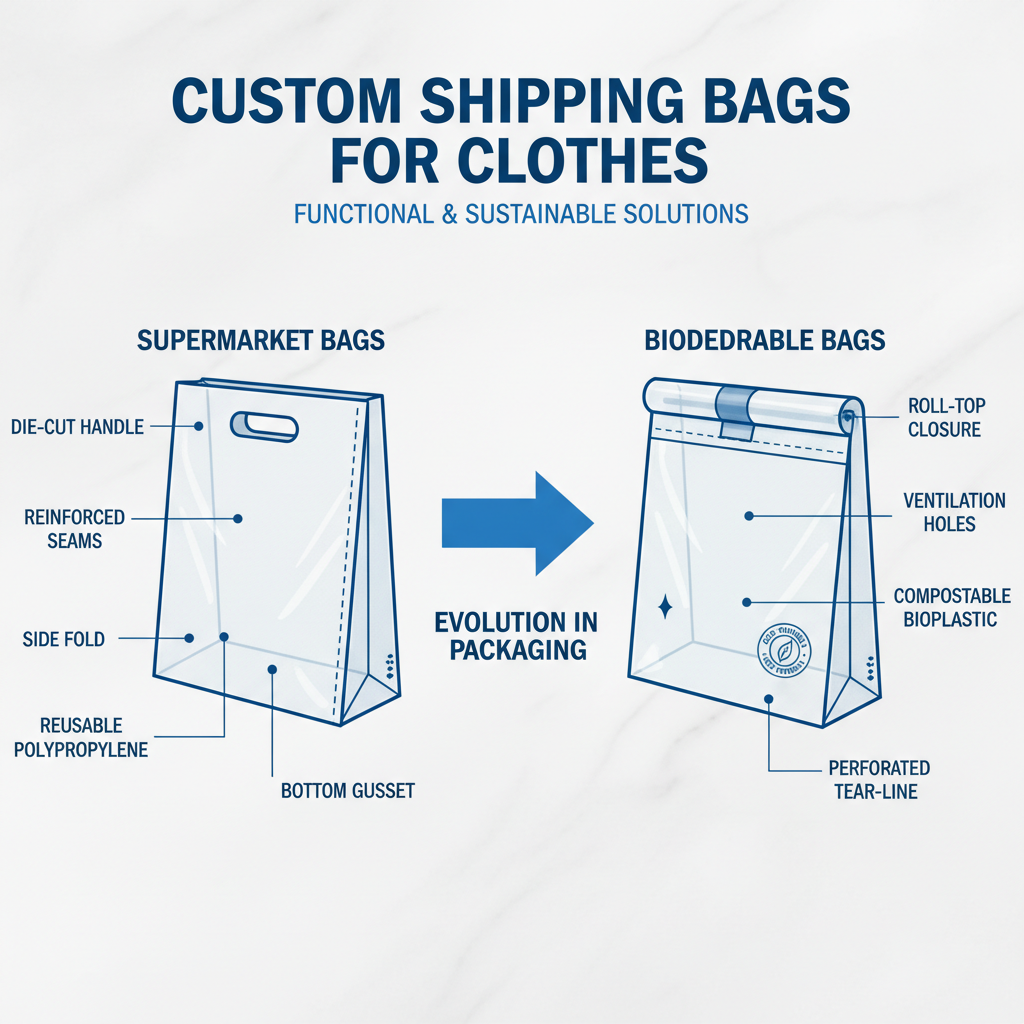
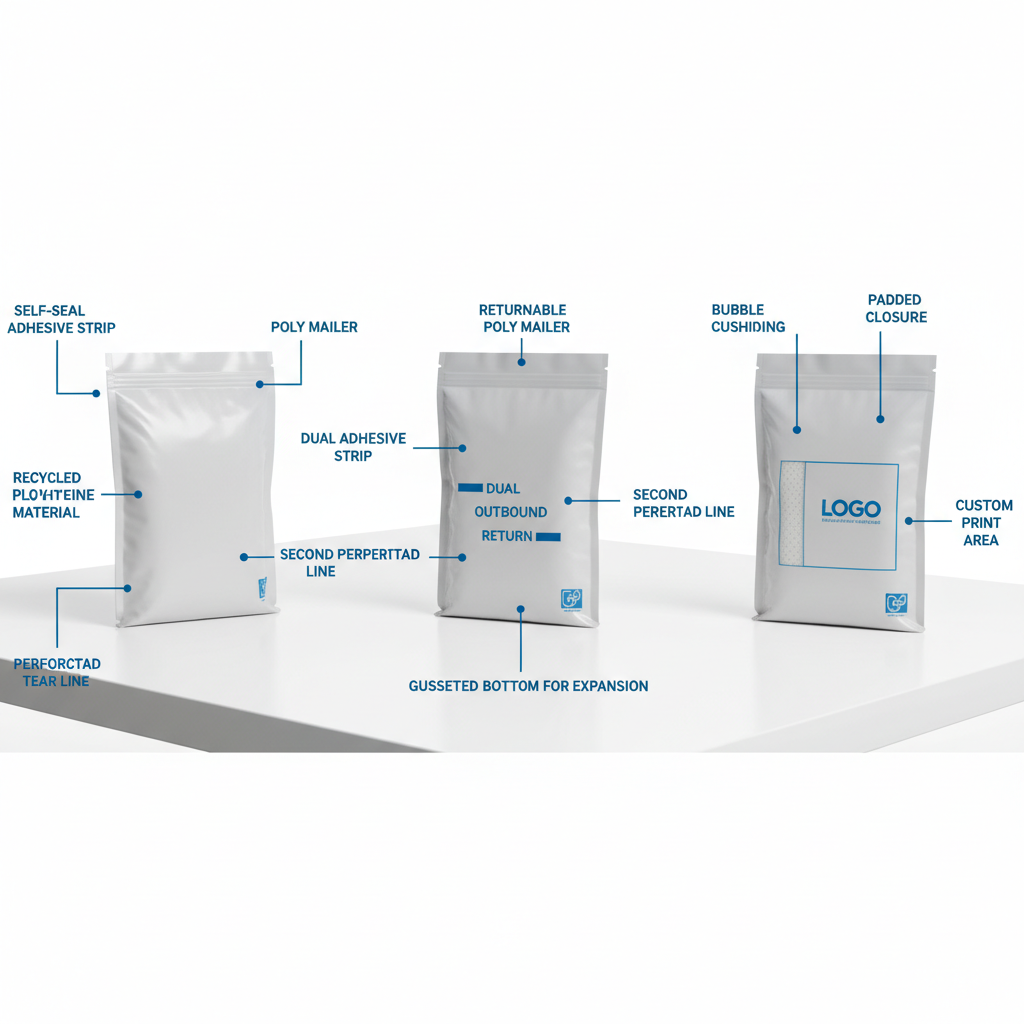
Custom shipping bags for clothes encompass a broad range of packaging options, varying in material, size, and design. They differentiate themselves from standard poly mailers or cardboard boxes through tailored branding, enhanced protection, and convenience. This customization can include printed logos, unique designs, specialized closures (like zippers or adhesive strips), and materials chosen for their specific properties (water resistance, breathability, etc.).
The core purpose is to safeguard clothing during transit while simultaneously promoting brand identity. Unlike generic packaging, custom bags create a memorable unboxing experience, leaving a lasting positive impression on the customer. The ability to include marketing materials within the bag further enhances its value as a branding tool.
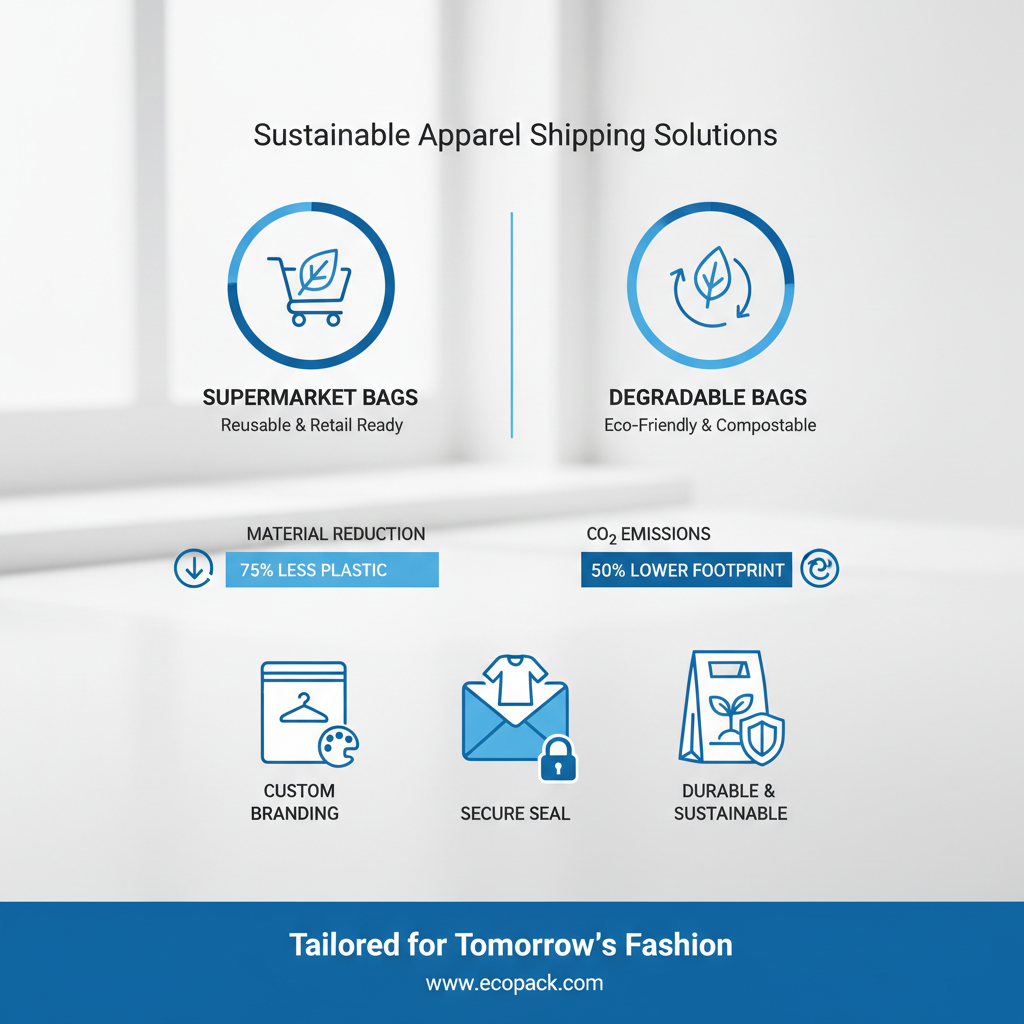
In a modern context, the definition also extends to encompass eco-friendly materials and sustainable practices. Consumers are increasingly aware of the environmental impact of packaging, and demand for biodegradable or recyclable options is growing rapidly. Therefore, a truly modern definition of custom shipping bags for clothes incorporates both functionality and environmental responsibility.
Key Factors in Selecting Custom Bags
Several key factors influence the selection of appropriate custom shipping bags for clothes. Durability is paramount – the bag must withstand the rigors of the shipping process, protecting garments from damage. Materials like polyethylene (PE) and polypropylene (PP) offer varying degrees of tear resistance and puncture proofing. The chosen material must align with the weight and fragility of the clothing items being shipped.
Cost-effectiveness is another critical consideration. While branding and protection are important, businesses need to balance these factors against budgetary constraints. Exploring different materials, sizes, and printing options can help optimize costs without compromising quality. Bulk ordering typically yields significant savings.
Branding Opportunities are central to the value proposition of custom bags. High-quality printing capabilities allow for vibrant logos, unique designs, and compelling messaging. The bag itself becomes a mobile billboard, reinforcing brand recognition with every delivery. Sustainability is gaining prominence, with consumers actively seeking eco-friendly packaging options. Using recycled materials or biodegradable polymers demonstrates a commitment to environmental responsibility. Size and Closure are also important to ensure proper fit and security.
Global Applications and Use Cases
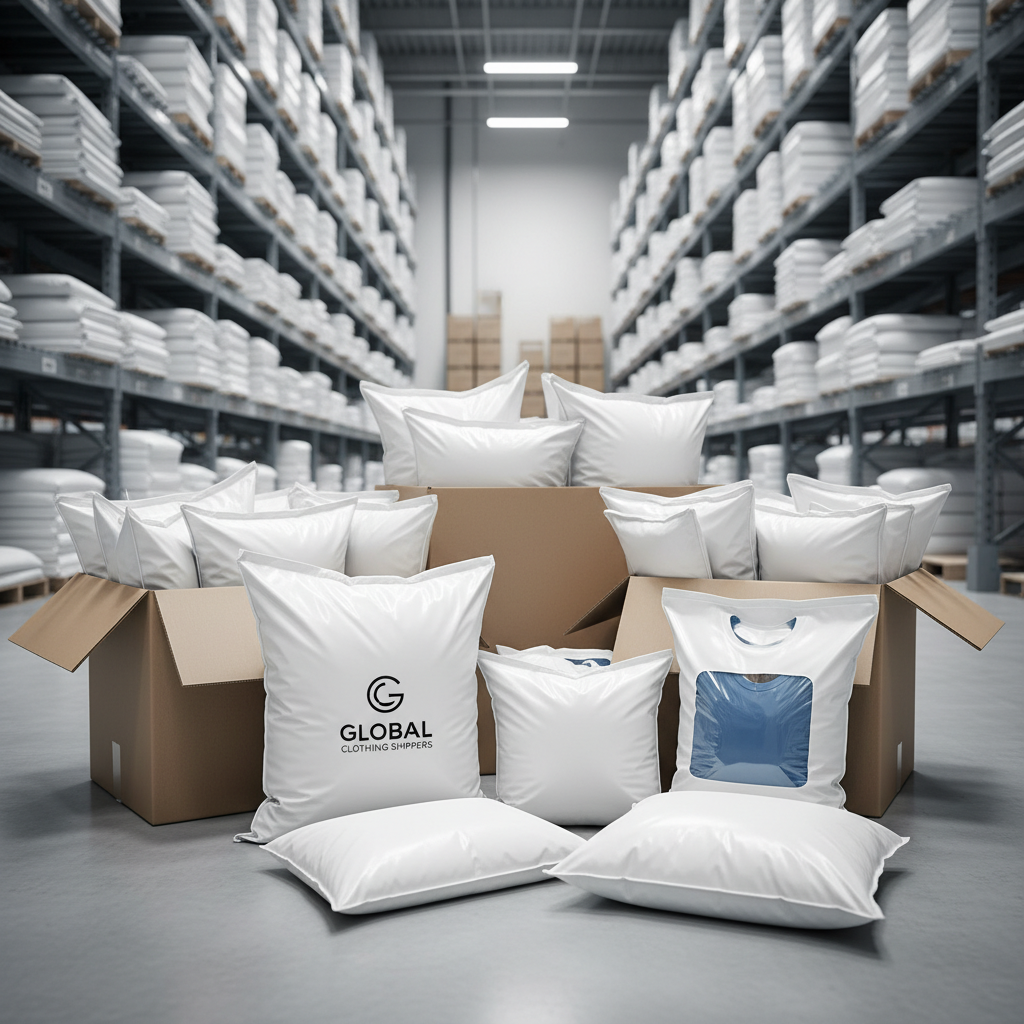
Custom shipping bags for clothes are utilized across a wide spectrum of industries and applications globally. Fashion e-commerce businesses of all sizes rely on these bags to deliver apparel directly to consumers. Retailers use them for online order fulfillment and in-store purchases requiring shipping.
In post-disaster relief operations, branded shipping bags can be used to distribute clothing donations, providing a sense of dignity and order to those affected. In remote industrial zones, apparel manufacturers use customized bags for shipping finished goods to distributors and retailers. Subscription box services specializing in clothing frequently leverage custom bags to create a premium unboxing experience.
Specifically, in Europe, the demand for sustainable packaging solutions is driving adoption of biodegradable shipping bags. North America is seeing a rise in personalized branding options, with brands utilizing intricate designs and unique closures. Asia-Pacific represents a rapidly growing market, fueled by the expansion of e-commerce and the increasing disposable incomes of consumers.
Customer Satisfaction Ratings for Different Custom Shipping Bags for Clothes
Advantages and Long-Term Value
The advantages of utilizing custom shipping bags for clothes extend beyond mere aesthetics. Tangible benefits include reduced product damage during transit, leading to fewer returns and increased customer satisfaction. Optimized bag dimensions can lower shipping costs by minimizing dimensional weight charges. Branding opportunities build brand recognition and customer loyalty.
From a long-term perspective, these bags contribute to a positive brand image, signaling a commitment to quality and customer care. Choosing eco-friendly materials demonstrates corporate social responsibility, attracting environmentally conscious consumers. The consistent branding across all shipments reinforces brand messaging and enhances overall brand equity. custom shipping bags for clothes represent a smart investment in building a strong and sustainable brand.
Future Trends and Innovations
The future of custom shipping bags for clothes is poised for innovation. We're seeing a surge in the development of fully compostable and biodegradable materials, reducing the environmental footprint of packaging. Digital printing technologies are enabling increasingly complex and personalized designs at lower costs.
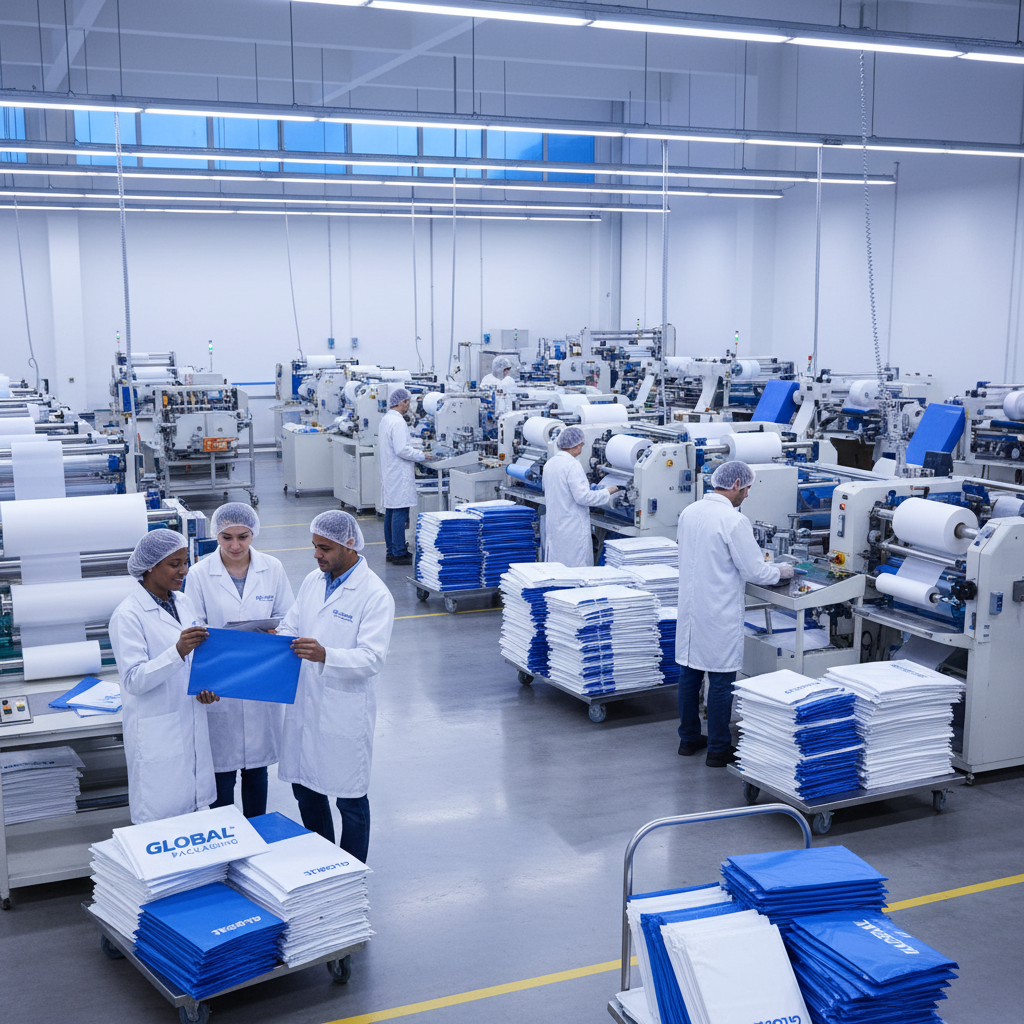
Automation and robotics are streamlining the bag manufacturing and fulfillment processes, leading to increased efficiency and reduced lead times. Integration with e-commerce platforms will allow for dynamic customization, enabling brands to tailor packaging based on individual customer preferences. Furthermore, advancements in smart packaging (incorporating QR codes or RFID tags) will enhance traceability and provide valuable data on supply chain performance.
Challenges and Solutions
Despite their advantages, challenges remain in the widespread adoption of custom shipping bags for clothes. Cost can be a barrier for smaller businesses, especially when opting for eco-friendly materials. Ensuring consistent print quality across large production runs requires careful quality control.
Sourcing sustainable materials and navigating complex supply chains can be difficult. Solutions include exploring alternative materials (like mushroom packaging or seaweed-based films), leveraging economies of scale through bulk ordering, and partnering with reputable suppliers who prioritize sustainability and ethical sourcing.
Investing in advanced printing technologies and implementing robust quality control processes can mitigate print quality issues. Embracing digital transformation and utilizing data analytics can optimize inventory management and streamline the fulfillment process.
Analysis of Custom Shipping Bag Performance Metrics
| Material Type |
Durability Rating (1-10) |
Sustainability Score (1-10) |
Cost per Unit (USD) |
| Polyethylene (PE) |
8 |
3 |
0.05 |
| Polypropylene (PP) |
9 |
4 |
0.07 |
| Recycled Plastic |
7 |
7 |
0.12 |
| Biodegradable Poly |
6 |
9 |
0.20 |
| Kraft Paper |
5 |
8 |
0.15 |
| Mushroom Packaging |
4 |
10 |
0.30 |
FAQS
The minimum order quantity (MOQ) varies depending on the material, size, and customization options. Generally, we offer flexible MOQs to cater to both small businesses and large corporations. It’s best to contact us with your specific requirements for a tailored quote. Lower MOQs often come with slightly higher per-unit costs, while larger orders benefit from economies of scale.
The turnaround time for custom orders typically ranges from 2-4 weeks, depending on the complexity of the design, the chosen material, and our current production schedule. We provide a detailed timeline with each quote, outlining the key milestones from artwork approval to final delivery. Rush options are available for urgent orders, but may incur additional fees.
Absolutely! We offer sample production to ensure you are completely satisfied with the quality, design, and fit of the bags before committing to a large order. Samples typically take 1-2 weeks to produce and may be subject to a small fee, which is often credited towards your final order.
We prefer artwork to be submitted in vector formats such as Adobe Illustrator (.AI) or EPS. These formats ensure the highest quality printing results. We also accept high-resolution raster images (JPEG or PNG) at 300 DPI. Please ensure all fonts are outlined or embedded to avoid any font substitution issues.
We offer a range of eco-friendly options, including bags made from recycled plastics, biodegradable materials, and compostable polymers. We are committed to sustainable packaging solutions and can help you choose the best option to minimize your environmental impact. We also source materials from responsible suppliers.
Yes, our in-house design team can provide assistance with creating or refining your artwork. We can help with logo placement, color selection, and overall design aesthetics. Design fees may apply depending on the scope of the work. We're happy to collaborate with you to create packaging that reflects your brand identity.
Conclusion
In conclusion, custom shipping bags for clothes are a powerful investment for businesses looking to enhance their brand image, protect their products, and improve the customer experience. From selecting the right materials to optimizing designs for cost-effectiveness and sustainability, careful consideration of key factors is crucial. They are far more than simple packaging - they represent a direct extension of your brand’s values and commitment to quality.
As the e-commerce landscape continues to evolve, the demand for innovative and sustainable packaging solutions will only grow. By embracing future trends and proactively addressing challenges, businesses can leverage custom shipping bags for clothes to gain a competitive advantage and build lasting customer loyalty. Visit our website at www.liyabiobag.com to explore our range of custom solutions and receive a personalized quote.



 English
  Arabic
  China
China  French
  Korean
  Russian
  Spanish