Look, shipping bags in bulk… it’s a world most folks don’t think about, right? But I’m telling you, after years on construction sites, in factories, even helping unload stuff after that typhoon in the Philippines, it's everything. It’s the unsung hero of getting things done. Lately, everyone’s talking about sustainability, which is good, but it's more than just buzzwords. It’s about actually building something that holds up, doesn’t fall apart the second it gets a little wet, and doesn't cost a fortune to replace. That’s where bulk ordering comes in. shipping bags in bulk isn't just about volume discounts, it’s about getting consistent quality.
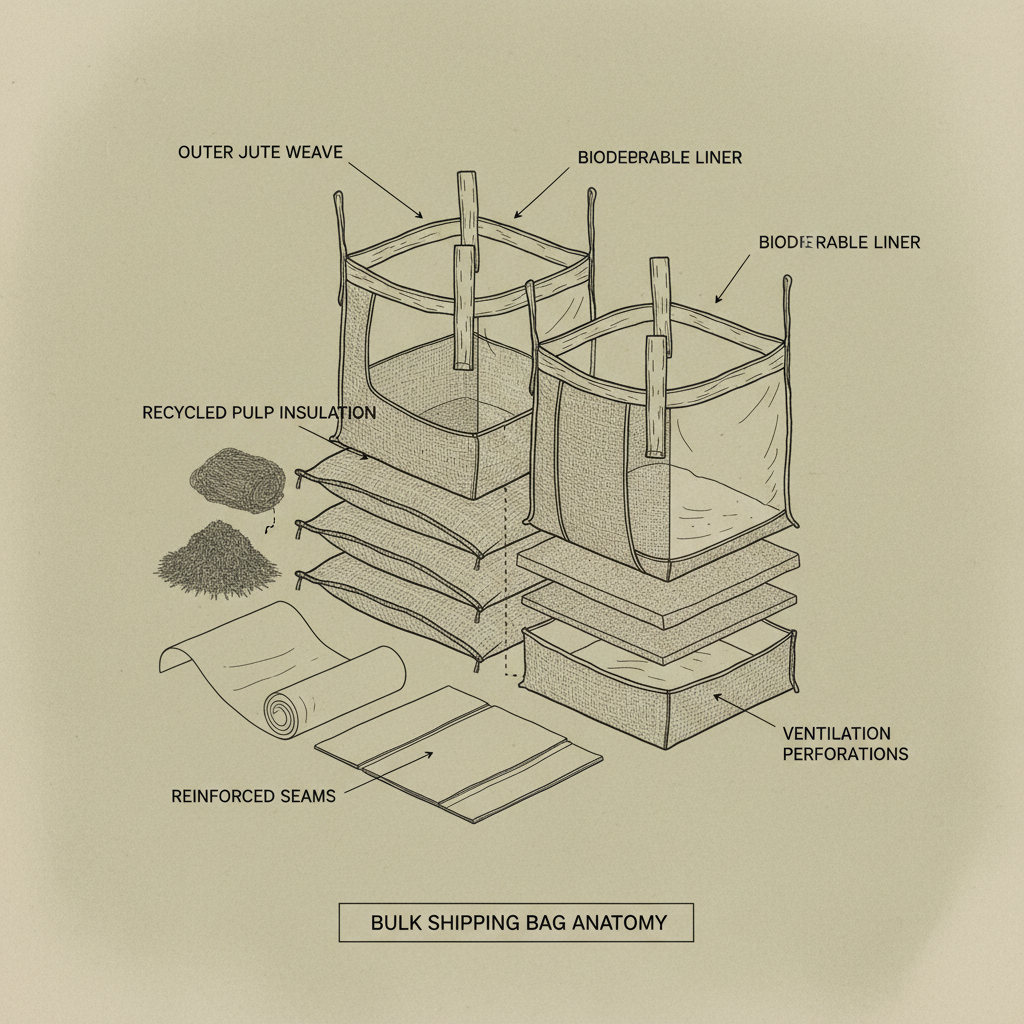
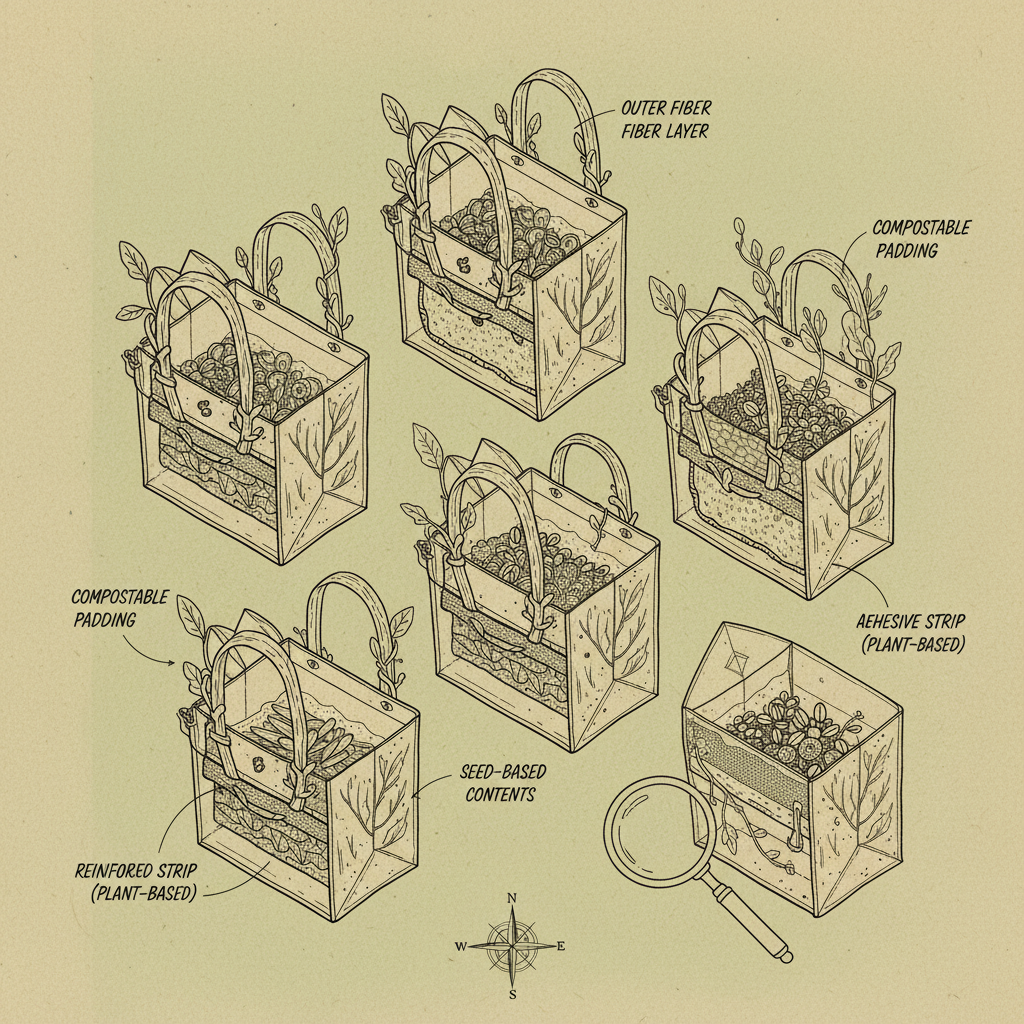
What I’ve seen lately is a real push for biodegradable options, which is great, but there’s a ton of junk out there. Stuff that looks eco-friendly but splits faster than a cheap zipper. You’ve got to test it, really test it. I’ve had guys complain about bags ripping mid-lift more times than I can count. It’s not just inconvenient; it’s dangerous. And then you’re dealing with lost materials, wasted time… the whole thing spirals.
To be honest, most people underestimate how much stress these bags are under. They think it’s just a bag. But it’s holding everything – cement, steel rebar, even sensitive electronics. It has to hold. It needs to hold.
The Importance of Durable Materials
You know, the biggest mistake I see companies make is skimping on the material. They go for the cheapest plastic, and then wonder why everything's falling apart. I was at a concrete plant in Texas last year and they were using these thin, flimsy bags… the dust alone was ripping them open. Seriously, a joke. You need something with some heft, some tensile strength. We've been switching over to woven polypropylene – feels almost like canvas, smells kinda plasticky, but it holds. It’s tougher, resists punctures, and doesn’t stretch as easily.
And it's not just about the material itself. The weave matters. The thickness of the strands matters. You need a consistent weave, otherwise you get weak points. It sounds simple, but it’s surprisingly complex.
Scaling Up: Why Bulk Ordering Matters
Look, if you’re a small operation, maybe buying a few bags here and there is fine. But once you start scaling up, you have to think about bulk. It’s not just about the price, though that's a huge factor. It's about consistency. When you buy in bulk from a reputable supplier, you know you're getting the same quality bag every time. No surprises. That's huge for planning, for budgeting, and for keeping your projects on schedule. Have you noticed, those little inconsistencies, they add up.
I’ve seen projects delayed because they ran out of bags mid-shipment, or because the new batch of bags was a different size and didn't fit the pallets properly. It’s a nightmare. And finding a reliable supplier that can consistently deliver the quantity and quality you need? That’s half the battle.
Strangely, some people think buying in bulk means sacrificing customization. It doesn't have to! Most suppliers are willing to work with you on branding and sizes, especially if you’re a consistent customer.
Cost Efficiency and Long-Term Savings
Okay, let’s talk money. Buying shipping bags in bulk is almost always cheaper per unit. That’s obvious, right? But it’s more than that. Fewer orders mean less administrative overhead. Less time spent chasing down suppliers. Fewer opportunities for shipping errors. It’s a whole chain reaction of savings.
And consider the cost of failure. A bag ripping open and spilling materials? That’s not just the cost of the materials themselves. It’s the cost of labor to clean it up, the potential for delays, and the damage to your reputation. Those costs add up fast. Investing in quality bags upfront can save you a ton of money in the long run.
I encountered this at a solar panel installation site in California last time. They were using really cheap bags, and the panels kept getting scratched during transport. The warranty claims alone were astronomical. They switched to heavier-duty bags, and the problem went away.
Real-World Applications and Use Cases
Honestly, I’ve seen these bags used for everything. Construction materials, agricultural products, food packaging, even disaster relief. After that earthquake in Nepal, we were using them to transport everything from bottled water to medical supplies. The key is matching the bag to the application. You wouldn’t use a thin plastic bag for heavy construction materials, just like you wouldn’t use a heavy-duty woven bag for transporting lettuce.
In post-disaster relief operations, the speed of deployment is critical. Having a readily available supply of durable, reliable bags can make a huge difference. It means getting supplies to people faster and more efficiently. I've seen it firsthand.
Shipping Bags in Bulk: Application Suitability
Advantages and Limitations of Different Materials
You’ve got your standard polyethylene, polypropylene, woven polypropylene, even paper bags (though those are less common for heavy-duty applications). Each one has its pros and cons. Polyethylene is cheap and flexible, but tears easily. Polypropylene is more durable but can be brittle in cold weather. Woven polypropylene is the workhorse – strong, resistant to punctures, and relatively affordable. Anyway, I think, the best choice depends on the specific application.
Paper bags are making a comeback, but they’re really only suitable for lightweight items. They get crushed easily, and they're not very water-resistant. But they’re biodegradable, which is a plus for some people.
Customization Options and Practical Examples
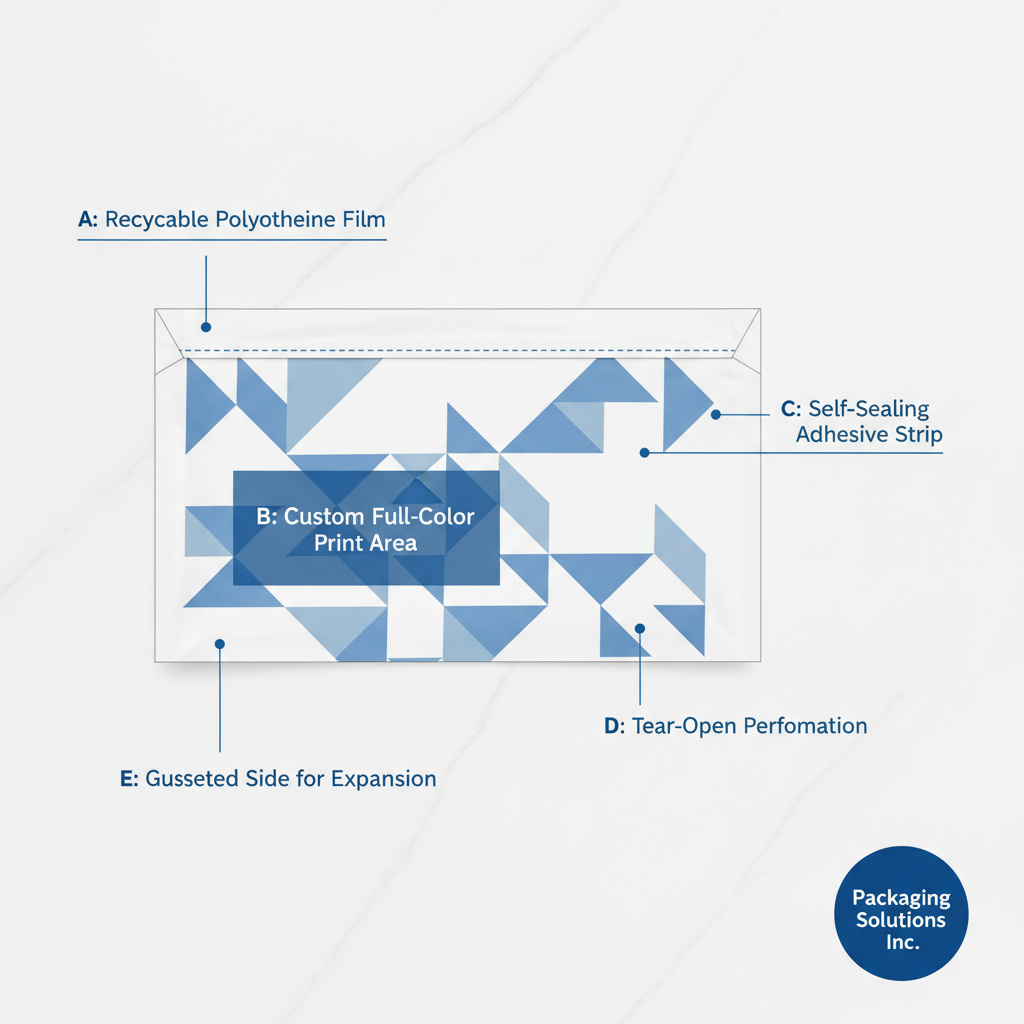
Most suppliers will let you customize the bags with your logo, your company name, or even specific instructions. I had a client last month, that small boss in Shenzhen who makes smart home devices, insisted on changing the interface to on all the bags, and the result was a three-week delay in shipment because the supplier had to retool. He thought it would “look more modern.” It was a headache, but hey, it’s their money.
You can also customize the size, the color, and the thickness of the bags. It's all about getting the right bag for the job.
You can even request bags with specific features, like reinforced handles or a waterproof lining.
Testing and Quality Control Procedures
Look, lab tests are fine, but they don’t tell the whole story. You need to test these bags in real-world conditions. We do drop tests, puncture tests, and tensile strength tests, but we also just… use them. We fill them with actual materials, lift them with forklifts, stack them on pallets, and see what happens.
I’ve seen bags pass all the lab tests but still fail in the field. It’s usually because the test conditions didn’t accurately reflect the stresses they would encounter in real life.
We also pay close attention to quality control at the factory. We inspect the bags for defects, check the weave, and make sure the seams are strong. It's a lot of work, but it’s worth it.
Summary of Key Quality Control Metrics
| Test Type |
Metric |
Acceptable Range |
Severity Level (1-5) |
| Tensile Strength |
Breaking Point (lbs) |
> 50 lbs |
2 |
| Puncture Resistance |
Force to Puncture (lbs) |
> 30 lbs |
3 |
| Drop Test |
Maximum Drop Height (ft) |
> 6 ft |
1 |
| Seam Strength |
Seam Pull Force (lbs) |
> 20 lbs |
2 |
| Dimensional Accuracy |
Size Variance (%) |
+/- 2% |
4 |
| Material Consistency |
Color Variation (Delta E) |
|
5 |
FAQS
That's a good question! Woven polypropylene is made from strands woven together, making it much stronger and more durable, ideal for heavier loads. Non-woven is made from pressed fibers – softer and more flexible, but not as strong. It’s better for lighter items and packaging where breathability is needed. You'll pay a bit more for woven, but it's worth it for most construction and industrial applications.
Honestly? Most of the "biodegradable" options I’ve seen are… optimistic. They break down eventually, but not quickly enough, and often not under normal conditions. They're fine for things like carrying lunch, but I wouldn’t trust them with heavy materials on a construction site. The new bio-based polyethylenes are getting better, but they're still more expensive.
Keep them dry! That’s the biggest thing. Store them indoors, off the ground, and away from direct sunlight. Sunlight degrades the plastic over time, making it brittle. Also, avoid stacking them too high – you don't want the bottom bags getting crushed. A well-ventilated space is best, too.
Absolutely! Most suppliers offer a wide range of colors. You can often specify a Pantone color code to match your branding. There might be a minimum order quantity for custom colors, and it will likely add to the cost, but it's usually worth it for branding purposes. Just factor in the lead time for color matching and production.
It depends on the supplier, the quantity, and any customization you've requested. Generally, expect at least 4-6 weeks, especially if you're ordering custom colors or sizes. It’s always best to plan ahead and place your order well in advance, especially during peak seasons. Last year, everything was backed up for months.
That's where a good supplier is critical. They should have rigorous quality control procedures in place, including inspections at various stages of production. We always ask for a pre-shipment inspection report and do our own spot checks when the shipment arrives. A reputable supplier will be transparent about their processes and willing to address any concerns.
Conclusion
So, shipping bags in bulk… it’s not glamorous, but it's essential. It’s about getting the right material, ordering the right quantity, and working with a reliable supplier. It’s about understanding the needs of your application and making sure the bags can handle the stress. It's about minimizing waste and maximizing efficiency. It's surprisingly complex when you really dig in, and a seemingly small detail can make or break a project.
Ultimately, whether this thing works or not, the worker will know the moment he tightens the screw. And if the bag rips? Well, he’ll be sending me a strongly worded email. If you're looking for a reliable source for shipping bags in bulk, I recommend doing your research and finding a supplier who understands your needs.


 English
  Arabic
  China
China  French
  Korean
  Russian
  Spanish