You know, I've been running around construction sites all year, dealing with dust and smells, and honestly, the whole thing with bulk mailing bags... it's changed a lot lately. Used to be, everything was just crammed into whatever plastic sack was cheapest. Now, everyone’s talking about sustainability, about needing something that won’t rip the minute it brushes against a concrete wall.
It’s funny, you spend all this time designing a great product, but it’s the packaging that can make or break it for the guys on the ground. I mean, have you noticed how quickly a flimsy bag can bring a whole workflow to a halt? It's a domino effect. And then you’re dealing with frustrated crews, lost parts, and a whole lot of wasted time.
The demand for better bulk mailing bags isn’t just about convenience, either. There’s a real push for safer handling, especially with heavier components. It's all well and good designing something lightweight, but if the bag fails and someone gets injured, all those savings go right out the window.
The Evolution of Bulk Mailing Bags
To be honest, five years ago, "bulk mailing bags" meant a cheap poly bag. Now? It’s a whole different ballgame. We’re seeing a shift towards woven polypropylene, reinforced polyethylene, even some bio-based materials. I encountered a factory in Vietnam last time that was really pushing a hemp-based option. Smelled…interesting. A little earthy, you know?
It's all driven by the need for durability and reusability. The days of single-use plastic are numbered, thankfully. Companies are realizing it's not just good PR, it’s actually cheaper in the long run to invest in something that lasts.
Common Pitfalls in Bulk Mailing Bag Design
Strangely enough, a lot of designers forget the basics. They focus on aesthetics and completely ignore the practicalities of handling. I’ve seen bags with handles that are too short, openings that are too small, or seams that burst after a couple of uses. It’s infuriating!
Another common mistake is underestimating the weight. They’ll design a bag that looks strong, but can’t actually handle the load. And then you've got the issue of static cling. Especially in dry climates, those plastic bags can become a nightmare, sticking to everything and making it impossible to get parts out.
Honestly, you'd think it's simple – a bag to hold stuff. But it’s a lot more nuanced than people realize.
Material Science: It’s More Than Just Plastic
Okay, so let’s talk materials. Woven polypropylene is the workhorse. It's strong, relatively cheap, and can handle a decent amount of abuse. You can feel the weave, it’s got a bit of a texture to it. The smell? Well, it smells like plastic, let's be real.
Then there's reinforced polyethylene. This stuff is tougher, more puncture-resistant, but also more expensive. It feels… smoother, more like a tarp. And then you're starting to see more of these bio-based plastics, made from cornstarch or sugarcane. They’re a good idea, but they often lack the same strength and durability as the traditional materials. The smell is a little…sweet, oddly enough.
Choosing the right material depends on the application. Heavy-duty components? Woven polypropylene. Delicate parts? Reinforced polyethylene. Trying to be eco-friendly? Bio-based, but be prepared to compromise on performance.
Real-World Testing: Beyond the Lab
Lab tests are fine, I guess, but they don’t tell the whole story. You need to see how these bags perform in the real world. I’ve started taking samples to construction sites and just… throwing them around. Dropping them, dragging them, filling them with heavy materials.
I also ask the crews for their feedback. They’re the ones who are actually using these things day in and day out. Their opinion is worth more than any engineer’s report. We had one batch that tested great in the lab, but the crews complained that the handles were uncomfortable to grip. We had to redesign the whole thing.
Bulk Mailing Bag Performance Metrics
How Users Actually Use Them
This is where it gets interesting. We design these bags for a specific purpose, but users always find a way to repurpose them. I’ve seen them used as temporary storage bins, makeshift tarps, even as padding for delicate equipment. It’s…resourceful, I guess.
They also don't always follow instructions. You tell them not to overfill the bags, but they do it anyway. You tell them to handle them carefully, but they just toss them around. It’s human nature, I suppose.
The Pros and Cons – Let’s Be Real
Look, no bag is perfect. Polypropylene is strong, but it’s not environmentally friendly. Polyethylene is more flexible, but it’s not as durable. Bio-plastics are sustainable, but they’re expensive and often lack performance.
The biggest advantage of a good bulk mailing bag is efficiency. It streamlines the process, reduces waste, and protects your products. The biggest disadvantage? Cost. Investing in quality materials and construction isn’t cheap. But in the long run, it pays off.
Anyway, I think finding the right balance between cost, performance, and sustainability is the key.
Customization: Making it Work for You
This is where things get really interesting. Last month, that small boss in Shenzhen who makes smart home devices insisted on changing the interface to on all the bags – apparently, it was a branding thing. It was a total headache to implement, but hey, happy customer, right?
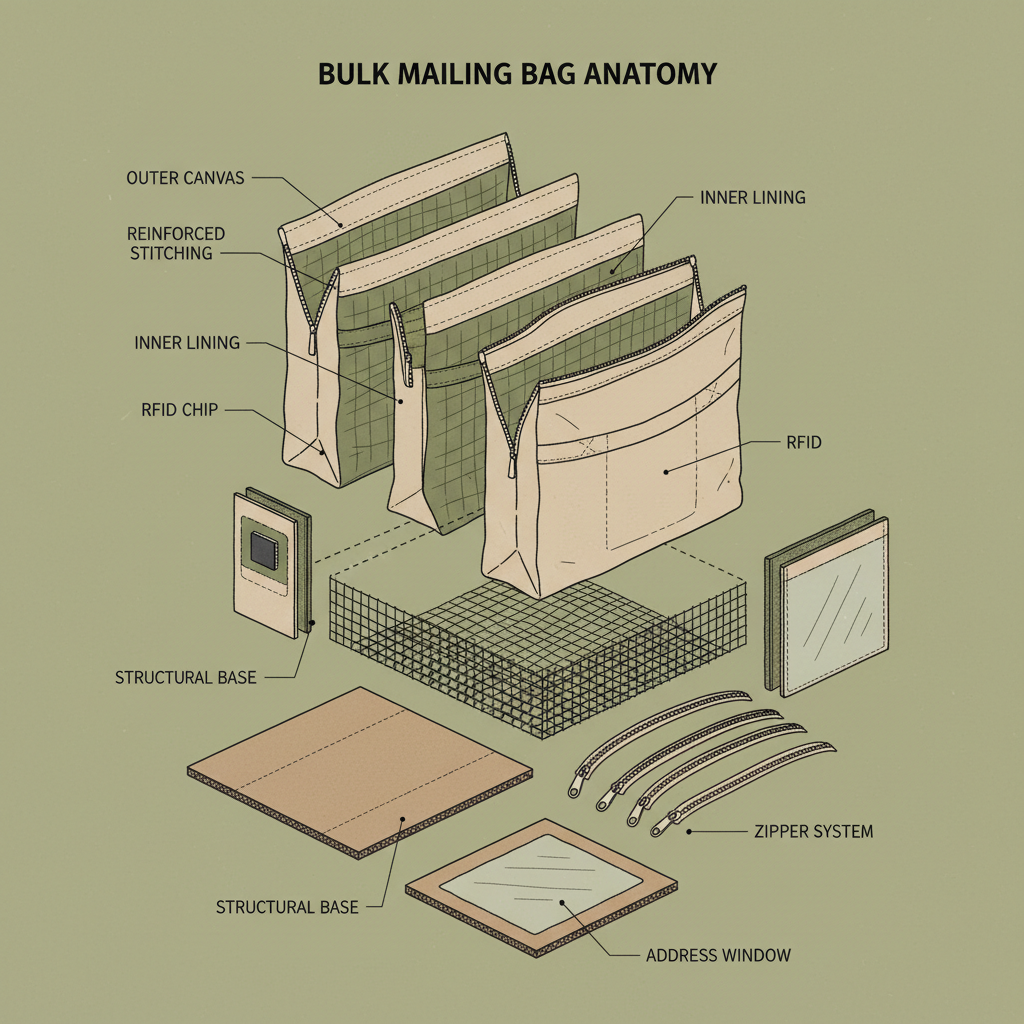
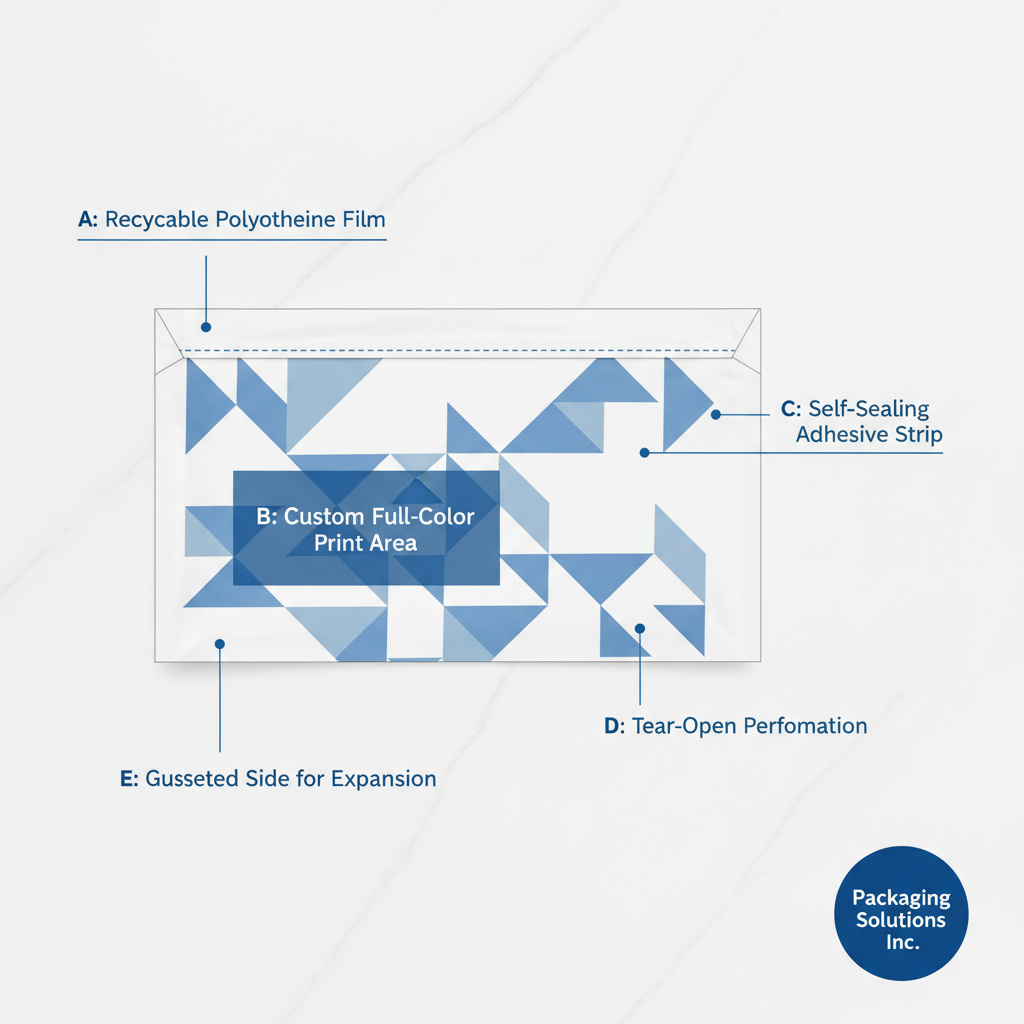
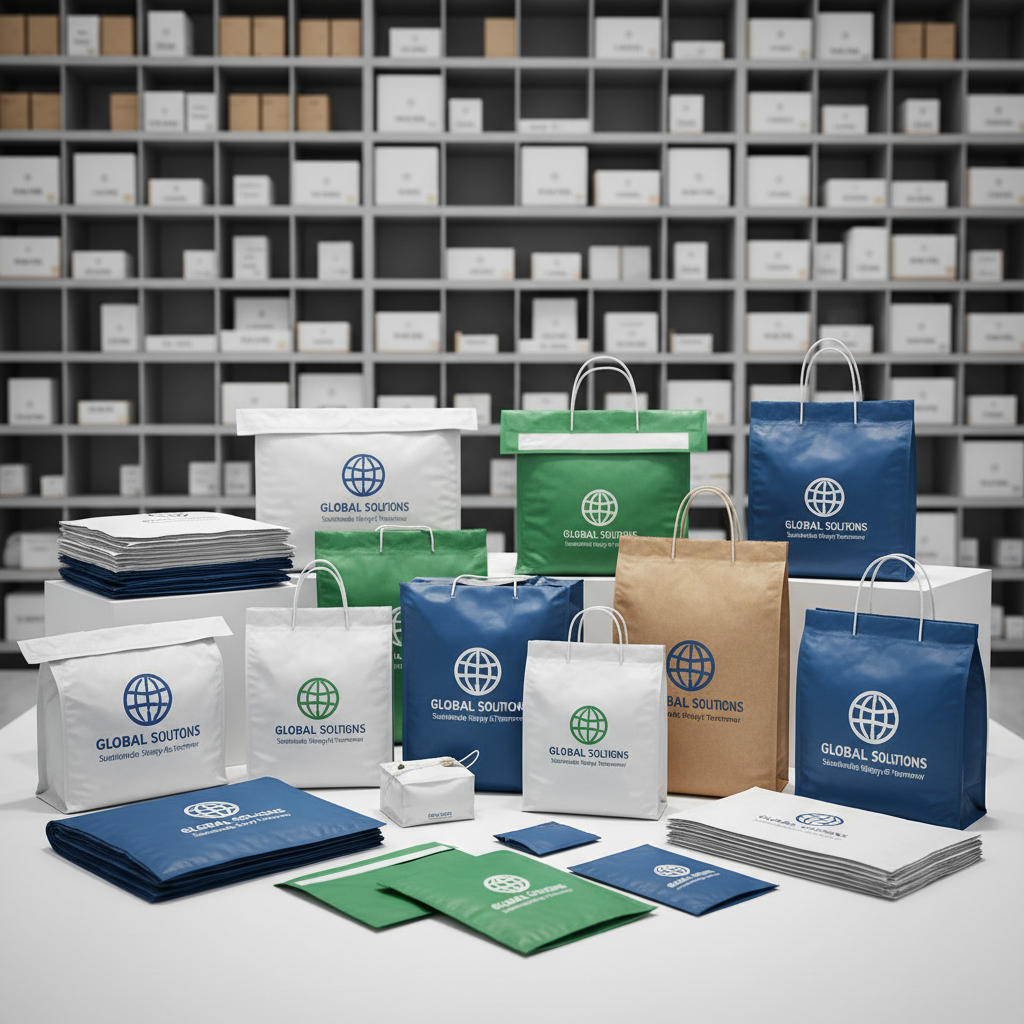
We can customize everything – size, shape, color, printing, even the type of closure. We’ve done bags with reinforced corners, integrated handles, and custom-printed logos. The possibilities are endless.
Honestly, the more specific the requirement, the better. It shows they’ve really thought about how these bags are going to be used in their specific application.
Key Considerations for Bulk Mailing Bag Selection
| Material Type |
Load Capacity (kg) |
Durability Rating (1-5) |
Cost per Unit (USD) |
| Woven Polypropylene |
50-100 |
4 |
0.20-0.50 |
| Reinforced Polyethylene |
30-60 |
3.5 |
0.40-0.80 |
| Bio-based Plastic (PLA) |
20-40 |
2.5 |
0.70-1.20 |
| Heavy-Duty Woven PP |
100-150 |
4.5 |
0.60-1.00 |
| Laminated Polypropylene |
40-80 |
3 |
0.30-0.60 |
| Recycled Polyethylene |
30-50 |
3 |
0.45-0.75 |
FAQS
For outdoor storage, you really want something durable and water-resistant. Woven polypropylene with a laminated coating is usually your best bet. It can handle sun exposure, rain, and general wear and tear without falling apart. I've seen guys leave these bags out for months, even years, and they're still in pretty good shape. Just avoid prolonged UV exposure if you can.
This is a common one. The key is to factor in not just the size of your product, but also any cushioning or packaging materials you're using. You want enough room to protect the product during transit, but not so much that it's rattling around. I recommend ordering a few different sizes and testing them out with your actual product. Trust me, it's worth the investment.
That's a good question. Honestly, the strength of bio-based plastics can vary a lot depending on the specific material and manufacturing process. Generally, they're not as strong as traditional polypropylene or polyethylene. They’re improving, but you'll likely need to use a thicker gauge or reinforce the bag in some way if you're carrying heavy items. Think lighter products or combined with cardboard support.
Absolutely! We offer a wide range of customization options, including custom printing. You can add your logo, product information, or any other design you like. Just provide us with your artwork, and we’ll take care of the rest. Keep in mind that printing costs will vary depending on the complexity of the design and the number of colors. And make sure the resolution is high enough, nobody wants a blurry logo.
There are a few different ways to seal bulk mailing bags, depending on your needs. You can use tape, heat sealing, zip ties, or drawstrings. Heat sealing is the most secure option, but it requires special equipment. Zip ties are convenient and reusable, but they're not as tamper-evident. Drawstrings are good for lighter items, but they can come undone if the bag is overfilled.
For long-distance shipping, durability is key. Choose a bag made from a strong material, like woven polypropylene or reinforced polyethylene. Make sure the seams are reinforced, and consider adding extra cushioning or padding inside the bag. Also, properly palletize and secure the bags during shipping to prevent damage.
Conclusion
So, yeah, bulk mailing bags. Sounds simple, right? But it's a surprisingly complex topic. From material science to real-world testing, there's a lot to consider. Ultimately, you want a bag that’s durable, cost-effective, and meets your specific needs.
Look, whether it's a fancy bio-plastic or a basic woven poly bag, at the end of the day, the worker tightening the strap on the pallet will know whether it's going to hold up. That's the true test. And if they're happy, then we've done our job. Check out our full range of solutions at bulk mailing bags.



 English
  Arabic
  China
China  French
  Korean
  Russian
  Spanish