Look, I've been on construction sites for fifteen years, getting dust in my teeth and smelling concrete every day. Cheap poly mailers in bulk... honestly, it sounds simple, right? But it's become a whole thing lately. Everyone's talking about e-commerce booming, supply chains tightening, needing to ship stuff faster and cheaper. That’s where these come in. It's not glamorous, but it's essential.
You wouldn’t believe the variations I've seen. To be honest, I've seen some real disasters. Companies trying to save a few cents on the plastic, and then the mailers split open in transit. Returns go through the roof, customers are unhappy... it’s a mess. It seems straightforward, but there’s a surprising amount that can go wrong. I was at a packaging factory in Dongguan last month and they were showing me these "biodegradable" mailers, smelled faintly of… well, compost. Looked good in the brochure, but I’m skeptical.
It all comes down to getting the right balance between cost, durability, and speed. And, let's face it, sometimes just making sure it doesn't look too cheap. People judge a book by its cover, and a package by its mailer.
The Current Landscape of cheap poly mailers in bulk
Honestly, the biggest trend I’m seeing is the demand for higher volume at lower cost. It's always been the case, but the pressure is intense now. Companies are needing to ship more, and margins are getting squeezed. That means a massive push for cheap poly mailers in bulk. I’ve noticed a lot of suppliers popping up, especially overseas. Some are good, some… not so much. You have to really vet them, check their quality control. It's a race to the bottom sometimes, and quality suffers.
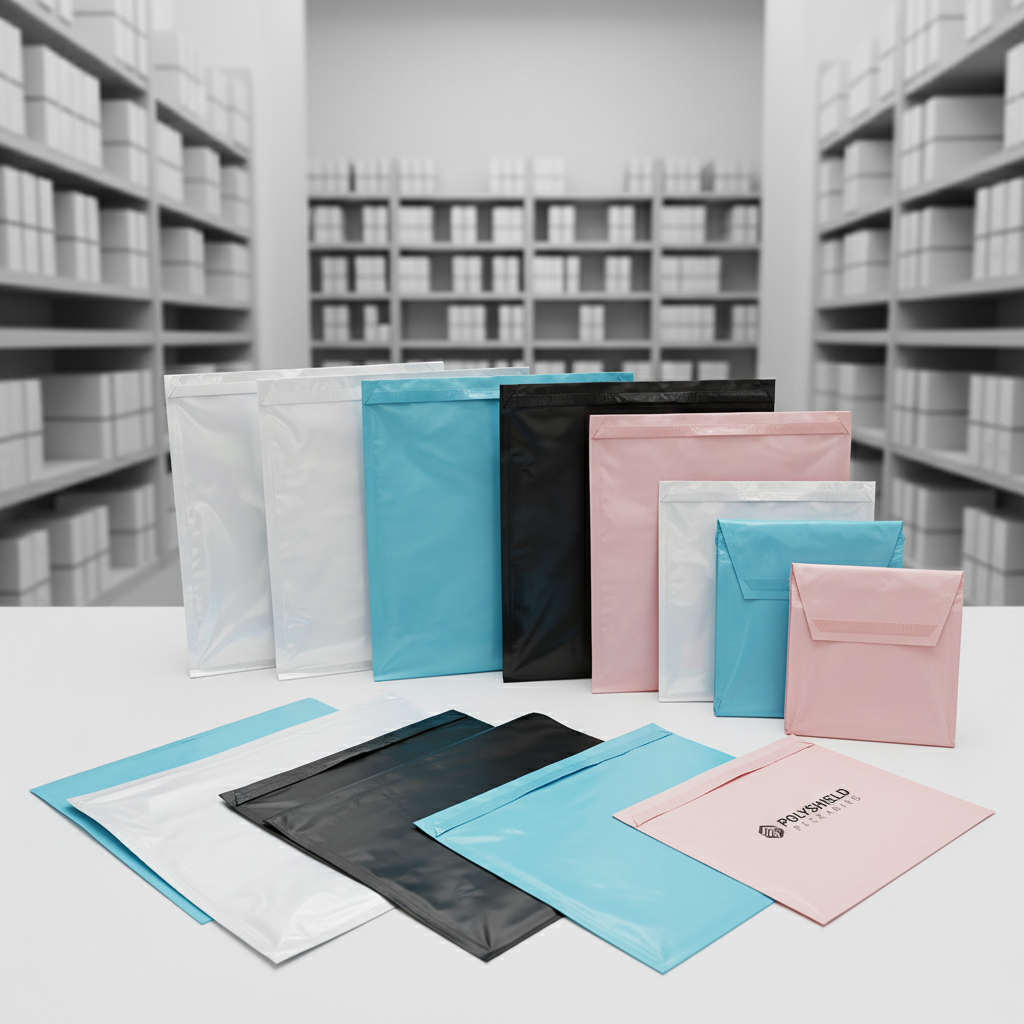
I've also seen a surge in requests for different sizes and colors. It's not just about getting it there safely anymore; it's about branding and the unboxing experience. Which, strangely, feels a little… extra for something that’s going to get thrown away.
Common Design Pitfalls in cheap poly mailers in bulk
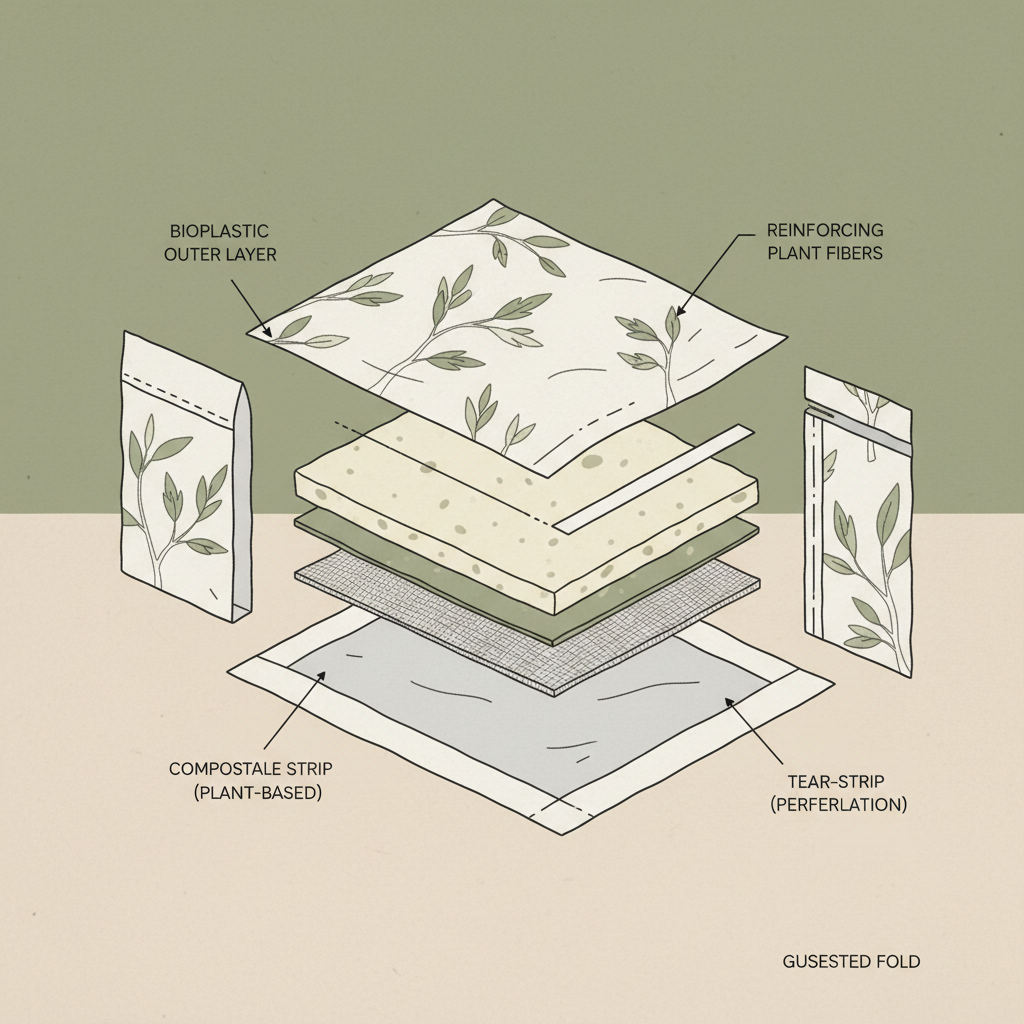
Have you noticed how many mailers split along the seams? It’s usually because the plastic is too thin, or the adhesive isn’t strong enough. People try to save a few pennies on the glue, and it comes back to bite them. Another thing is the gusset – the expandable side. If it’s not reinforced properly, it’ll tear when you stuff it with something bulky. I encountered this at a textile factory last time; they were shipping quilts, and the mailers were ripping constantly. They ended up having to double-bag everything, which completely defeated the purpose of saving money in the first place.
And don't even get me started on the self-adhesive strip. If it’s not sticky enough, or if the protective liner is hard to remove, it's a nightmare. I've seen guys spend five minutes wrestling with a single mailer, just trying to get it sealed. Time is money, you know?
The biggest mistake? Ignoring the weight. A lot of suppliers will quote you a price based on a certain weight limit. If you go over that, the mailer can burst. It seems obvious, but you’d be surprised how often it happens.
Material Science: More Than Just Plastic
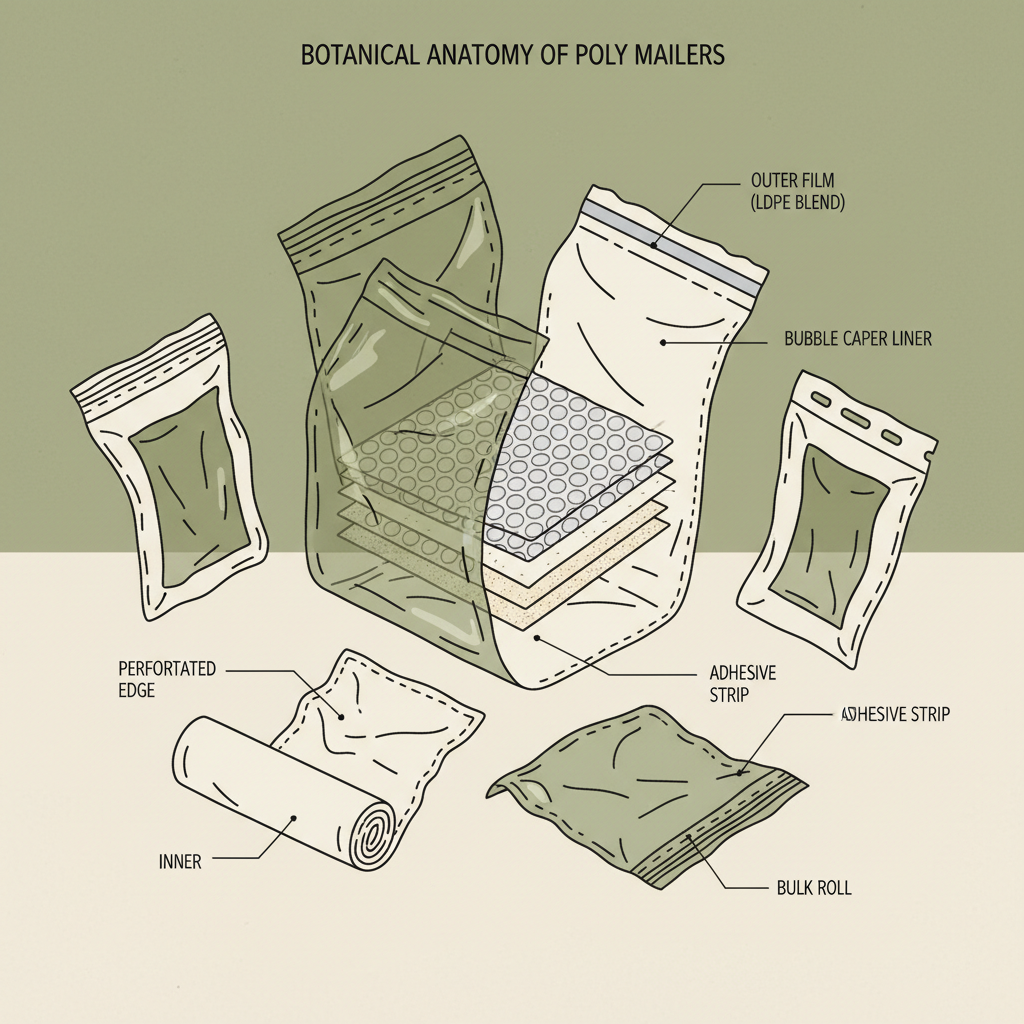
Most cheap poly mailers in bulk are made from polyethylene – LDPE, HDPE, sometimes LLDPE. LDPE is the cheapest, but it’s also the weakest. HDPE is tougher, but it's more rigid. LLDPE is a good compromise. The feel is different, too. LDPE is soft and kind of… floppy. HDPE feels more like a grocery bag. LLDPE is somewhere in between. You can tell a lot just by handling it.
There's a lot of talk about recycled plastics these days, which is good, but the quality can be inconsistent. Sometimes it smells a bit off – a sort of chemical odor. Not pleasant. I've also seen mailers made from compostable materials, but they're significantly more expensive and they don't always hold up as well. They’re good for lightweight items, but anything heavy-duty and you’re asking for trouble.
The thickness, measured in mils, is crucial. Anything less than 1.5 mil is usually too flimsy. 2.0 mil is a good all-around choice. And you’ve got to think about the co-extrusion process – layering different types of plastic together to get the right combination of strength, flexibility, and cost. It's a science, really.
Real-World Testing and Performance of cheap poly mailers in bulk
Forget the lab tests. The real test is throwing it in the back of a delivery truck and seeing what happens. Seriously. I've seen suppliers bragging about their tear resistance, but then their mailers completely fall apart when they get tossed around with other packages. You need to simulate real-world conditions – drops, bumps, punctures. We used to just drop boxes from a loading dock. Not very scientific, but it got the point across.
We do a lot of “stress testing” on site, which basically means stuffing the mailers with whatever our clients ship – books, clothes, electronics. And then we try to rip them. Sounds barbaric, but it's effective. We also check for leaks, especially if they're shipping liquids or powders. It's all about identifying weaknesses before they become problems.
cheap poly mailers in bulk Performance Metrics
User Behavior and Unexpected Applications
You wouldn’t believe what people try to ship in these things. I once saw a guy trying to send a live lobster. A live lobster. Thankfully, the shipping company stopped him. But it highlights a point: people will use these for all sorts of things you don't anticipate. We've had customers using them to ship artwork, oddly shaped machine parts, even… well, let’s just say “sensitive” items.
I've noticed a trend of people using them to store things, too. Like, they’ll get a package, and then they’ll reuse the mailer to keep things organized in their garage or attic. It's not what they're designed for, but it shows they're reasonably durable.
Advantages and Drawbacks: A Pragmatic View
The biggest advantage, obviously, is the cost. They're cheap. Really cheap. And they’re lightweight, which saves on shipping costs. They're also waterproof, which is a big plus. But, they're not exactly environmentally friendly. They end up in landfills, unless people actually reuse them, which, let’s be honest, doesn’t happen very often.
They also lack the structural rigidity of a cardboard box. So, if you're shipping something fragile, you're going to need extra padding. And they’re not very presentable. They're functional, but they don’t exactly scream “premium product.” Anyway, I think it’s a trade-off. You get affordability and convenience, but you sacrifice sustainability and aesthetics.
Customization and Specialized Applications
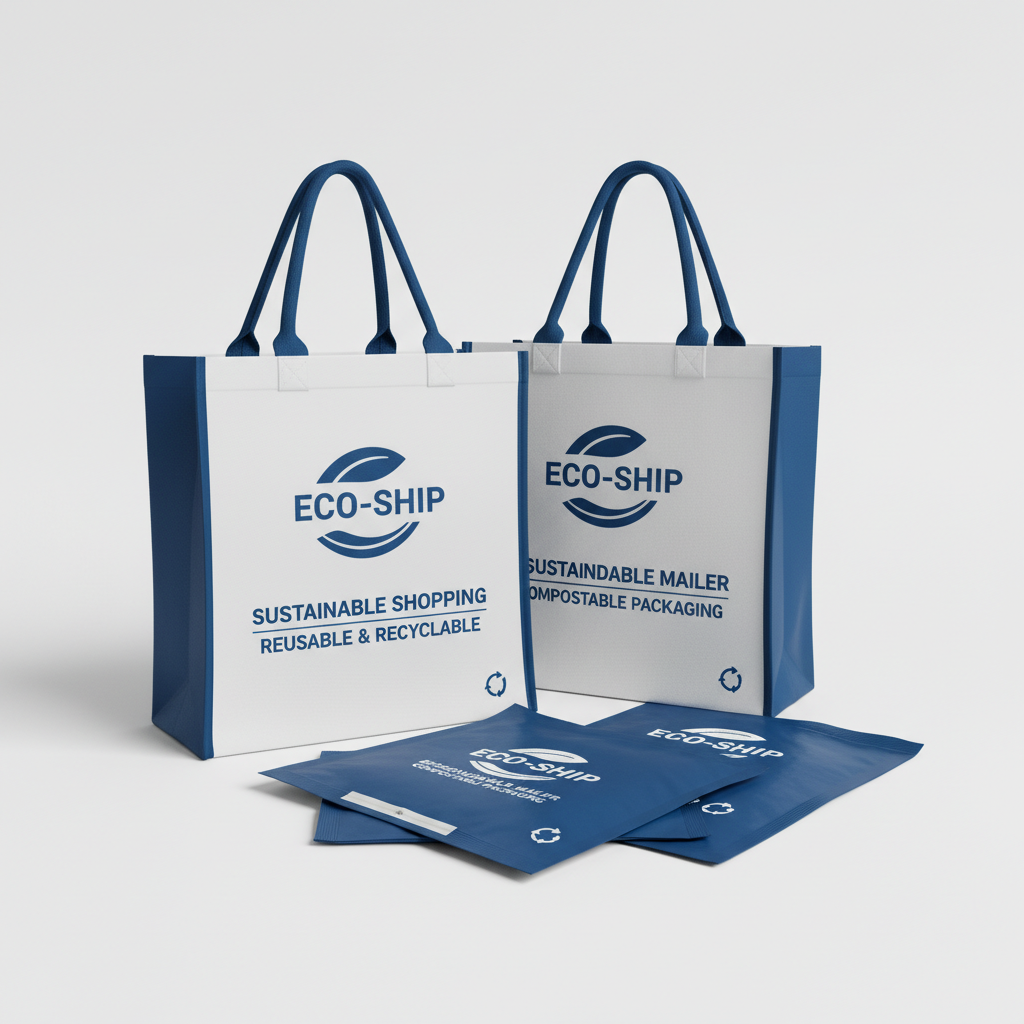
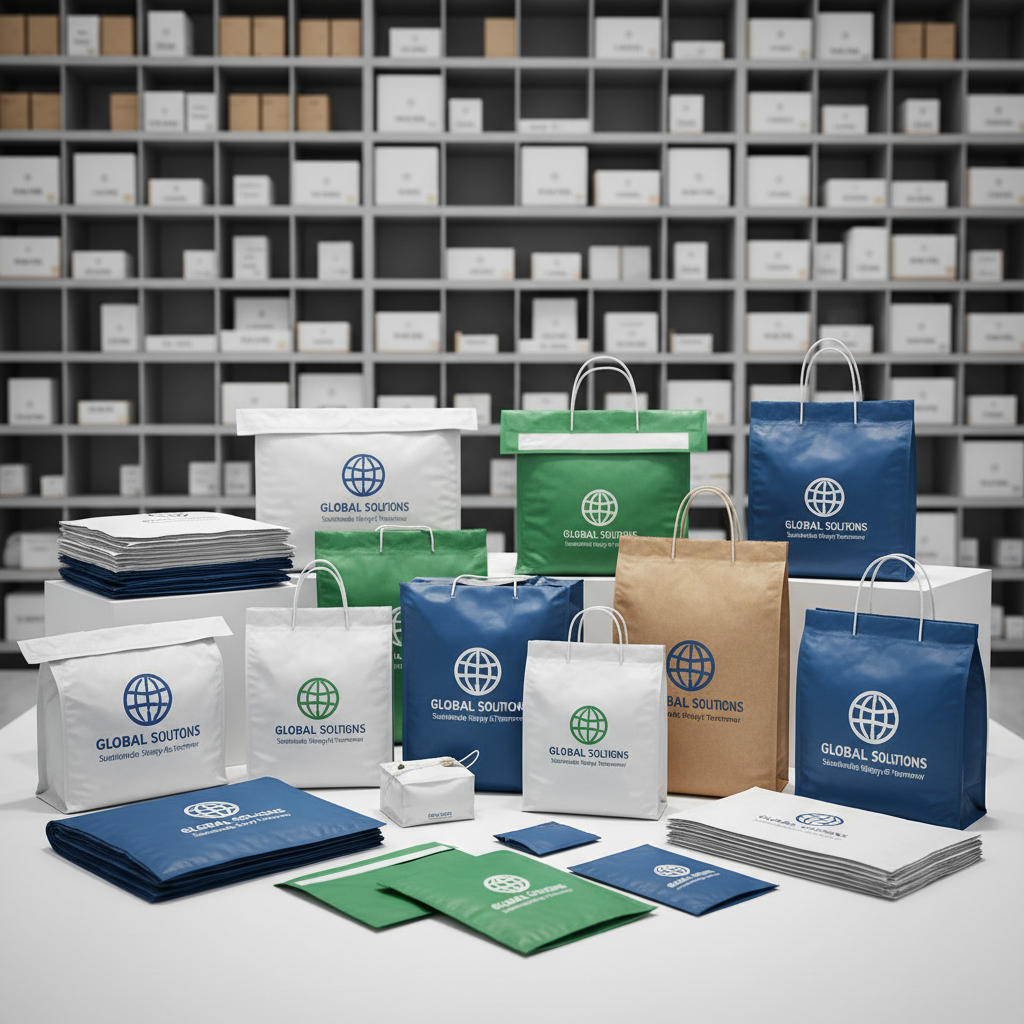
You can get these things customized with your logo, your branding, even QR codes. It’s a surprisingly popular option. I’ve seen customers add a little thank-you message inside the mailer, just to add a personal touch. I’ve seen other applications like tamper-evident seals added for security, especially for sensitive shipments. Last month, that small boss in Shenzhen who makes smart home devices insisted on changing the interface to , and the result was a complete mess - all the existing machinery had to be retooled, and they ended up delaying production by two weeks. Small changes can have big consequences.
One interesting thing I’ve seen is specialized mailers designed for specific industries. Like, mailers with bubble wrap built in for shipping electronics. Or mailers with a thermal lining for shipping temperature-sensitive items. It's all about finding the right solution for the right application.
Summary of Key Customization Factors for cheap poly mailers in bulk
| Customization Type |
Cost Impact (1-5) |
Lead Time (Days) |
Typical Applications |
| Logo Printing |
2 |
7-10 |
Brand Recognition, Marketing |
| Color Customization |
3 |
10-14 |
Product Categorization, Seasonal Promotions |
| Size Variations |
4 |
14-21 |
Accommodating Specific Product Dimensions |
| Tamper-Evident Seals |
3 |
7-10 |
High-Value Goods, Security Sensitive Products |
| Bubble Wrap Integration |
5 |
14-21 |
Fragile Items, Electronics |
| QR Code Printing |
2 |
7-10 |
Tracking, Marketing Campaigns |
FAQS
Generally, most suppliers require a minimum order of around 1000-5000 pieces for custom printing. This is because the setup costs for the printing process are relatively high. Smaller quantities can be done, but the per-unit cost increases significantly. It varies a lot, though. You really have to shop around and get quotes from multiple suppliers. I’ve seen some that will do as little as 500, but they’ll charge you through the nose.
They’re water-resistant, but not completely waterproof. They can withstand some rain and moisture, but they’re not designed to be submerged in water. The seams are the weak point. If you need a completely waterproof solution, you’re better off with a sealed bag or a waterproof container. I learned that the hard way when a shipment of electronics got soaked during a flash flood. Not fun.
It depends on the weight and fragility of your products. For lightweight items like clothing or paper goods, 1.5 mil is usually sufficient. For heavier items or fragile products, you’ll want to go with 2.0 mil or higher. If you're shipping sharp objects, you absolutely need a thicker mil to prevent punctures. Don't skimp on this. It’s better to spend a little more on a thicker mailer than to deal with damaged goods and unhappy customers.
That's a tough one. Most traditional poly mailers are made from plastic and aren't readily recyclable. There are compostable options available, but they're more expensive and not always as durable. The best thing you can do is encourage customers to reuse the mailers or explore recycling programs in their area. Unfortunately, the vast majority end up in landfills. It's not ideal, but it’s a reality.
Yes, you can often customize the closure. The standard is a self-adhesive strip, but you can also get mailers with zip closures or tuck flaps. Zip closures are good for items that might need to be returned, as they're reusable. Tuck flaps are a more secure option. The cost will go up with more elaborate closures, naturally.
The most common issue is the adhesive not being strong enough, especially in cold weather. The liner can also be difficult to remove, leading to frustration. It’s important to test the adhesive strip thoroughly before committing to a large order. Sometimes you just get a bad batch. I always tell clients to order a sample pack and put it through its paces.
Conclusion
So, there you have it. Cheap poly mailers in bulk aren’t glamorous, but they’re a critical part of the modern supply chain. Getting the right balance between cost, durability, and functionality is key. It's about understanding the materials, the manufacturing process, and the real-world conditions they’ll be subjected to. It's not just about finding the cheapest option; it's about finding the best value for your specific needs.
Ultimately, whether this thing works or not, the worker will know the moment he tightens the screw. Or, in this case, when he peels back the adhesive strip and trusts the package will arrive safely. And that, my friends, is what really matters. If you are looking for a reliable supplier, check out cheap poly mailers in bulk.


 English
  Arabic
  China
China  French
  Korean
  Russian
  Spanish