Look, I've been running around construction sites for fifteen years, and I’ll tell you, things are changing fast. It used to be, you wanted something shipped, you grabbed a cardboard box. Now? Everyone’s talking about bulk poly mailers. Seems simple, right? It’s not. To be honest, the demand’s exploded with this whole e-commerce boom. Everyone ordering everything online.
But what people don't realize is there's a lot more to it than just a plastic bag. I’ve seen so many companies try to cheap out, and it ends up costing them way more in damaged goods. And damaged goods…well, that's a headache nobody needs. I swear, the amount of time I spend on the phone with logistics guys…
It's funny, you think with everything getting more technical, things would be easier. Nope. More complicated. More potential for things to go wrong. Anyway, I think the biggest shift I'm seeing is the push for more sustainable options. Folks are starting to ask questions about what these things are made of, and where they end up.
The Rising Tide of Poly Mailer Demand
Seriously, the volume of stuff moving around these days is insane. It’s not just clothes and books anymore. I saw a pallet of live crickets shipped in poly mailers last week. Crickets! Who knew? And that’s where the demand for bulk poly mailers comes in. Companies need a cost-effective way to get things from point A to point B, and often, a poly mailer is the best solution. It’s lightweight, it’s cheap, and it keeps the contents relatively protected.
But “relatively” is the key word there. It’s easy to think, “Oh, it’s just a bag.” But the forces these things endure... the sorting machines, the conveyor belts, the sheer weight of everything stacked on top… it's brutal.
Design Pitfalls: Don’t Get Caught Out
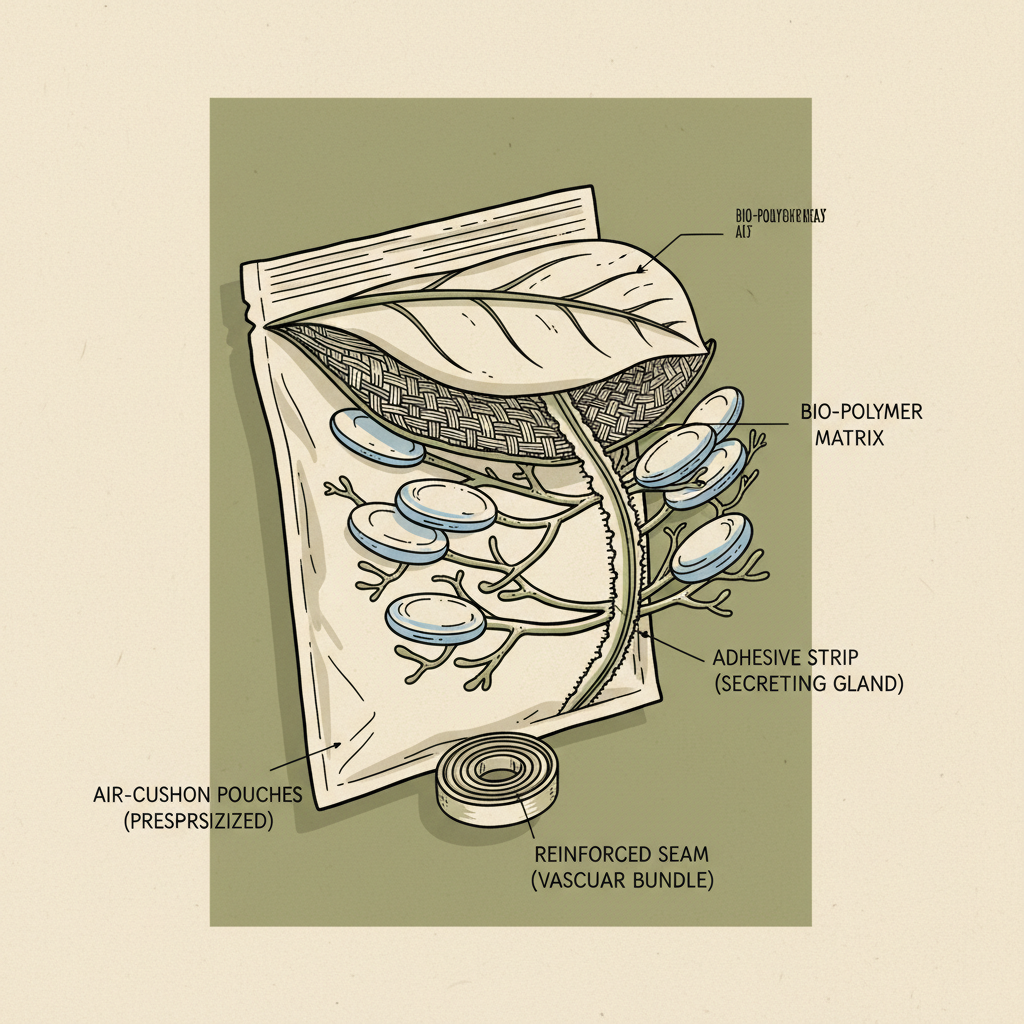
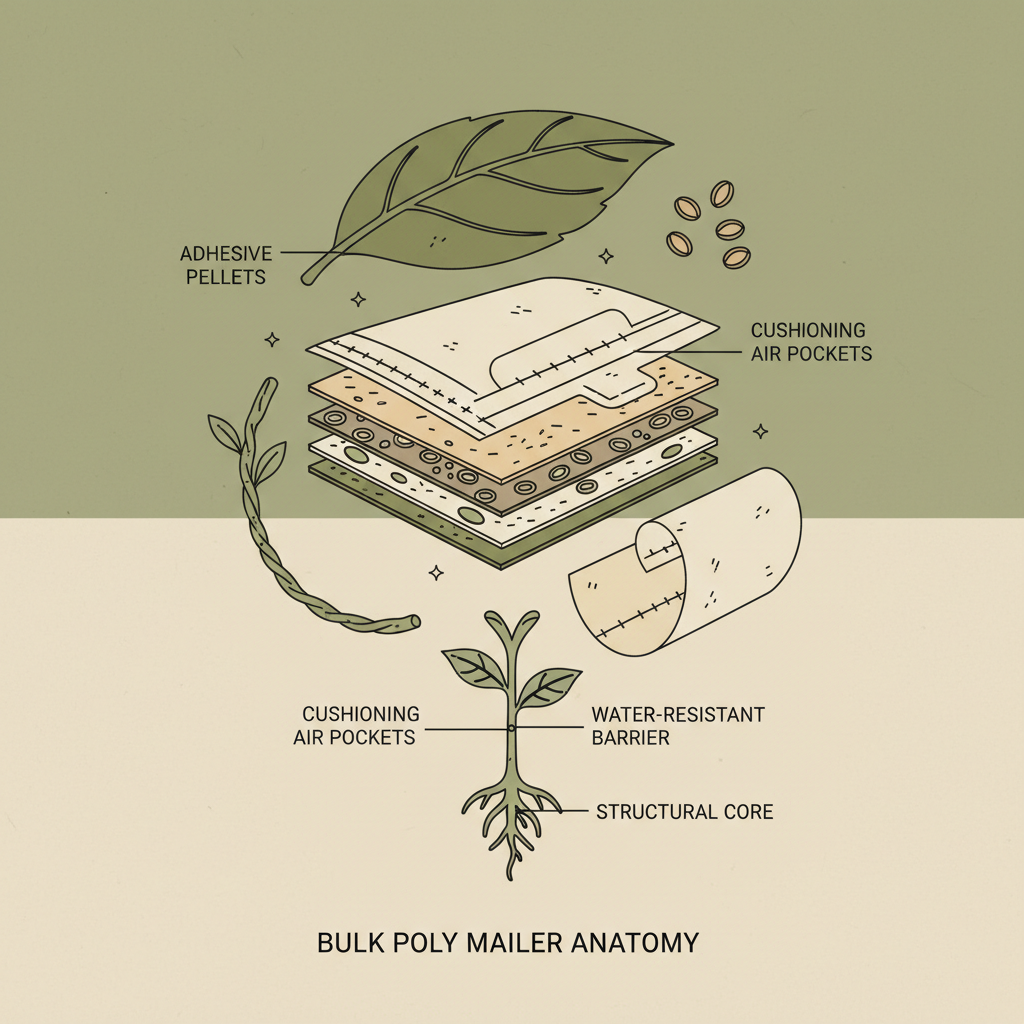
Have you noticed how many poly mailers split open at the seams? It’s a common problem, and it almost always comes down to a design flaw. A lot of manufacturers skimp on the heat seal, or use a low-quality adhesive. Or, they underestimate the tensile strength needed for heavier items. I encountered this at a packaging factory last time – they were using a thinner film to save money, and the result was a lot of returns. A lot.
The gusset is another area where things can go wrong. If it’s not properly reinforced, it’ll tear. And don’t even get me started on the self-adhesive strip. If it doesn't stick, well, you’ve got a problem. Strangely enough, it’s usually the little things that cause the biggest headaches.
And the size! People underestimate how much extra room they need. Stuff shifting around inside is a recipe for disaster. It's a balance between minimizing material and maximizing protection.
The Material World: What Are We Actually Dealing With?
Most of the bulk poly mailers you see are made from polyethylene – either LDPE (Low-Density Polyethylene) or HDPE (High-Density Polyethylene). LDPE is softer and more flexible, feels a bit… waxy, almost. You can kind of smell the plastic. HDPE is tougher, more rigid, and has a slightly different scent. It’s also a bit harder to work with.
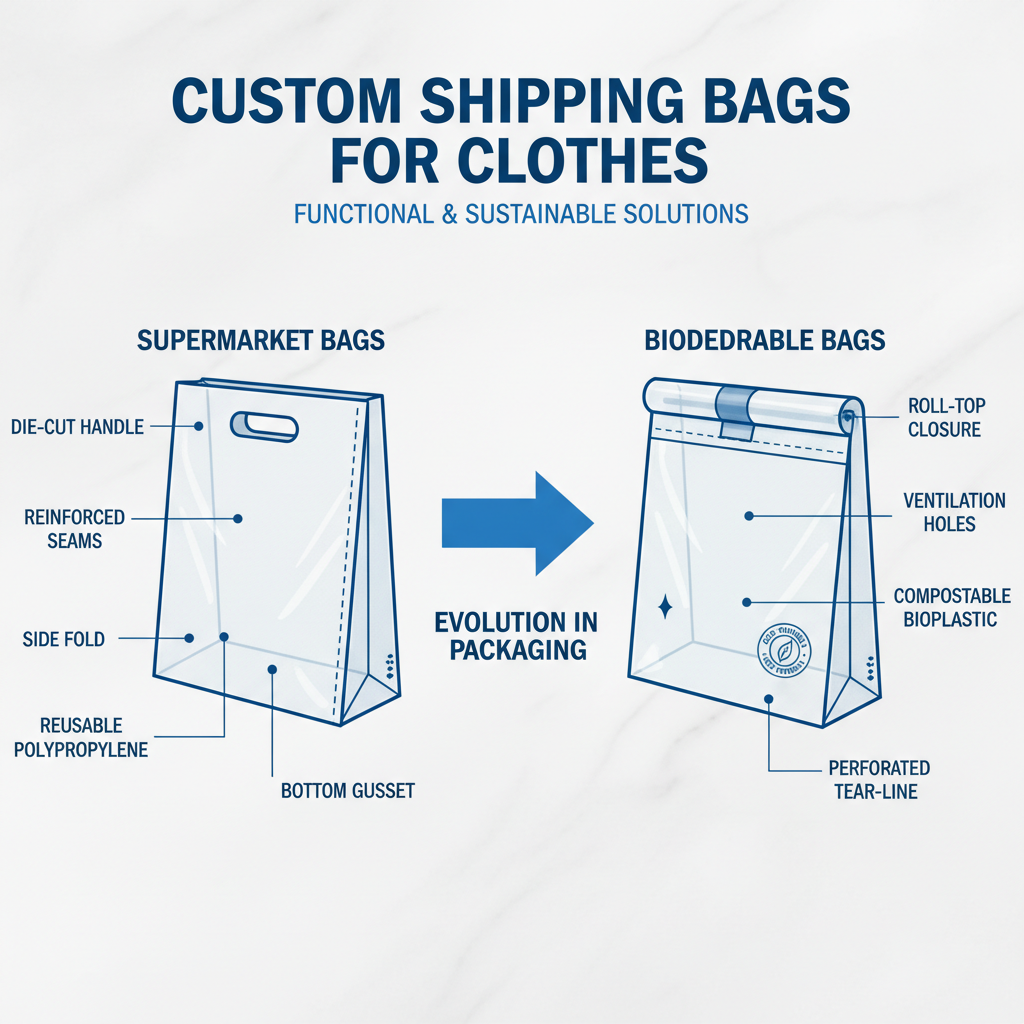
I've also been seeing more and more bio-based poly mailers popping up. They’re made from materials like cornstarch or sugarcane. They feel different. A bit more… papery, almost. They’re a good step in the right direction, but honestly, they’re still more expensive, and they don’t always perform as well as traditional polyethylene. Still, it's progress.
The important thing is how it feels in your hands. A cheap poly mailer will feel flimsy and tear easily. A good one will have some heft to it, and it’ll resist tearing. It sounds silly, but you get a feel for it after a while. And remember, different thicknesses – measured in mils – matter a lot.
Real-World Testing: Beyond the Lab
Look, lab tests are fine. Burst strength, tensile strength, all that jazz. But they don’t tell the whole story. I want to see how these things hold up when they’re thrown around by actual human beings. That’s why I always recommend stress-testing them with a mock shipping process.
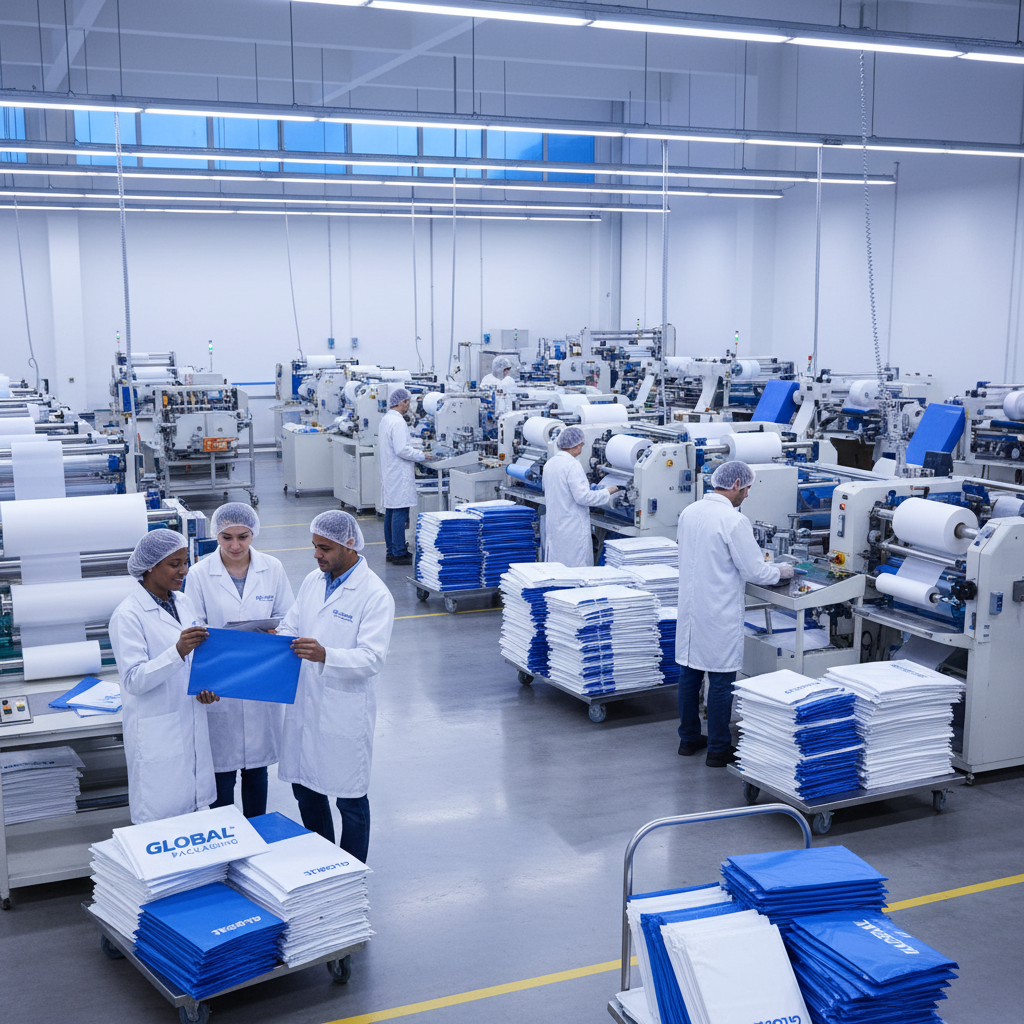
We fill them with representative items, toss them onto a conveyor belt, let them get stacked, dropped, kicked (okay, maybe not kicked, but you get the idea). We simulate the entire journey from the warehouse to the customer’s doorstep. That’s when you really see what works and what doesn’t.
Poly Mailer Performance Testing Results
How They’re Really Used
Here’s a surprise: a lot of people are using these things for more than just shipping. I’ve seen folks using them to store seasonal clothing, to protect artwork during transport, even as temporary liners for leaky containers. It’s versatile stuff.
But what’s really interesting is how they’re being used. Some companies are adding custom printing, not just with their logo, but with instructions for the customer. “Peel here to open,” “Fragile, handle with care,” that sort of thing. It's those little details that make a difference.
The Good, The Bad, and the Customizable
Okay, let's be real. Bulk poly mailers are cheap, lightweight, and convenient. That's the good. The bad? They're not the most environmentally friendly option, and they offer limited protection for fragile items. But here’s where customization comes in.
Last month, that small boss in Shenzhen who makes smart home devices insisted on changing the interface to , and the result was a complete disaster for his logistics guys. They hadn’t accounted for the different size and weight, and everything was getting damaged. Anyway, he called me up, panicked, and we ended up designing a custom poly mailer with extra padding and a reinforced bottom. Saved his bacon. It cost him a bit more, but it was worth it.
You can get them in different colors, different sizes, with different closures, with custom printing...the options are pretty much endless.
A Shenzhen Story and Material Performance
We talked about testing, right? So, I remember this one time, we were working with a client who needed to ship circuit boards. Super fragile. We went through, like, five different types of poly mailers before we found one that could handle the abuse.
The key was the thickness, the quality of the adhesive, and the addition of a bubble-lined interior. It wasn't cheap, but it worked. We ended up doing a drop test from three feet onto concrete, and the boards survived. That’s when you know you’ve got a good product.
The bottom line is: the material matters. And it's not just about the spec sheet; it's about how it feels in your hand, how it performs in the real world.
Material Performance Comparison for Poly Mailers
| Material Type |
Tensile Strength (PSI) |
Puncture Resistance (lbs) |
Environmental Impact (1-5, 1=Best) |
| LDPE (Low-Density Polyethylene) |
1800 |
45 |
4 |
| HDPE (High-Density Polyethylene) |
2500 |
60 |
4 |
| Bio-Based PLA |
1500 |
30 |
2 |
| Recycled LDPE |
1600 |
40 |
3 |
| Co-extruded PE/Bio-PE |
2200 |
50 |
3 |
| Reinforced Polypropylene |
3000 |
75 |
5 |
FAQS
LDPE is more flexible and feels waxier, good for softer items. HDPE is tougher, more rigid, and better for heavier, less fragile goods. I usually recommend HDPE if you're shipping anything with sharp edges. Honestly, the difference in price isn't huge, so it's often worth going with the stronger option.
That’s a complicated question. They're made from renewable resources, which is good. But they don’t always compost easily, and the production process can still have a significant environmental impact. They're a step in the right direction, but don't expect miracles. They’re also generally more expensive.
It depends on what you’re shipping. For lightweight items like clothing, a 1.0 mil poly mailer might be sufficient. For heavier items, or anything fragile, you’ll want to go with at least a 2.0 mil. Don’t skimp on thickness; it can save you a lot of headaches down the road.
Absolutely. Most manufacturers offer custom sizing options. Just be aware that there's usually a minimum order quantity, and it'll cost you more. But if you need a specific size, it's worth it. I’ve done it for everything from tiny jewelry boxes to oversized posters.
A gusset is basically an extra flap of material on the sides or bottom of the poly mailer. It allows you to ship thicker items. If you're shipping books, clothes, or anything that takes up a lot of space, you'll want a gusseted poly mailer. Without it, you'll be fighting to get the thing sealed.
Make sure the surface is clean and dry. Dust and moisture are the enemy. Also, press firmly along the entire length of the strip. And if you're shipping something heavy, consider adding a piece of packing tape for extra security. It never hurts to be cautious.
Conclusion
So, yeah, bulk poly mailers. They seem simple, but there's a lot going on under the surface. From material science to design considerations to real-world testing, it's a surprisingly complex world. The key takeaway is: don't skimp on quality, and don't be afraid to customize.
Ultimately, whether this thing works or not, the worker will know the moment he tightens the screw. And trust me, they'll let you know if it's not right. It's a tough business, but that's what keeps it interesting.



 English
  Arabic
  China
China  French
  Korean
  Russian
  Spanish